Severe Monsoon Deluge Triggers Emergency Response Across Gujarat
The state of Gujarat is currently grappling with a severe hydrological crisis as persistent, heavy rainfall continues to batter multiple districts, leading to widespread flooding and the submergence of critical infrastructure. While residents in South Gujarat have experienced a brief respite from the relentless downpours, the India Meteorological Department (IMD) has shifted its focus to the northern and western regions of the state. A high-level red alert has been issued for six districts, signaling the potential for extreme weather events that could further exacerbate the ongoing flood conditions.
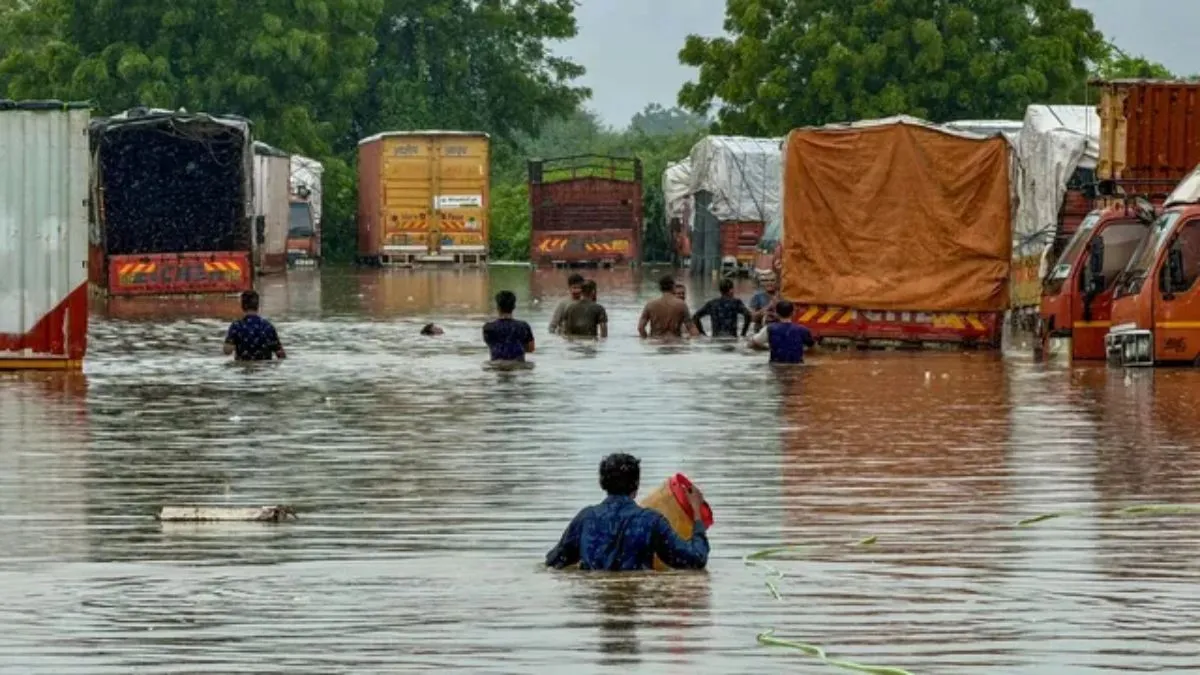
In low-lying areas, including Valsad and Dholka, the situation has become increasingly precarious. Local reports indicate that rising water levels have submerged vehicles and inundated residential and agricultural zones, prompting immediate intervention from disaster management teams. Emergency rescue operations are currently underway to relocate residents from high-risk flood plains, as the state government coordinates with local authorities to mitigate the impact of the rising water levels.
Infrastructure Strain and Reservoir Management
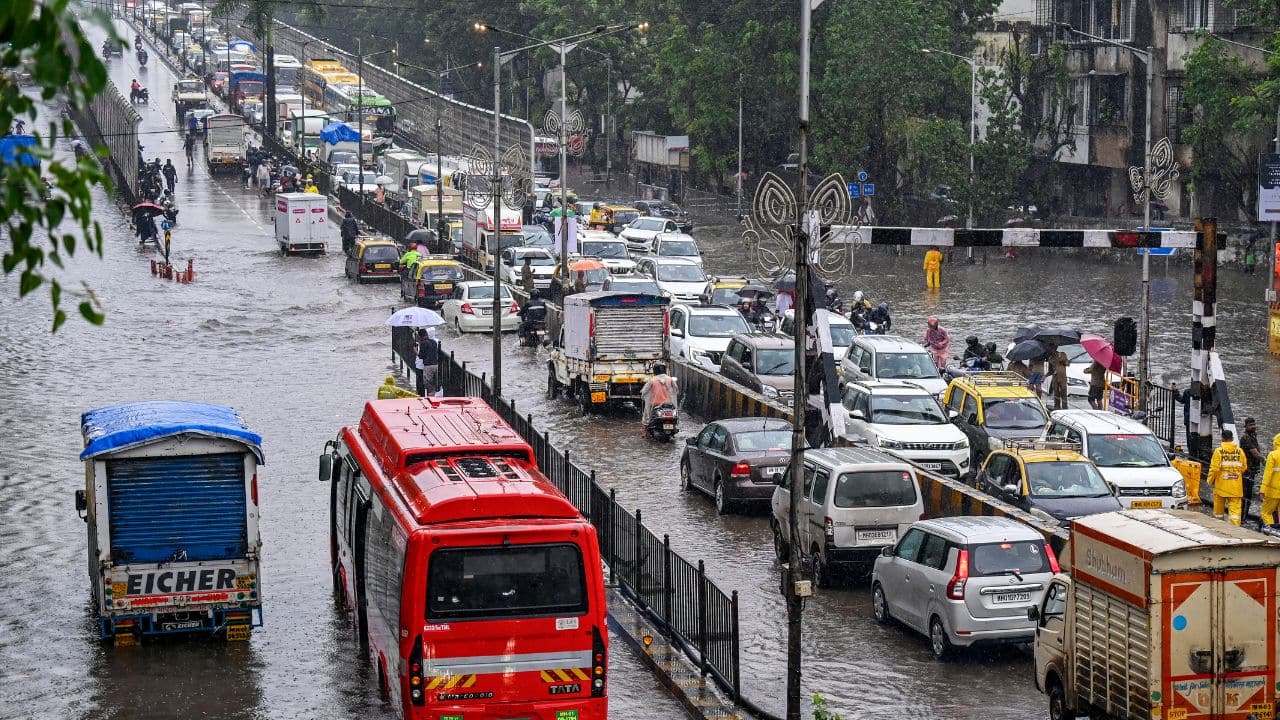
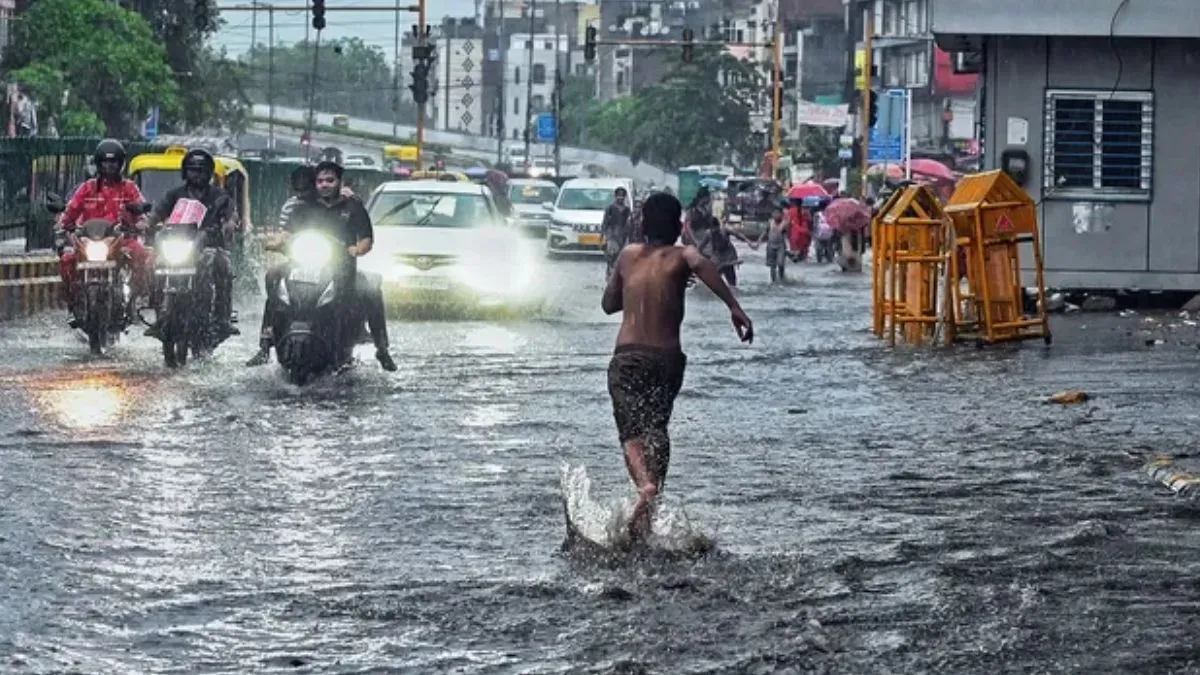
The current weather pattern is characterized by intense, concentrated bursts of rainfall that have overwhelmed existing drainage systems and rural irrigation networks. In urban centers like Dholka, the rapid accumulation of water has turned streets into temporary channels, severely disrupting logistics and the transport of essential goods. The sudden influx of runoff has also placed significant pressure on the state’s hydraulic infrastructure, forcing authorities to closely monitor dam capacities across the region.
As the monsoon front shifts toward North Gujarat and the Saurashtra peninsula, the focus is turning toward the management of major reservoirs. With many dams reaching near-maximum capacity, engineers are tasked with the delicate balance of controlled water releases to prevent structural failure while minimizing downstream flooding. This management strategy is critical, as it directly influences the safety of downstream agricultural lands and rural settlements that are already saturated from previous precipitation cycles.
The Agronomic Outlook Amidst Extreme Weather
The agricultural landscape of Gujarat, a major contributor to the nation’s oilseed and cotton output, faces a complex reality due to these climatic extremes. While replenishment of groundwater levels and reservoir storage is generally favorable for long-term agricultural sustainability, the immediate impact of such intense flooding is detrimental to crop health. Excessive soil moisture can lead to root rot, nutrient leaching, and the physical destruction of standing crops, particularly in areas where water stagnation persists for more than 48 hours.
Furthermore, the logistical disruptions caused by submerged roads and damaged rural connectivity are hindering the movement of inputs and the potential for early-season marketing. Farmers in the affected districts are facing the dual challenge of protecting their livestock and securing stored fodder, which is vulnerable to contamination and spoilage under flood conditions.
What This Means for Farmers
For the farming community, the current situation demands immediate vigilance and proactive risk management. The primary concern in the coming 24 to 48 hours is the preservation of field drainage and the safety of livestock. Farmers in the red-alert zones are advised to prioritize the following actions:
- Ensure Field Drainage: Where possible, create or clear drainage channels to prevent water stagnation in fields, which is the leading cause of crop loss during heavy monsoon spells.
- Livestock Safety: Move cattle and other livestock to higher, sheltered ground. Ensure that stored feed and fertilizers are elevated or relocated to prevent water damage and potential chemical runoff.
- Monitor Pest and Disease Vectors: High humidity and waterlogging create ideal conditions for fungal pathogens and bacterial blight. Once the rain subsides, agricultural extension services should be consulted regarding appropriate prophylactic measures.
- Documentation for Insurance: Farmers should maintain thorough photographic documentation of crop damage and flood-affected infrastructure. This evidence is essential for filing claims under state or national crop insurance schemes.
- Stay Informed: Continue to monitor IMD updates and local agricultural bulletins. Avoid venturing into submerged fields or crossing flooded causeways, as the structural integrity of roads and soil can be compromised without visible warning signs.
As the state navigates this challenging weather window, the resilience of Gujarat’s rural economy will depend on the effectiveness of local disaster response and the ability of the agricultural sector to recover once the monsoon systems stabilize. Authorities remain on high alert, urging citizens to prioritize safety and follow evacuation protocols in areas where flood warnings have been issued.