Severe Weather Alert: IMD Issues Warnings for Widespread Heavy Rainfall
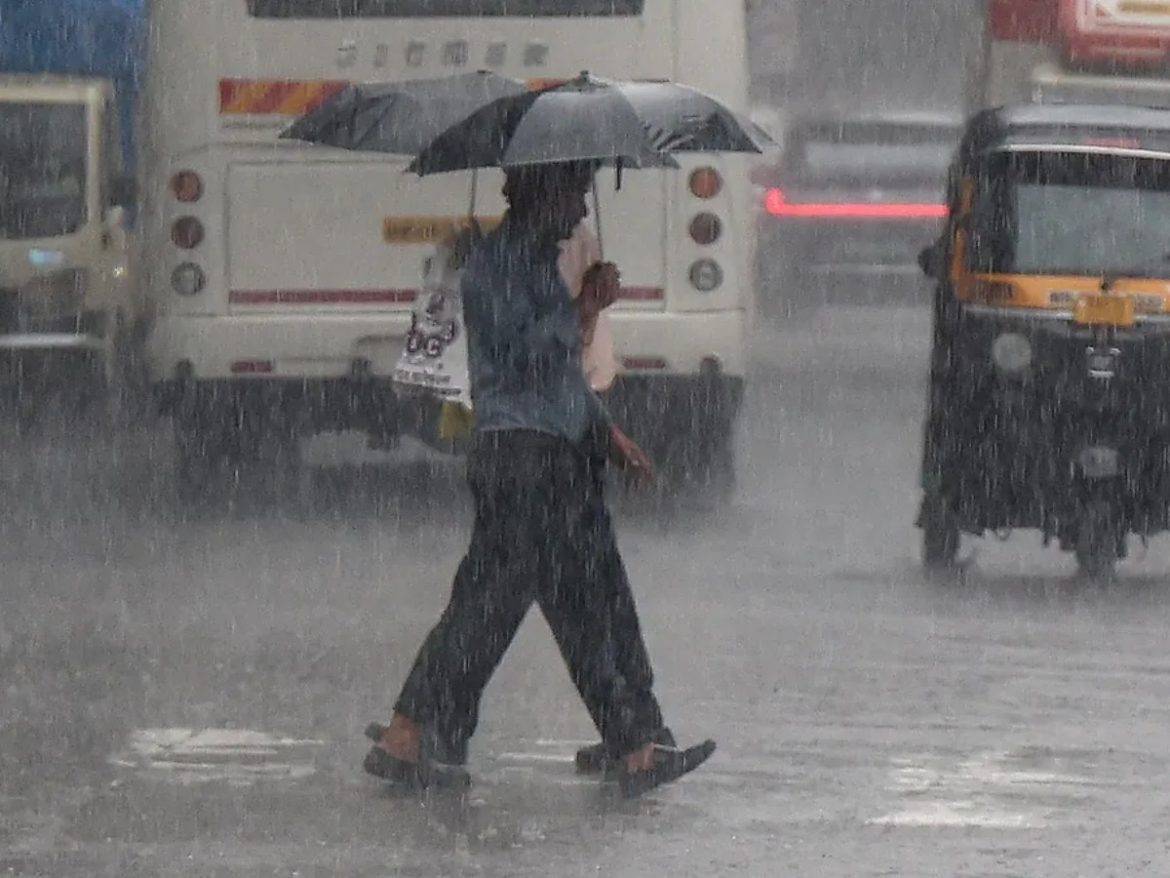
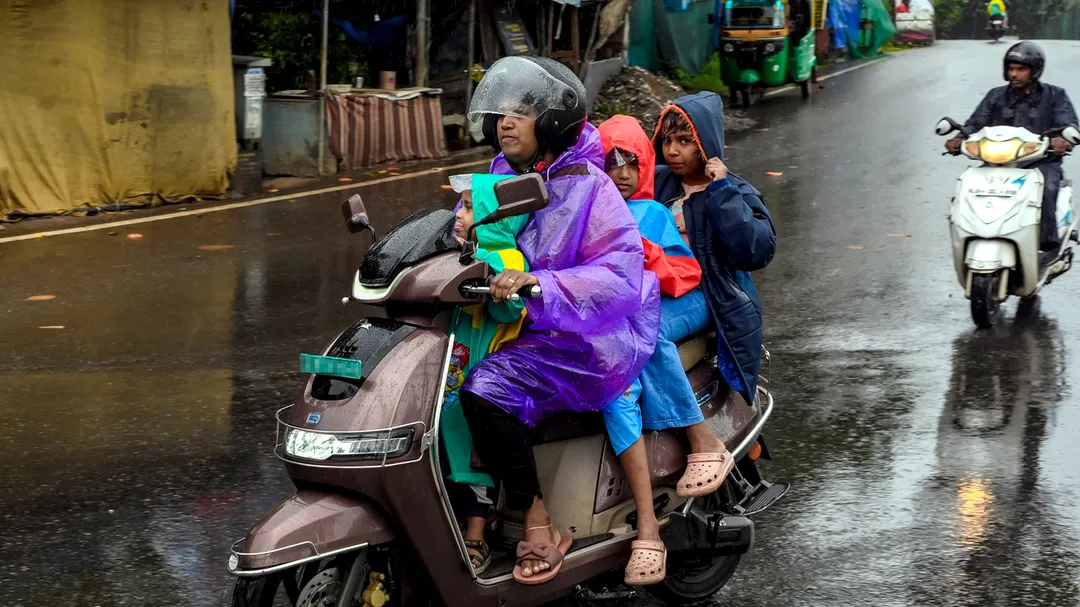
Agricultural regions across several states are bracing for significant weather disruptions as the India Meteorological Department (IMD) has issued a series of "Red" and "Orange" alerts for July 22. The forecast points to a period of intense atmospheric instability, with expectations of heavy to very heavy rainfall, accompanied by thunderstorms and high-velocity winds. The meteorological conditions have prompted local authorities to enact precautionary measures, including the closure of educational institutions, to ensure public safety as the threat of flash floods and landslides looms over vulnerable districts.
The current weather pattern is being driven by a vigorous monsoon surge, which is expected to dump substantial precipitation over a short window. For the farming community, this sudden influx of water presents a complex challenge. While monsoon rains are essential for replenishing groundwater tables and sustaining kharif crop cycles, the projected intensity threatens to surpass the drainage capacity of many rural areas, potentially leading to waterlogging in low-lying fields and the erosion of topsoil in hilly regions.
Assessing the Risk: Hydrological Hazards and Infrastructure Vulnerability
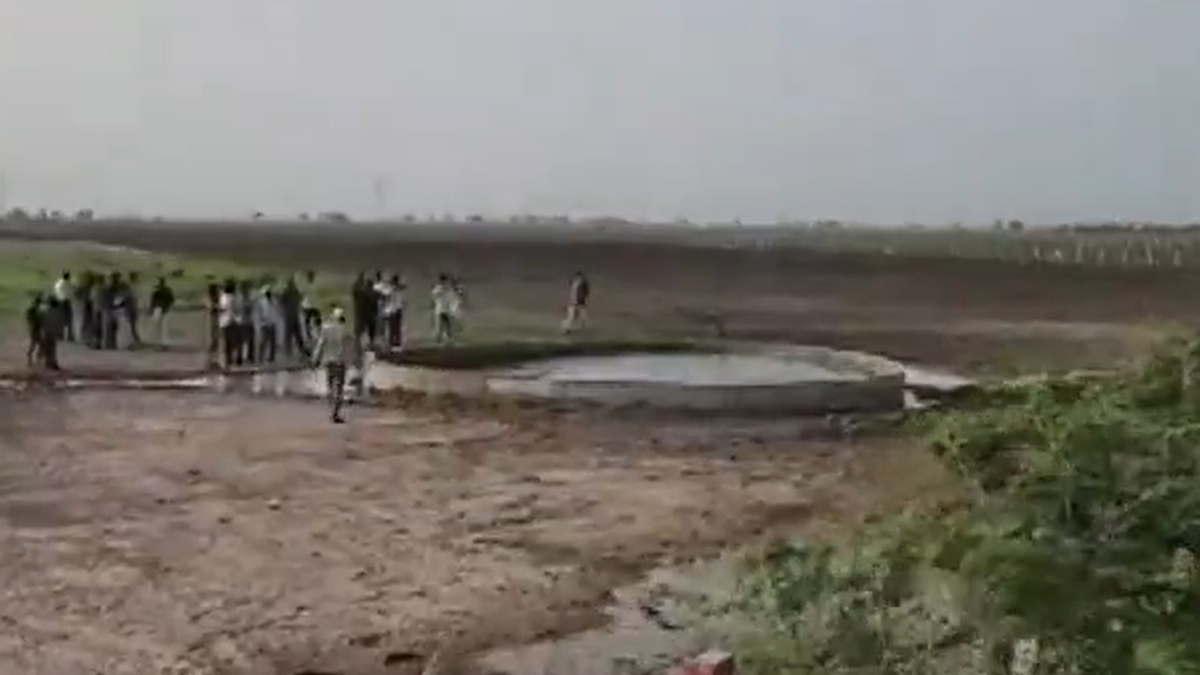
The IMD’s latest advisory emphasizes the risk of flash floods, particularly in regions with undulating topography and saturated soil profiles. When rainfall intensity exceeds the infiltration capacity of the land, the resulting surface runoff can lead to rapid rises in local streams and rivers. For agricultural zones situated in river basins or near mountain foothills, the risk of mudslides and landslips remains a primary concern for local disaster management authorities.
Beyond the immediate physical danger, the sustained downpour is likely to disrupt rural infrastructure. Access roads, which are vital for the movement of perishable produce and essential farm inputs, may become impassable due to water accumulation or debris. Farmers are advised to closely monitor local government updates, as district administrations are frequently revising travel and operational advisories based on the real-time movement of the weather system. The combination of high-velocity winds and rainfall also poses a threat to standing crops, particularly those in the vegetative growth stage, which may be susceptible to lodging or physical damage during the storm.
What This Means for Farmers
For those currently managing fields during this critical phase of the monsoon, the immediate priority must be risk mitigation and asset protection. The following steps are recommended to minimize potential losses:
- Prioritize Field Drainage: Before the onset of the heaviest rainfall, ensure that all drainage channels, trenches, and culverts are clear of debris. Effective water management is the most critical factor in preventing root rot and crop suffocation in water-sensitive varieties.
- Secure Infrastructure and Livestock: Ensure that cattle sheds and storage facilities are reinforced against high winds. Move livestock to higher, sheltered ground well before the weather deteriorates to prevent exposure to flash flooding.
- Postpone Fertilizer Applications: Refrain from applying top-dress fertilizers or pesticides during the heavy rain window. High-intensity precipitation leads to significant nutrient leaching and runoff, rendering chemical applications ineffective while contributing to environmental pollution.
- Monitor Market Access: Given the potential for road closures and transportation delays, farmers should contact local cooperative societies or procurement centers to understand how the weather might affect scheduled deliveries. It is advisable to harvest any mature, perishable produce immediately if conditions allow, or store it in climate-controlled environments if available.
- Stay Informed: Continue to rely on official channels such as the IMD’s mobile applications, district administrative websites, and local agricultural extension offices for real-time updates. Do not rely on unverified social media reports during the height of the weather event.
While the monsoon is a lifeblood for the agricultural sector, the extreme nature of these forecasted events requires a proactive approach to farm management. By taking sensible precautions today, producers can better insulate their operations against the volatility of the current weather pattern.