Unusual Water Disturbance in Morbi Village Sparks Local Concern
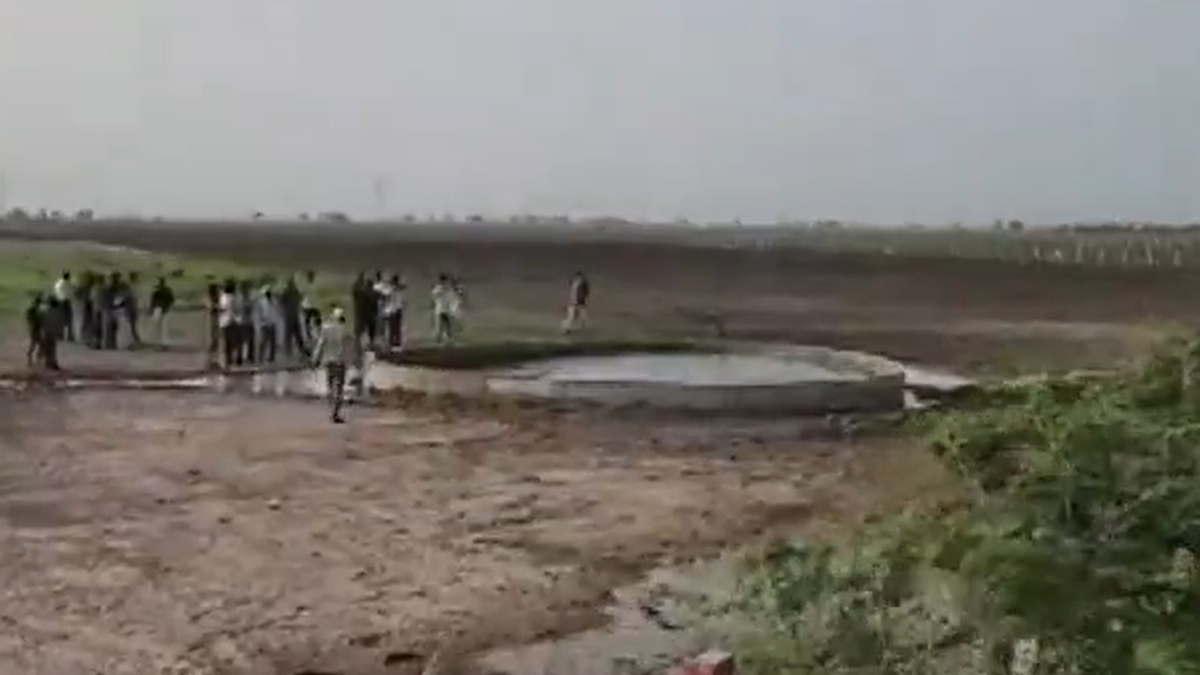
A curious phenomenon in a village near Morbi, Gujarat, has recently captured widespread public attention after video footage of a water well exhibiting continuous, rhythmic movement went viral across social media platforms. The sight of water swirling and rippling within the confines of the masonry well sparked immediate speculation among local residents, with many fearing seismic activity or geological instability in the region.
However, district officials and geological experts have moved quickly to address these anxieties. After an initial assessment of the site, authorities have firmly ruled out any link to seismic events or tectonic shifts. While the visual impact of the moving water was unsettling for those living nearby, officials are urging calm, noting that the phenomenon is likely a localized hydrological event rather than a precursor to a natural disaster.
The Science of Subsurface Pressure and Groundwater Dynamics
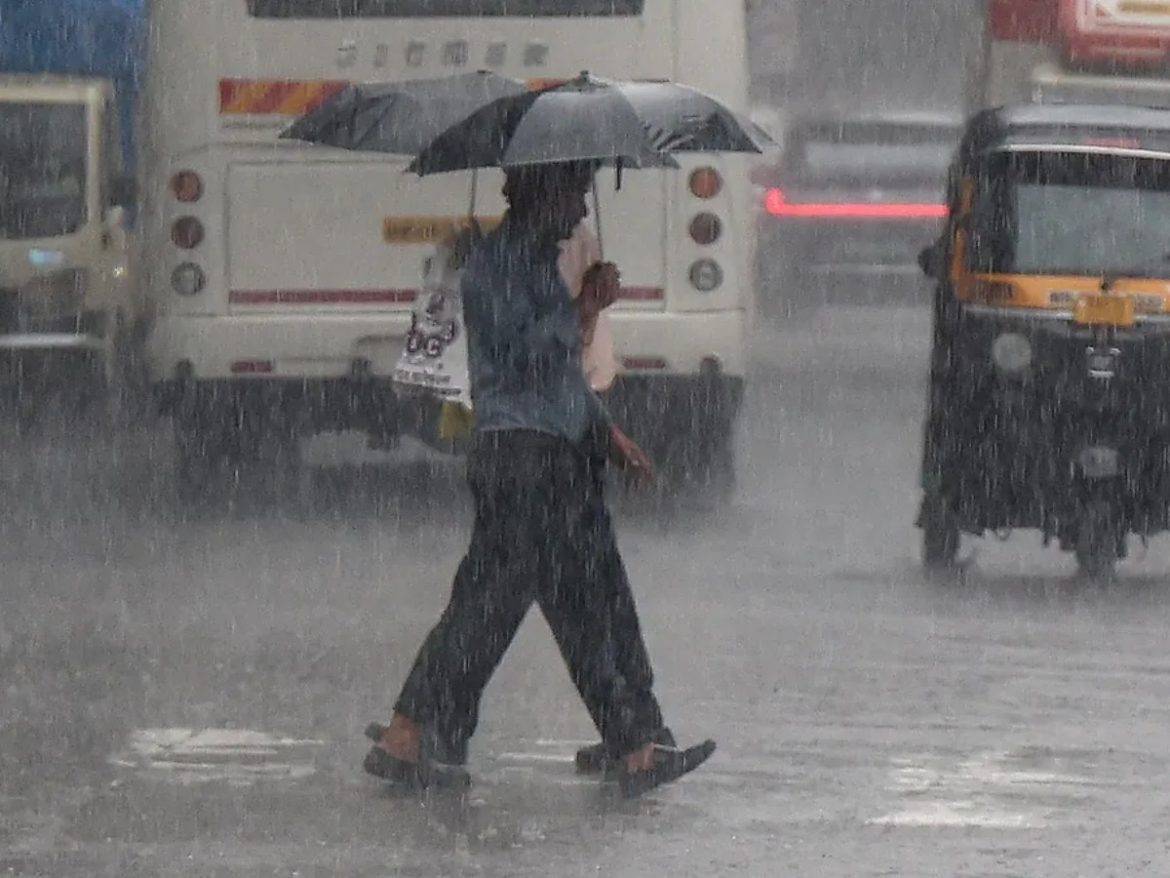
To understand why a stationary body of water would suddenly appear to be agitated, experts point toward the complex interaction between heavy precipitation and the geological structure of the region. Gujarat has recently experienced significant rainfall, which plays a critical role in the behavior of groundwater aquifers.
According to district authorities, the primary theory centers on the rapid recharge of groundwater levels following intense monsoon rains. As water infiltrates the soil and percolates through rock fissures, it displaces air trapped in underground cavities. When this trapped air is forced upward through the narrow channels leading into a well shaft, it can cause the water at the surface to bubble, churn, or appear to "shake."
This process is well-documented in hydrogeology, particularly in areas characterized by porous rock or basaltic formations. The "shaking" effect is essentially the release of pneumatic pressure. As the water table rises rapidly, the incoming water compresses the air pockets within the subterranean rock matrix. Seeking the path of least resistance, this pressurized air escapes through the well, creating a disturbance that mimics the appearance of seismic agitation. Further investigation by a specialized scientific team from Gandhinagar is expected to confirm the specific structural mechanics at play once they conduct a detailed survey of the well's depth, the surrounding rock composition, and current water table pressure levels.
Environmental Factors and Soil Saturation
The role of recent weather patterns cannot be overstated. In agricultural regions, excessive rainfall does more than just nourish crops; it fundamentally changes the stress levels within the local geology. When the ground reaches a point of total saturation, the weight of the water column increases, and the hydraulic pressure exerted on underground aquifers can lead to unusual discharge behaviors in man-made wells.
While this specific event in Morbi has been identified as a natural byproduct of recharge cycles, it serves as a reminder of the dynamic nature of our groundwater systems. The scientific team from Gandhinagar is tasked not only with explaining the current agitation but also with evaluating whether the well’s structural integrity has been compromised by the rapid influx of water and air. Their findings will be vital in determining whether such disturbances could recur as climate patterns fluctuate and rainfall intensity increases in the region.
What This Means for Farmers
For the farming community, this incident highlights the importance of understanding local groundwater dynamics and maintaining well infrastructure. While the "shaking" in this instance was a natural physical reaction, it serves as a practical reminder for landowners to monitor their water sources closely during and after extreme weather events.
- Monitor Well Integrity: Heavy rains can lead to the shifting of loose soil or the erosion of well linings. Farmers should conduct visual inspections of their wells after heavy monsoon spells to ensure there is no structural damage, debris accumulation, or contamination of the water supply.
- Water Quality Testing: Sudden disturbances in groundwater can sometimes stir up sediment or silt from the bottom of a well. If you notice unusual cloudiness or changes in water clarity following a weather event, it is advisable to test the water for purity before using it for irrigation or livestock consumption.
- Professional Consultation: If you observe unusual bubbling or movement in your own wells, do not panic, but do not ignore it. Reach out to local agricultural extension offices or geological departments. Documenting these events helps experts build a better map of local aquifers and can provide early warnings if there are genuine risks to water access.
- Economic Resilience: Groundwater is the lifeblood of agriculture in Gujarat. Understanding how your wells respond to recharge cycles can help in better managing irrigation schedules and preparing for periods of both excess and scarcity.