Monsoon Intensifies: IMD Issues High-Alert Status Across 18 States
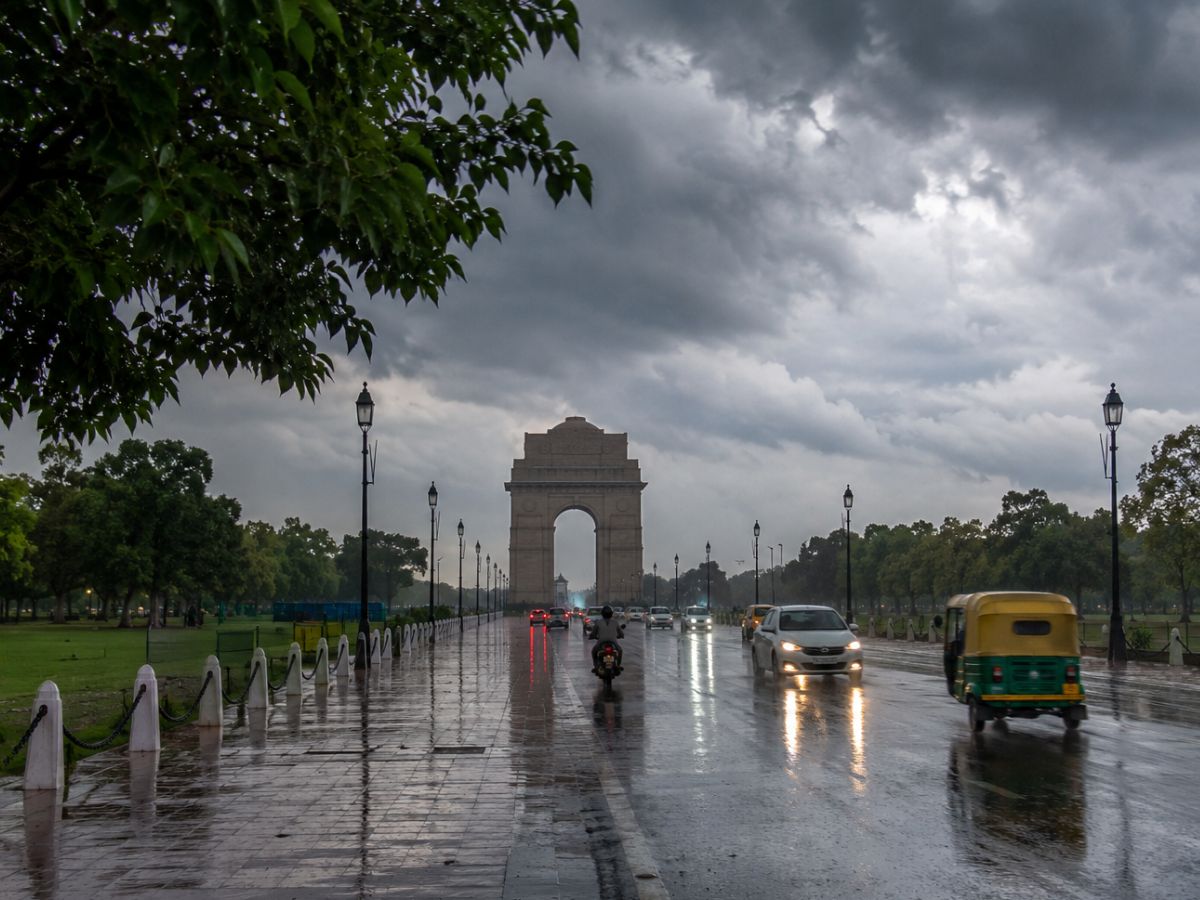
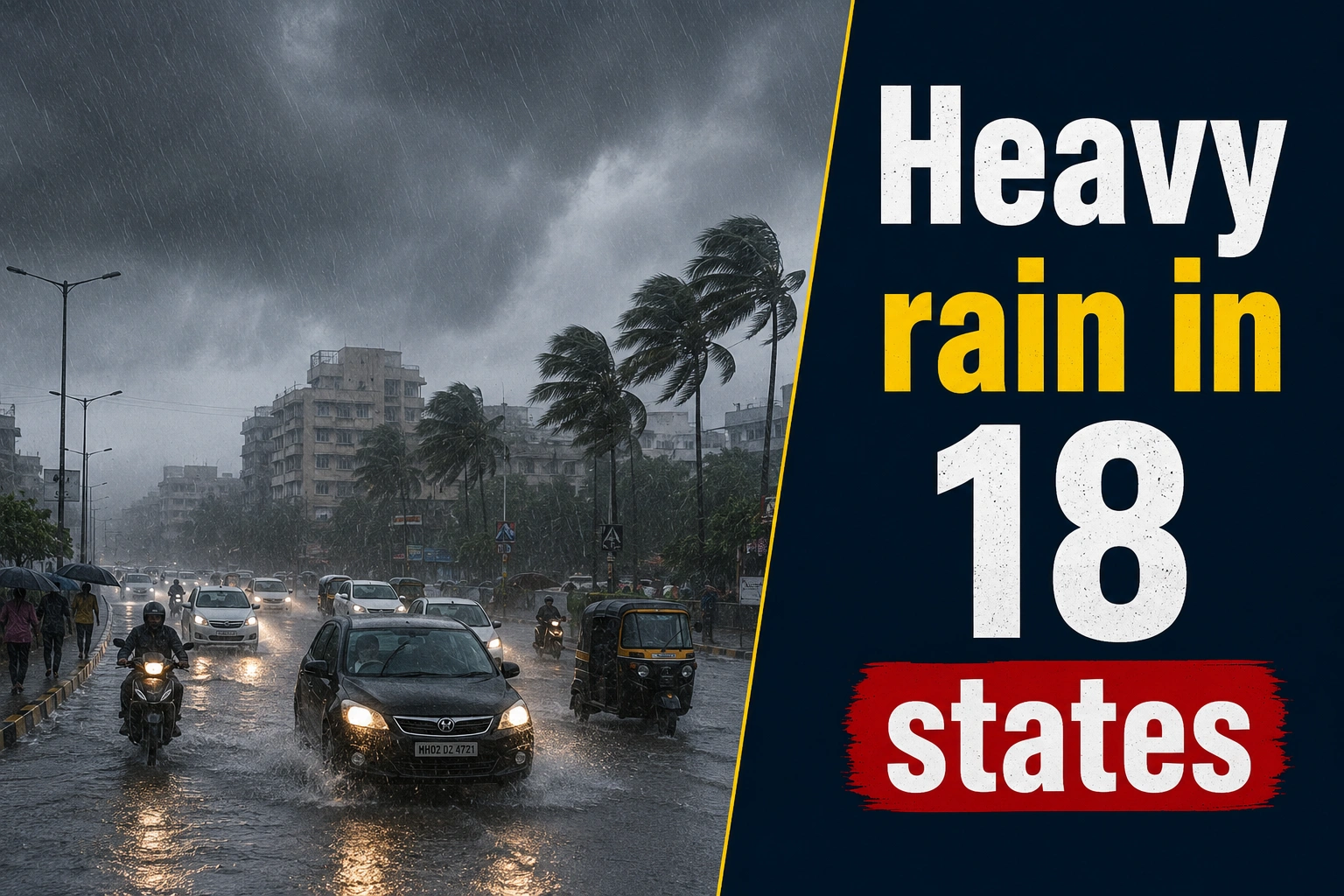
The India Meteorological Department (IMD) has issued a significant weather bulletin today, signaling a period of heightened meteorological activity across the nation. As the monsoon season enters a phase of peak intensity, the national weather agency has placed 18 states on high alert for heavy to very heavy rainfall, accompanied by gusty winds and potential thunderstorm activity. This surge in atmospheric instability is being driven by the active monsoon trough and the convergence of moisture-laden winds from both the Arabian Sea and the Bay of Bengal, which are collectively fueling widespread precipitation across the subcontinent.
Atmospheric Dynamics and Regional Impact
The current weather pattern indicates a robust monsoon progression, with meteorological conditions ripe for intense convective activity. According to the latest data from the IMD, the states under the alert include a broad geographical swathe, ranging from the Himalayan foothills and the northern plains to the coastal regions of the west and the central interior belts. The meteorological office has noted that the combination of cyclonic circulations and low-pressure areas is facilitating a sustained moisture influx, which is expected to trigger heavy rainfall events over the next 48 to 72 hours.
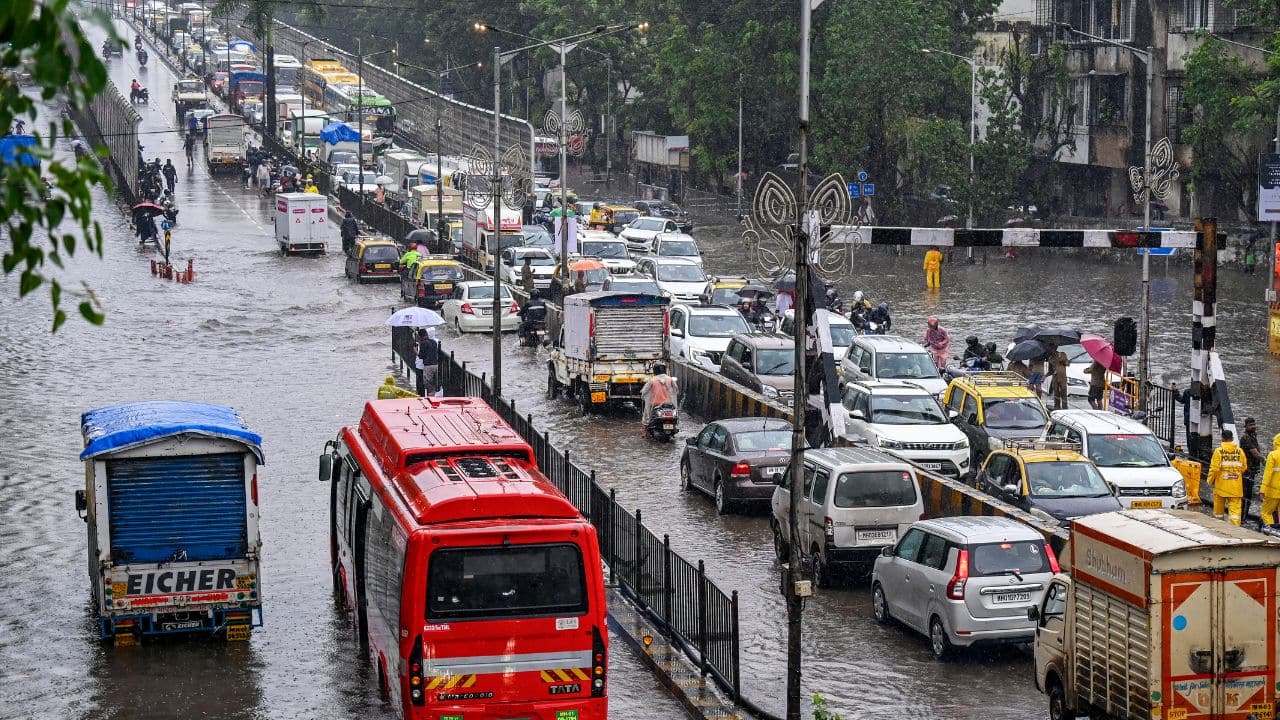
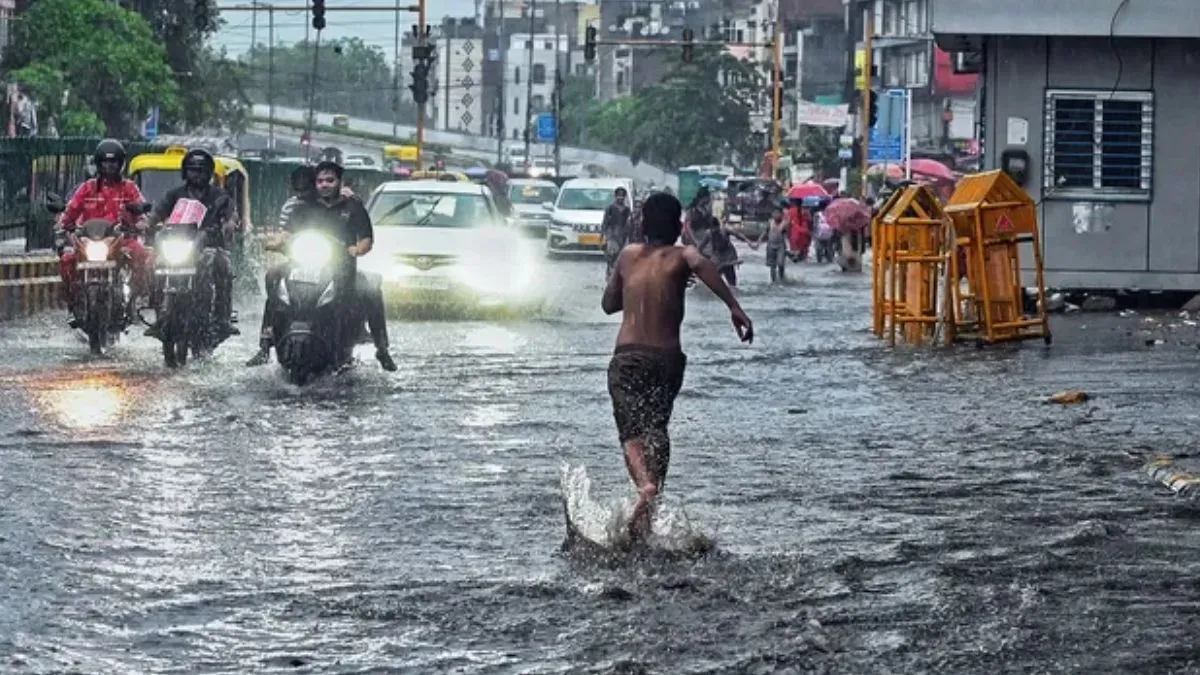
In the northern and central regions, the IMD has warned of potential flash flooding in low-lying areas and the likelihood of waterlogging in urban centers. Meanwhile, in the mountainous terrains, the threat of landslides and localized erosion remains a critical concern. The storm activity is expected to be characterized by strong surface winds, which may pose a risk to standing crops and temporary infrastructure. Authorities are monitoring the situation closely, as the rapid accumulation of rainfall could lead to a swift rise in water levels in major rivers and local drainage systems.
Preparedness and Mitigation Strategies
The IMD’s advisory serves as a critical warning for state-level disaster management authorities to activate their emergency response protocols. The intensity of the monsoon currently being witnessed is consistent with the seasonal variability expected during this phase of the hydrological cycle; however, the geographical reach of this specific alert suggests a need for coordinated efforts in disaster risk reduction. The forecast underscores the importance of real-time monitoring of weather stations and the immediate dissemination of localized warnings to vulnerable communities.
Meteorologists emphasize that while the monsoon is essential for replenishing groundwater and supporting agricultural cycles, the severity of the current rainfall warrants caution. Residents in the affected 18 states are advised to stay updated with the latest bulletins via official portals and to avoid venturing into areas prone to waterlogging or high-speed winds during the peak of the storm activity.
What This Means for Farmers
For the agricultural sector, this period of heavy rainfall presents a complex scenario of both benefit and risk. While the rainfall is vital for the current Kharif season—specifically for crops like paddy, pulses, and oilseeds that require consistent water availability—the intensity of the forecast requires immediate field management adjustments.
- Drainage Management: Farmers should prioritize the maintenance of field drainage channels to prevent water stagnation. Excess water accumulation can lead to root rot and nutrient leaching, which can significantly hamper crop yields if left unaddressed.
- Post-Sowing Care: In regions where recent sowing has occurred, the heavy downpour may cause physical damage to young seedlings. Where possible, implementing windbreaks or temporary protective measures can mitigate the impact of gusty winds.
- Fertilizer Application: It is strongly recommended to pause the application of fertilizers and pesticides during these high-alert days. Rainfall immediately following an application will likely lead to runoff, resulting in the loss of expensive inputs and potential environmental contamination.
- Storage and Logistics: For farmers currently holding harvested produce or perishables, ensuring secure, dry storage is paramount. The high humidity and rainfall can increase the risk of fungal infections and post-harvest spoilage.
- Market Planning: Logistical disruptions are a likely consequence of heavy rainfall. Farmers should factor in potential delays in the transport of produce to local mandis and adjust their supply chain expectations accordingly to minimize losses.
By staying vigilant and executing proactive field management, the farming community can better navigate this intense phase of the monsoon, ensuring that the benefits of the rainfall are maximized while the risks to crop health and infrastructure are minimized.