
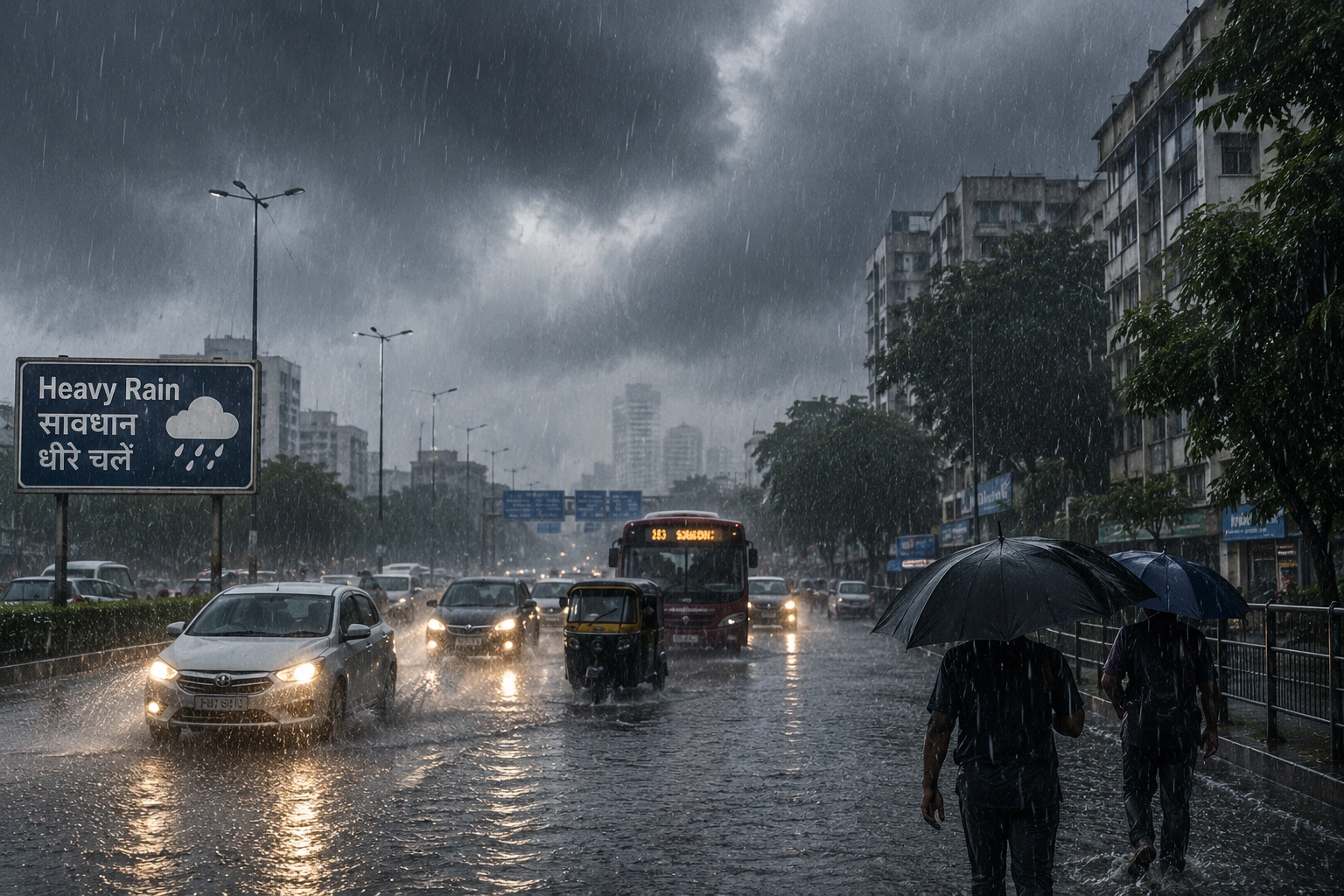
Nationwide Monsoon Surge: IMD Issues High-Alert Warning for 21 States
The India Meteorological Department (IMD) has issued a significant weather advisory as the monsoon cycle enters a phase of renewed intensity. As of August 1, a comprehensive weather alert has been activated for more than 21 states and union territories, warning of heavy to extremely heavy rainfall, accompanied by frequent lightning strikes and severe thunderstorms. This meteorological shift is expected to impact a vast geographic swathe, ranging from the arid landscapes of Rajasthan and Gujarat to the densely populated corridors of Delhi-NCR, Mumbai, and the flood-prone plains of Bihar.
Meteorological data suggests that the convergence of moisture-laden winds from the Arabian Sea and the Bay of Bengal is fueling these weather systems. The IMD has categorized the current atmospheric instability as a high-risk event, urging residents and agricultural stakeholders in affected regions to remain vigilant. With the monsoon season having already presented a varied performance across the country, this sudden intensification threatens to disrupt daily life, infrastructure, and agricultural operations in the coming days.
Regional Vulnerabilities and Infrastructure Risks
The IMD’s forecast highlights specific areas of concern where the cumulative impact of heavy precipitation could lead to significant infrastructure strain. In urban centers such as Delhi-NCR and Mumbai, the primary concern remains urban flooding and severe waterlogging. The combination of saturated soil and intense downpours often leads to the inundation of low-lying areas, causing traffic congestion and potential damage to public utility networks.
In states like Bihar, the alert is particularly critical due to the existing hydrological profile of the region. Heavy rainfall in the catchment areas often leads to a rapid rise in river water levels, creating an immediate risk of flash floods. Similarly, in Rajasthan and Gujarat, where the terrain is prone to rapid runoff, the IMD has warned of potential disruptions to connectivity. The agency has cautioned that the intensity of the thunderstorms, often accompanied by strong gusty winds, poses a threat to power grids, temporary structures, and standing crops. Local administrations have been advised to maintain emergency response readiness to mitigate the impact of potential flooding and lightning-related incidents.
Agricultural Implications and Crop Management
The agricultural sector faces a dichotomy of consequences during this monsoon surge. While the replenishment of groundwater levels and the filling of reservoirs are essential for long-term water security, the immediate threat of extreme rainfall during the critical growth phase of Kharif crops cannot be overlooked. Excessive water accumulation in fields can lead to root rot, nutrient leaching, and the physical lodging of crops, which significantly reduces yield potential.
Furthermore, periods of high humidity and rainfall following a dry spell often create a microclimate conducive to the rapid spread of fungal diseases and pest infestations. Farmers must be particularly observant of their fields during this window, as the high-moisture environment can accelerate the development of pathogens that thrive in wet conditions. The IMD’s emphasis on lightning and severe thunderstorms also highlights a safety risk for field workers, necessitating a shift in labor schedules to avoid exposure during peak storm hours.
What This Means for Farmers
For the farming community, the IMD’s warning serves as a call to prioritize field management and risk mitigation. The economic consequences of extreme weather can be severe, but proactive measures can help minimize losses.
- Ensure Field Drainage: Prioritize the maintenance of drainage channels in fields to prevent water stagnation. Excess water must be diverted away from standing crops to prevent root-zone suffocation and soil saturation.
- Monitor for Disease: Increased humidity and rain are precursors to fungal outbreaks. Farmers should be prepared to scout fields for early signs of disease and consult local agricultural extension services for recommended prophylactic treatments.
- Protect Harvested Produce: For those in regions where early harvesting or threshing might be underway, ensure that produce is stored in elevated, moisture-proof structures to prevent spoilage and quality degradation.
- Prioritize Safety: During active thunderstorm alerts, avoid working in open fields or standing near lone trees, as lightning strikes pose a significant risk to human and livestock life. Always monitor local weather updates via reliable radio or digital channels.
- Insurance Documentation: In the event of catastrophic crop damage due to flooding, maintain clear documentation—including photographs and field logs—to facilitate potential insurance claims or government relief assistance, should such programs be activated in your district.
By staying informed through official IMD bulletins and coordinating with local village-level agricultural offices, farmers can navigate this period of heightened weather volatility with greater resilience and preparedness.


