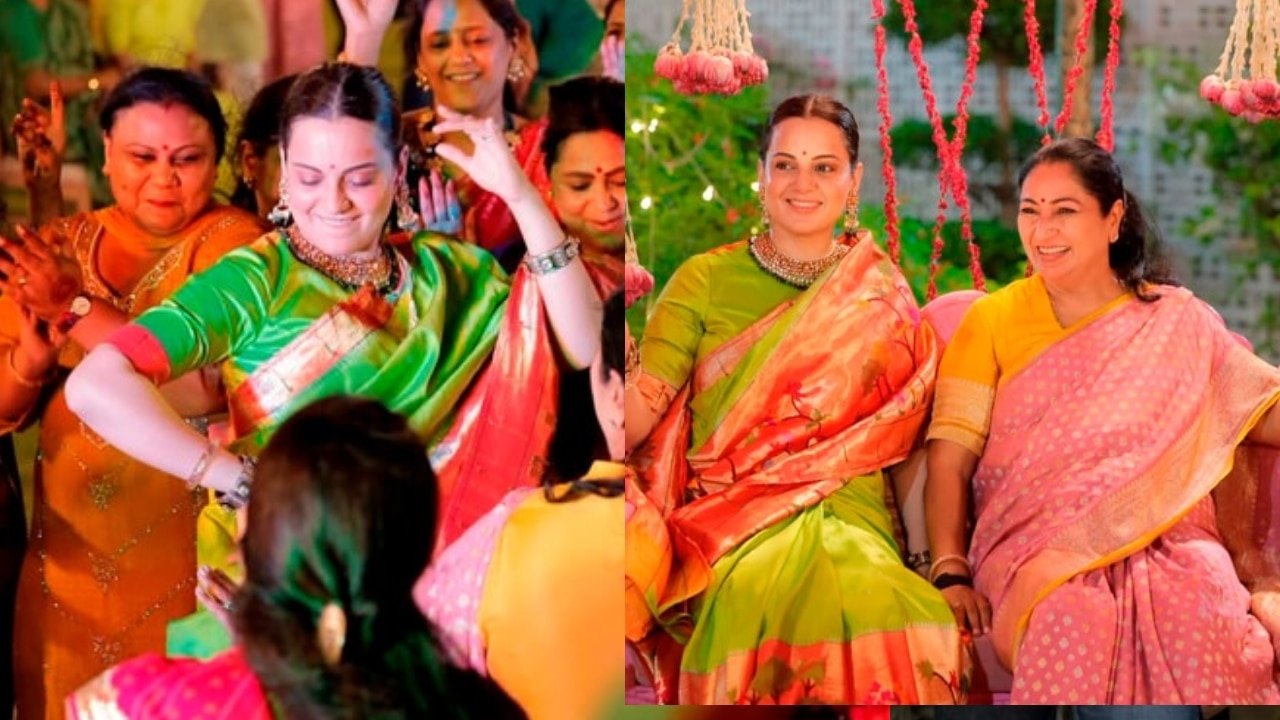
Cultural Heritage Meets Modern Influence at the 2026 Hariyali Teej Celebrations
The annual Hariyali Teej festivities, a cornerstone of the monsoon agricultural calendar, reached a new level of public visibility in 2026 as high-profile figures gathered to honor the traditions of the season. The event, hosted by Chief Minister Rekha Gupta, served as a vibrant confluence of traditional agrarian customs and the evolving influence of celebrity culture on rural fashion and handloom advocacy. Among the distinguished guests, actor and public figure Kangana Ranaut drew significant attention, not only for her presence but for her deliberate choice to highlight the artisanal craftsmanship of the Indian handloom sector.
The festival of Hariyali Teej is deeply rooted in the farming communities of northern India, marking the arrival of the monsoon and the revitalization of the land. By choosing to celebrate in a lime-green Kanjeevaram silk saree, Ranaut underscored the thematic alignment between the festival’s agricultural significance—symbolizing greenery, fertility, and the lush state of the fields—and the resurgence of interest in traditional textile arts. The event served as a high-profile platform to showcase how regional fashion can integrate seamlessly with the festive spirit of the agrarian cycle.
The Economic Importance of Handloom in Rural Development
Beyond the glamour of the event, the focus on handloom textiles carries significant weight for India’s rural economy. The handloom sector remains one of the largest employers in the country after agriculture, providing a vital source of secondary income for millions of households. When public figures utilize platforms like the Hariyali Teej celebrations to promote indigenous weaves, it creates a ripple effect that benefits the grassroots weaving communities.
The choice of a Kanjeevaram silk—a fabric traditionally associated with heritage and intricate labor—highlights a growing consumer shift toward sustainable and slow-fashion alternatives. In an era where mass-produced synthetic fibers often dominate the market, the promotion of hand-spun and hand-woven silks serves as a critical support mechanism for artisans who preserve ancient weaving techniques. By aligning these textiles with seasonal celebrations, the event effectively bridges the gap between rural production and urban consumption, encouraging a market environment where traditional value chains are prioritized.
Strengthening the Bond Between Tradition and Modernity
The 2026 celebration in Delhi served as a reminder that the preservation of seasonal festivals is essential for maintaining cultural continuity in an increasingly modernized society. Hariyali Teej is not merely a social occasion; it is a time for reflection on the health of the monsoon crops and the prosperity of the farming community. The inclusion of traditional dress codes at such high-level government events reinforces the importance of these customs, ensuring they remain relevant to younger generations.
As the monsoon season dictates the economic success of the agricultural sector, the cultural festivities surrounding it act as a unifying force. The participation of political and cultural leaders in these rituals helps to elevate the visibility of the farming community's contributions to the national economy. It transforms a localized agricultural tradition into a national conversation, emphasizing the intrinsic link between the soil, the harvest, and the cultural identity of those who nurture the land.
What This Means for Farmers
While high-profile festivities may seem distant from the daily rigors of field management and crop cycles, they carry tangible benefits for the broader agricultural and rural economy:
- Increased Demand for Natural Fibers: The promotion of handloom silks and cottons supports the demand for raw natural fibers produced by farmers, such as high-quality cotton and sericulture-based silk. This strengthens the vertical integration of the textile supply chain.
- Boosting Rural Tourism and Local Markets: Events that celebrate regional identity often drive interest in rural tourism and local handicrafts. Farmers and rural entrepreneurs can leverage this interest by participating in local "haats" and craft fairs that coincide with seasonal festivals.
- Cultural Resilience: Maintaining a strong connection to agrarian traditions helps preserve rural demographics. When farming culture is celebrated on a national stage, it enhances the social prestige of rural life, which is vital for encouraging the next generation of youth to remain engaged in agriculture.
- Economic Diversification: For farming households, the ability to pivot toward value-added activities—such as textile production or agro-tourism—provides a buffer against the inherent risks of weather-dependent crop cultivation. Supporting the handloom industry is a strategic way to ensure that rural incomes are not solely dependent on harvest yields.