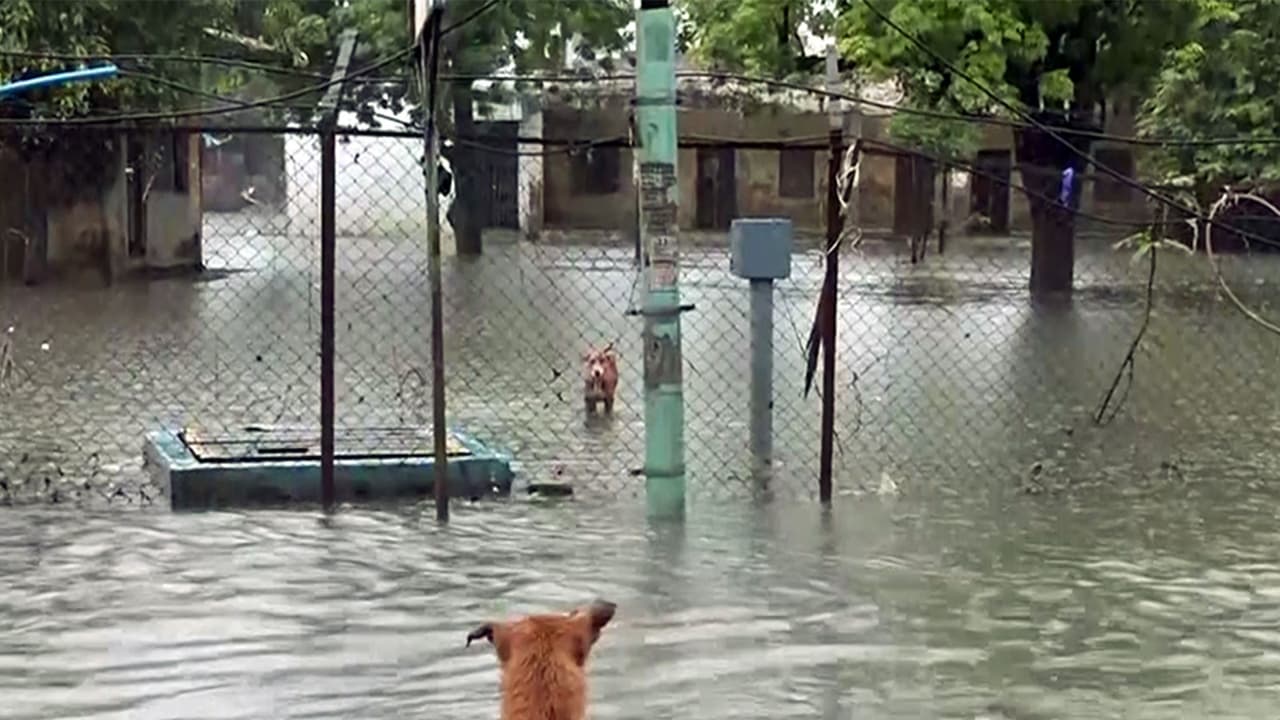
Gujarat Health Department Stabilizes Public Health Amidst Monsoon Flood Crisis
The state of Gujarat has successfully mitigated the risk of a widespread public health crisis following a period of extreme and persistent monsoon rainfall. By activating a comprehensive Monsoon Action Plan, the Gujarat Health Department has managed to contain potential outbreaks of waterborne and vector-borne diseases that frequently plague agricultural regions during the post-flood period. Through a combination of rapid emergency response, strategic resource allocation, and proactive community outreach, authorities have successfully navigated the challenges posed by severe weather disruptions to rural and peri-urban healthcare infrastructure.
Proactive Measures and Emergency Logistics
The success of the state’s intervention lies in the early implementation of the Monsoon Action Plan, which prioritized the continuity of essential health services despite flooded transport routes and damaged infrastructure. Recognizing that stagnant water and disrupted sanitation systems create prime breeding grounds for pathogens, the health department established a network of 24x7 control rooms. These hubs served as the nerve center for real-time monitoring of disease patterns, allowing for the immediate deployment of rapid response teams to identified hotspots.
A critical component of this emergency strategy was the focus on vulnerable populations. Recognizing that maternal health is often severely compromised during natural disasters, the department executed a massive logistical operation to relocate 675 pregnant women from flood-prone zones to safer, medicalized facilities. This proactive relocation ensured that these individuals had access to safe delivery environments, drastically reducing the risks associated with obstetric emergencies in isolated or flooded rural areas. This move not only protected the lives of expectant mothers and their infants but also eased the burden on local health centers that were struggling to maintain operations under extreme weather conditions.
Strengthening Epidemiological Surveillance and Response
Beyond immediate logistical maneuvers, the Gujarat health authorities focused on preventing the secondary waves of disease that typically follow heavy flooding. Rapid response teams were dispatched across the affected districts to conduct mass screenings and distribute essential sanitation supplies. These teams focused on identifying early indicators of illnesses such as malaria, dengue, and leptospirosis—conditions that often spike in agricultural communities following flooding due to the contamination of water sources and the proliferation of insect vectors.
The integration of decentralized monitoring allowed the state to maintain a high level of situational awareness. By coordinating between district-level administrative bodies and clinical health services, the department was able to maintain the supply chain for essential medicines, clean water purification tablets, and mosquito netting. This multi-layered approach ensured that even in areas where physical access was restricted by rising water levels, the standard of care did not collapse, effectively preventing a localized emergency from escalating into a regional health crisis.
What This Means for Farmers
For the farming community, the containment of this health emergency carries significant economic and operational implications. The immediate impact is the preservation of the labor force; during the critical agricultural windows of the monsoon, the health of the farming family and the hired workforce is the primary driver of productivity. By preventing a widespread health crisis, the state has helped ensure that the workforce remains available for post-flood field remediation, which is vital for crop recovery.
Farmers should take note of the following practical considerations as the monsoon season continues:
- Sanitation and Water Safety: Even as floodwaters recede, the risk of waterborne illness remains high. Farmers are advised to continue boiling water for domestic use and to monitor livestock for signs of disease, as standing water can harbor pathogens that affect both humans and animals.
- Vector Control: The period immediately following heavy rain is the peak time for mosquito breeding. Clearing stagnant water around farm equipment, storage containers, and residential areas is an essential practice to prevent the spread of vector-borne diseases.
- Emergency Preparedness: The relocation of pregnant women highlights the importance of maintaining an emergency "go-bag" and having a clear contingency plan for accessing healthcare. Farming families in remote areas should identify the nearest accessible 24x7 clinic and keep emergency contact numbers readily available.
- Long-term Resilience: The effectiveness of the state’s Monsoon Action Plan serves as a reminder to engage with local health authorities during the pre-monsoon period. Farmers should proactively share information regarding local infrastructure weaknesses with district officials to improve community resilience for future seasons.
While the immediate threat has been contained, the agricultural sector must remain vigilant. Maintaining high standards of hygiene and adhering to local health advisories will be crucial in ensuring that the remainder of the cropping season remains productive and free from preventable health-related setbacks.