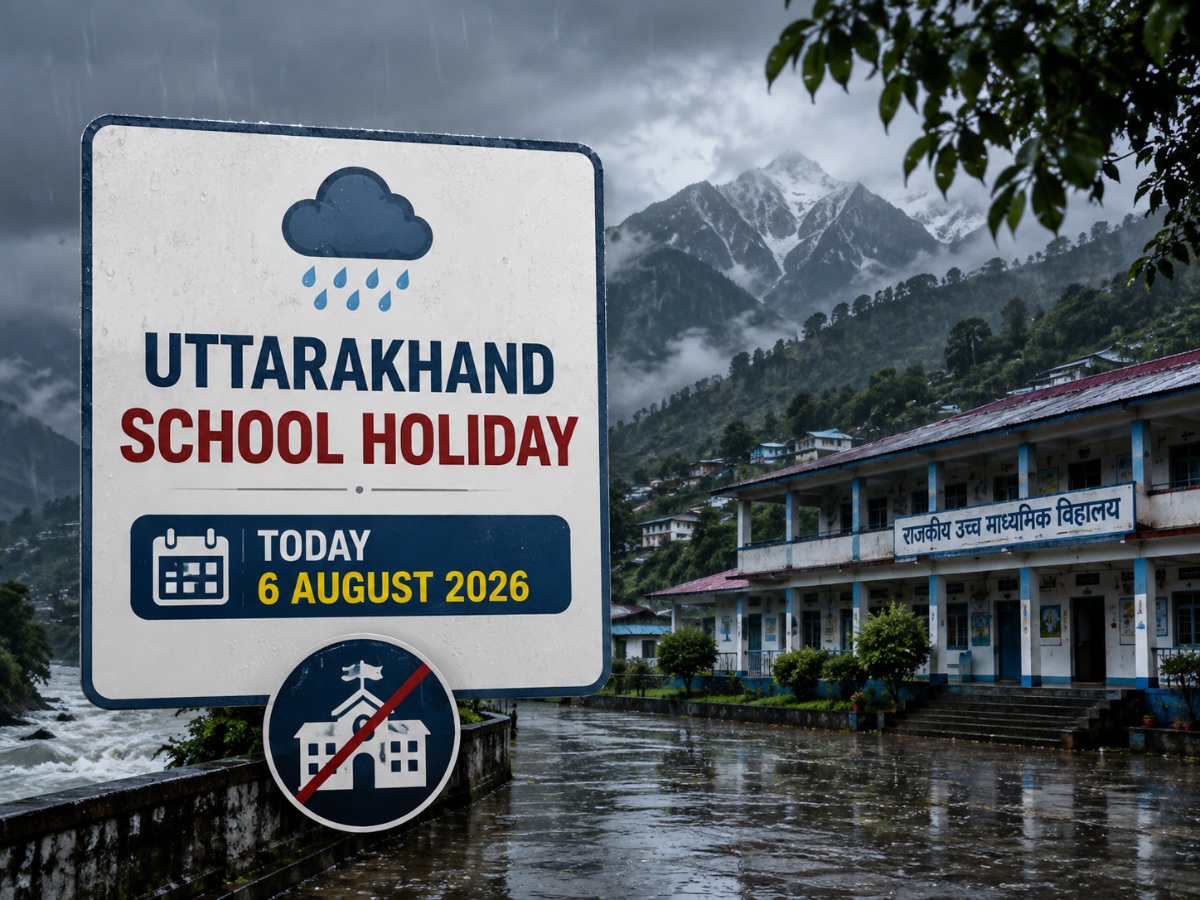
Heavy Monsoon Rains Prompt School Closures Across Major Gujarat Hubs
Authorities in Gujarat have issued a sweeping directive to close all schools and colleges across Ahmedabad and Vadodara on July 31. The decision follows a severe weather warning issued by the India Meteorological Department (IMD), which has placed several districts under a "Red Alert" due to the forecast of extremely heavy rainfall. The precautionary measure is designed to prioritize student safety and mitigate the risks associated with waterlogging, flash flooding, and potential infrastructure disruptions caused by the ongoing monsoon surge.
State officials have urged citizens to exercise extreme caution as the weather system intensifies. With heavy downpours expected to persist, local administrations are closely monitoring the situation to determine if further extensions or additional measures will be required. The closure serves as a critical safety buffer, preventing thousands of students from navigating potentially hazardous road conditions during the peak of the storm.
Meteorological Context and Regional Impact
The current weather pattern across Gujarat is characterized by a high-intensity monsoon cycle, fueled by favorable atmospheric conditions that have brought significant moisture from the Arabian Sea. The IMD’s Red Alert status indicates that widespread, heavy to extremely heavy rainfall is expected in the coming 24 to 48 hours. This level of precipitation poses a significant risk to low-lying urban areas, where drainage systems are often pushed to their capacity, leading to rapid water accumulation.
Beyond the metropolitan centers of Ahmedabad and Vadodara, the agricultural regions surrounding these districts are also bracing for impact. While the monsoon is vital for the state's agrarian economy, the intensity of this particular weather event creates immediate challenges for rural infrastructure. The saturation of soil and the potential for localized flooding in fields can disrupt transportation networks, complicating the movement of essential goods and services. As meteorological agencies continue to track the movement of the low-pressure system, the state government remains in a state of high alert, coordinating with disaster response teams to handle any emergencies that may arise from the inclement weather.
What This Means for Farmers
For the agricultural community across Gujarat, the current heavy rainfall presents a complex scenario of both long-term benefits and immediate operational risks. While the monsoon is essential for recharging groundwater levels and filling local reservoirs, the intensity of the current downpour necessitates proactive farm management.
- Field Drainage Management: Farmers in low-lying areas must ensure that field channels are clear to prevent waterlogging. Excessive moisture in the root zone can lead to crop stress, root rot, and the leaching of essential nutrients, particularly in standing crops like cotton and groundnut.
- Input Protection: With the threat of heavy rain, producers should secure stored fertilizers and harvested produce. Moisture exposure can lead to rapid degradation of quality, rendering crops susceptible to fungal infections and post-harvest losses.
- Livestock Safety: Relocating livestock to elevated, dry structures is critical. Prolonged exposure to damp conditions increases the risk of foot-and-mouth disease and other respiratory issues in cattle and small ruminants.
- Infrastructure Vigilance: The disruption of transportation networks may temporarily impact the ability to move perishable produce to local markets (APMCs). Farmers are advised to stay updated on local weather bulletins and road conditions before planning any logistics.
- Long-term Outlook: Despite the immediate challenges, the replenishment of water resources is a positive indicator for the upcoming Rabi season. However, the current focus must remain on mitigating soil erosion and preventing damage to existing infrastructure until the IMD downgrades the alert status.
In summary, while the school holidays provide a necessary reprieve for the student population, the broader agricultural sector must remain vigilant. Monitoring local weather forecasts and prioritizing the integrity of drainage and storage infrastructure will be the best defense against the volatile weather conditions currently affecting the region.