Heavy Rainfall Triggers Widespread Educational Closures Across Gujarat
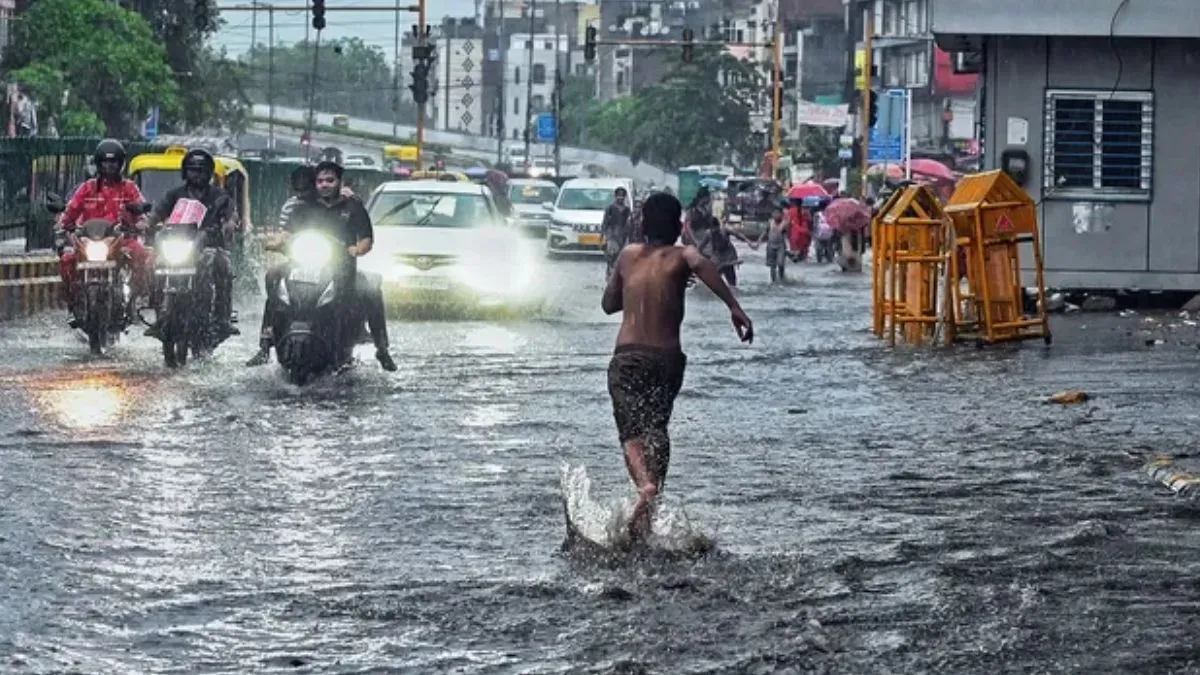
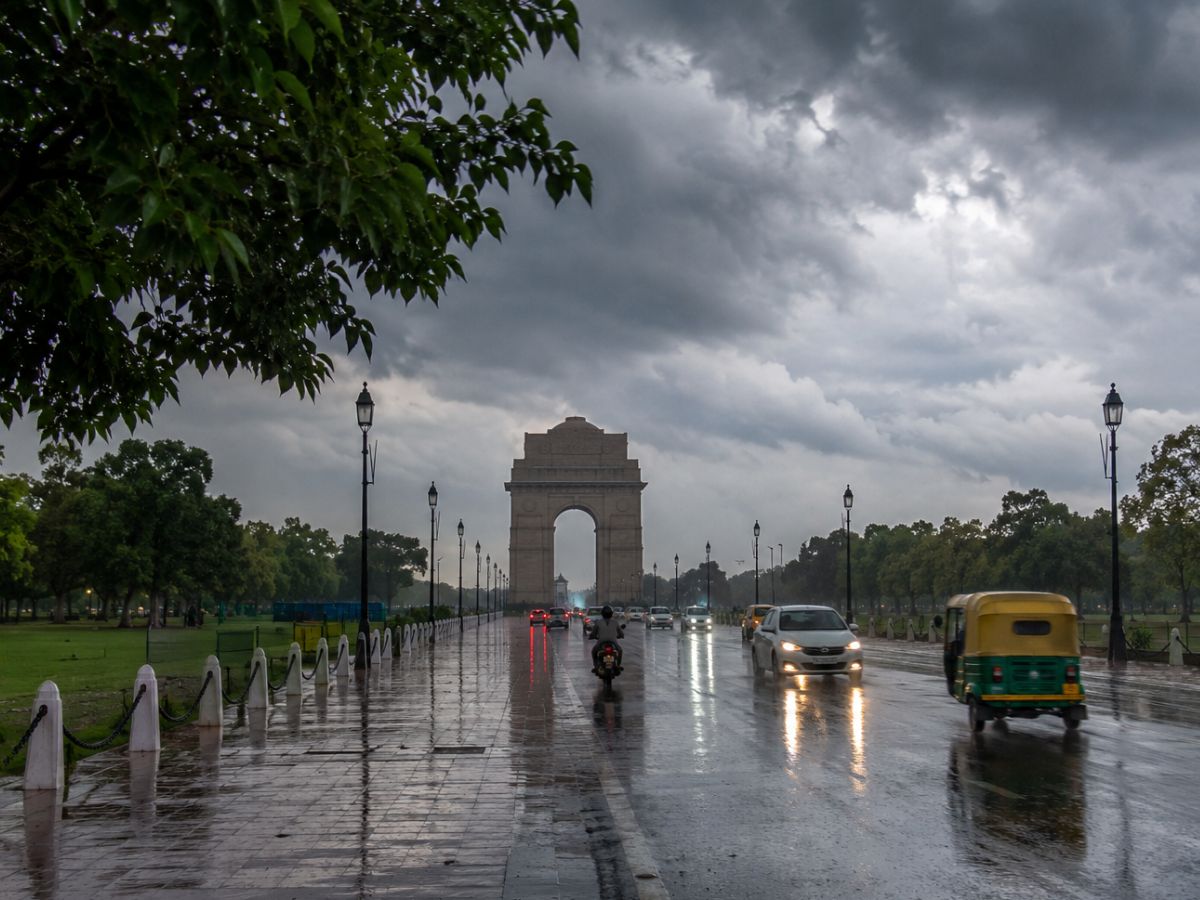
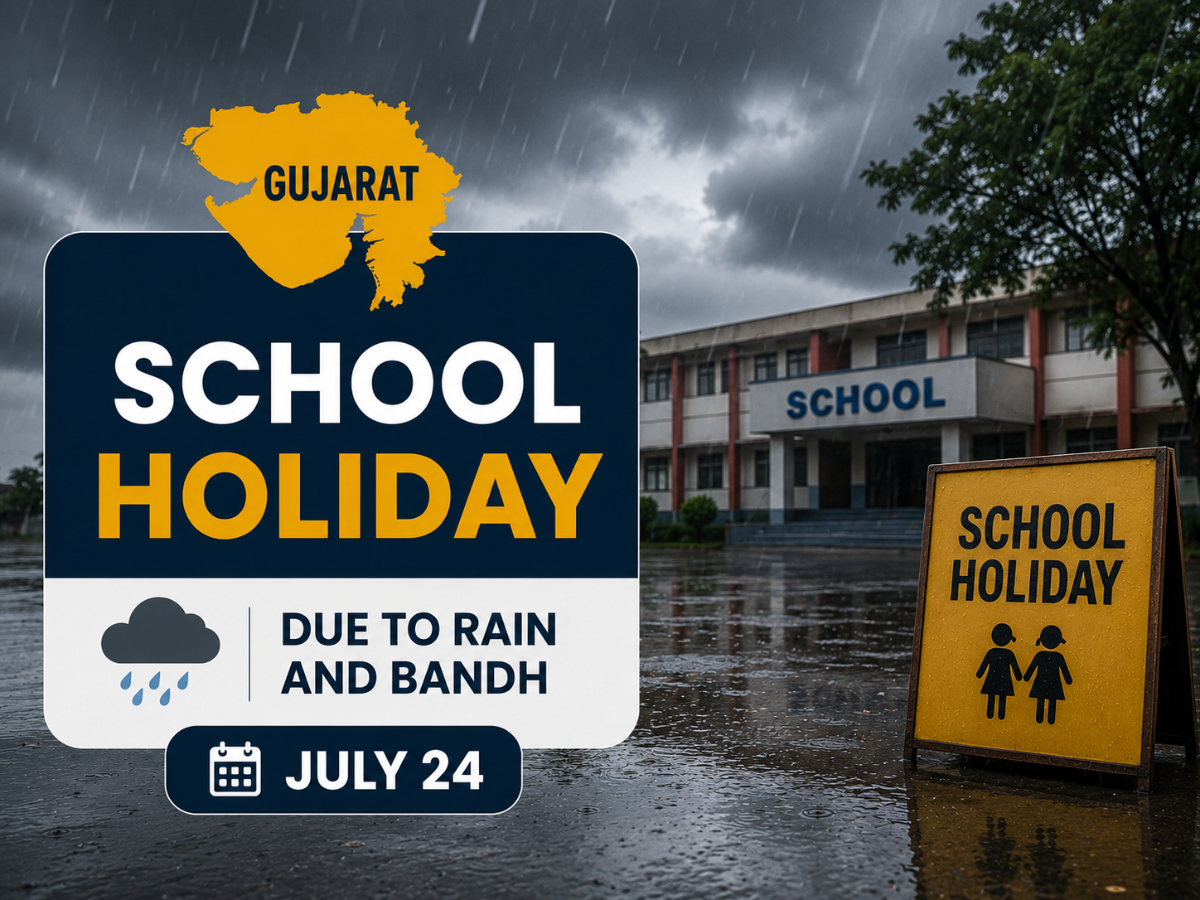
As heavy monsoon showers continue to lash the state of Gujarat, local administrations across several districts have issued urgent directives regarding the closure of educational institutions for July 24. The decision comes in the wake of continuous precipitation and severe weather warnings issued by the India Meteorological Department (IMD), which has flagged significant risks of waterlogging, flash flooding, and compromised transport infrastructure in low-lying areas.
The state government, in coordination with district collectors, has prioritized the safety of students and faculty by suspending physical classes in both schools and colleges in the most severely affected regions. While the situation remains fluid, authorities are urging citizens to stay updated through official district portals, as localized weather conditions dictate the operational status of academic campuses on an hour-by-hour basis.
IMD Weather Advisory and Regional Impact
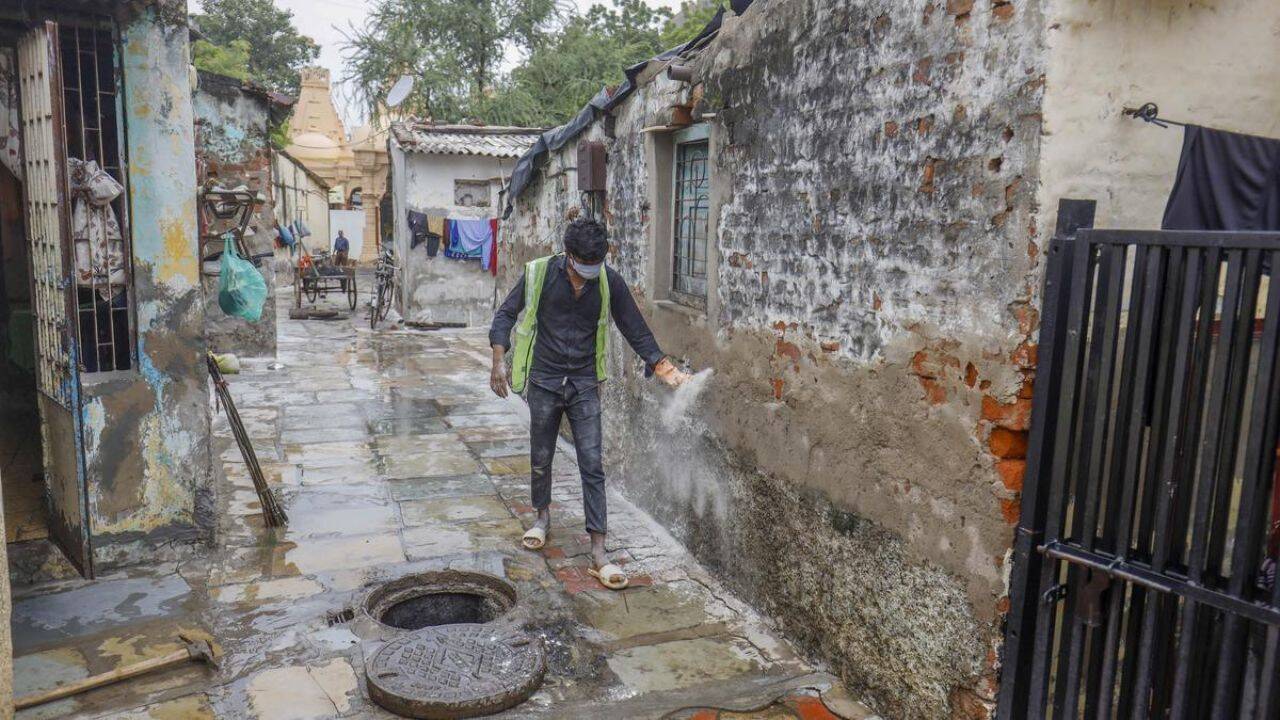
The India Meteorological Department has maintained a high-alert status for Gujarat, citing a vigorous monsoon current that has resulted in sustained heavy to very heavy rainfall. Meteorological data indicates that the influx of moisture from the Arabian Sea, combined with cyclonic circulations, has created conditions conducive to persistent downpours. These weather patterns are particularly challenging for urban centers such as Ahmedabad, Surat, and Vadodara, where drainage systems are currently operating at maximum capacity.
Beyond the immediate disruption to academic schedules, the IMD has issued cautionary advisories regarding the potential for rising water levels in rivers and reservoirs. The persistent rain not only poses risks to daily commutes but also threatens to isolate rural pockets due to submerged causeways and road damage. Consequently, district magistrates have been granted the authority to enforce localized holidays, ensuring that schools do not become hubs for students stranded by sudden environmental hazards.
Managing Infrastructure and Student Safety
The decision to shutter schools and colleges is a standard precautionary measure under the state’s Disaster Management protocols. When meteorological alerts reach the "Red" or "Orange" thresholds, district administrations move to minimize human mobility to allow emergency services and municipal teams to address waterlogging and debris clearance. For parents and students, the primary recommendation remains to avoid unnecessary travel and rely strictly on official announcements disseminated by local municipal corporations or district collectorates.
In addition to the closure of physical classrooms, many institutions have been encouraged to transition to online learning modules where infrastructure permits, ensuring that the academic calendar remains as stable as possible despite the weather-related interruptions. However, in regions experiencing severe power outages or internet disruptions, educational activities have been suspended entirely until the weather conditions stabilize and authorities deem the commute safe for the student population.
What This Means for Farmers
For the agricultural community in Gujarat, these heavy rainfall alerts serve as a critical indicator for both immediate field management and long-term crop planning. While the monsoon is vital for replenishing reservoirs and supporting the Kharif crop cycle, excessive and continuous rainfall at this stage can present significant agronomic challenges.
- Field Drainage Management: Farmers are advised to ensure that field channels are clear to prevent waterlogging, which can lead to root rot and nutrient leaching in standing crops like cotton, groundnut, and paddy.
- Pest and Disease Monitoring: High humidity and stagnant water create an ideal environment for fungal infections and pest outbreaks. It is essential to monitor fields closely once the weather clears and to apply appropriate fungicidal measures if early signs of disease appear.
- Input Protection: Ensure that stored fertilizers and seeds are secured in dry, elevated areas to prevent spoilage from moisture ingress during this period of intense precipitation.
- Livestock Safety: Move livestock to higher, sheltered ground and ensure that fodder supplies are kept dry. Excessive mud in cattle sheds can lead to hoof-related health issues and hygiene concerns that require immediate management.
- Market Logistics: Expect potential disruptions in the supply chain. Transporting harvested produce or essential inputs to and from APMCs may be delayed due to road closures; farmers should coordinate with local cooperatives to track logistics updates and avoid unnecessary transit.
As the monsoon season progresses, agricultural stakeholders should maintain close contact with local Krishi Vigyan Kendras (KVKs) for location-specific advisories. Leveraging these resources will help mitigate the risks posed by extreme weather events and protect the season’s yields against potential climate-induced stressors.