Unrelenting Monsoon Deluge Triggers Red Alert Across Gujarat
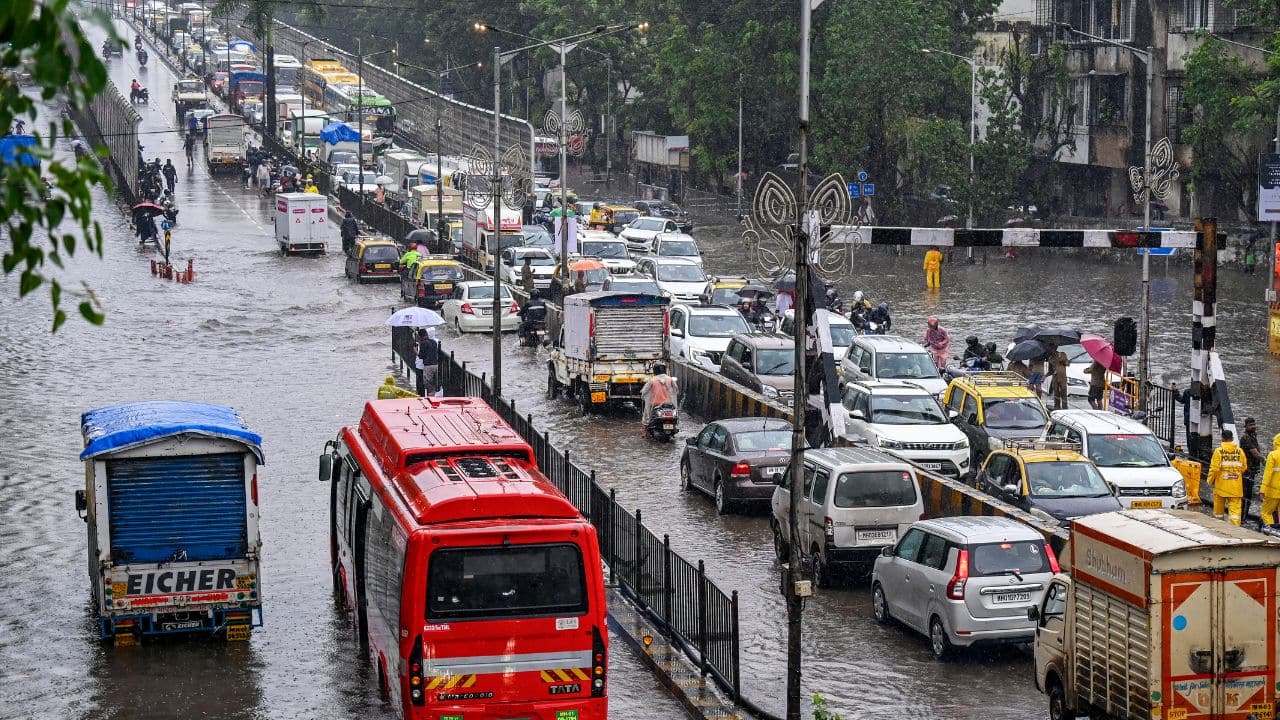
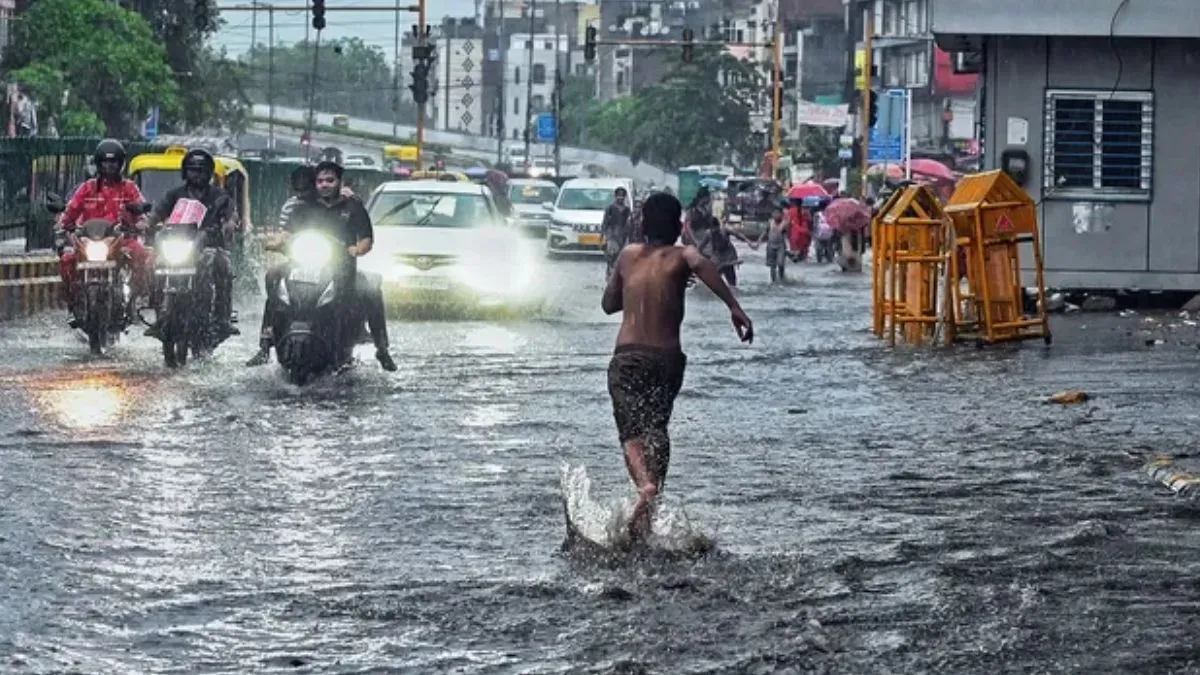
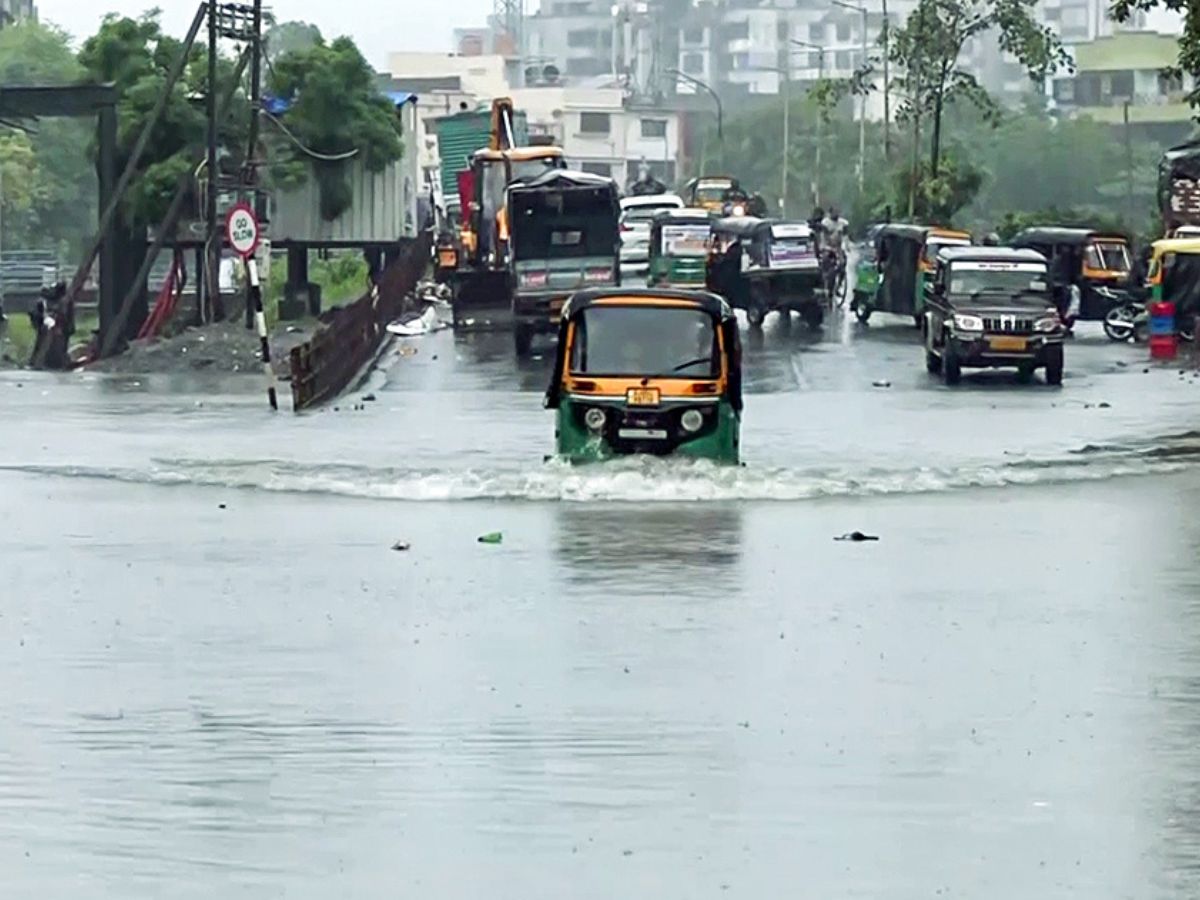
The state of Gujarat is currently facing a severe meteorological crisis as an active monsoon system continues to dump unprecedented volumes of rainfall across the region. The India Meteorological Department (IMD) has escalated its warnings, issuing a red alert for 15 districts, including major urban and agricultural hubs such as Ahmedabad and Vadodara. This comes on the heels of extreme precipitation events in southern Gujarat, where some areas have recorded staggering rainfall totals, raising immediate concerns regarding infrastructure stability, public safety, and the long-term health of the state’s agricultural sector.
The intensity of the current weather pattern is underscored by data from Surat, where the Ambika Taluka recorded a catastrophic 24.06 inches of rainfall within a single 24-hour window. This localized deluge is indicative of the broader atmospheric instability affecting the state. Beyond the 15 districts under the highest-level red alert, the IMD has maintained an orange alert for an additional 21 districts, signaling a continued threat of flash flooding, severe waterlogging, and the potential for infrastructure damage as saturated soil reaches its absorption capacity.
Hydrological Stress and Infrastructure Challenges
The current rainfall pattern is characterized by high-intensity, short-duration bursts that overwhelm drainage systems and natural water courses. In districts like Ahmedabad and Vadodara, the challenge is twofold: the rapid accumulation of surface water in urban centers and the surge of river systems that may lead to downstream flooding. Agronomists note that such extreme precipitation events often result in "ponding," where water stands in fields for extended periods, leading to soil compaction and the suffocation of crop root zones.
The meteorological conditions driving this event involve a convergence of moisture-laden winds from the Arabian Sea meeting localized cyclonic circulations. For the agricultural landscape, this means that the soil profile is rapidly approaching full saturation. When the ground can no longer absorb water, the resulting runoff increases the velocity and erosive power of streams, posing a significant risk to embankments, rural roads, and irrigation infrastructure that farmers rely on for the remainder of the kharif season.
Assessing the Impact on Kharif Crops
While monsoon rains are essential for the replenishment of groundwater and the health of the kharif crop, the current extreme volume threatens to undo months of labor. Crops such as cotton, groundnut, and pulses—which are central to Gujarat’s agricultural economy—are highly sensitive to excessive moisture. Prolonged waterlogging can induce hypoxic conditions in the root zone, triggering nutrient leaching and making plants significantly more susceptible to fungal pathogens and root-rot diseases.
Furthermore, the physical force of 24 inches of rain can lead to lodging, where taller crops are flattened against the soil, complicating mechanical harvesting and reducing overall yields. As the IMD maintains its high-alert status, the primary concern for the agricultural community is the potential for widespread crop damage if these conditions persist throughout the coming week, as continuous rainfall prevents the necessary field maintenance and disease management interventions.
What This Means for Farmers
For the farming community across the affected districts, the immediate priority must be risk mitigation and damage control. The following considerations are critical during this period of extreme weather:
- Prioritize Field Drainage: Where possible, farmers should ensure that field drains and peripheral channels are clear of debris to facilitate the rapid removal of standing water. Reducing the duration of waterlogging is the single most effective way to prevent root suffocation and long-term crop failure.
- Monitor for Pathogen Outbreaks: High humidity and saturated soils create the perfect environment for fungal diseases. Once the rain subsides and weather permits, scouting for signs of leaf blight or root rot is essential. Farmers should be prepared to consult with local agricultural extension offices regarding appropriate fungicide applications as soon as conditions allow for safe entry into the fields.
- Nutrient Management: Significant rainfall can lead to the leaching of nitrogen and other essential nutrients from the topsoil. Post-monsoon, soil testing will be vital to determine the extent of nutrient loss, allowing for targeted top-dressing or fertigation to help crops recover during their critical growth phases.
- Infrastructure Inspection: Before attempting to resume normal operations, landowners should conduct a thorough inspection of embankments, farm ponds, and irrigation equipment. The high volume of water may have weakened soil structures, creating safety hazards for machinery and personnel.
- Maintain Communication: Stay tuned to official IMD updates and local agricultural advisory services. In times of extreme weather, the speed at which information is disseminated can be the difference between proactive mitigation and total crop loss.