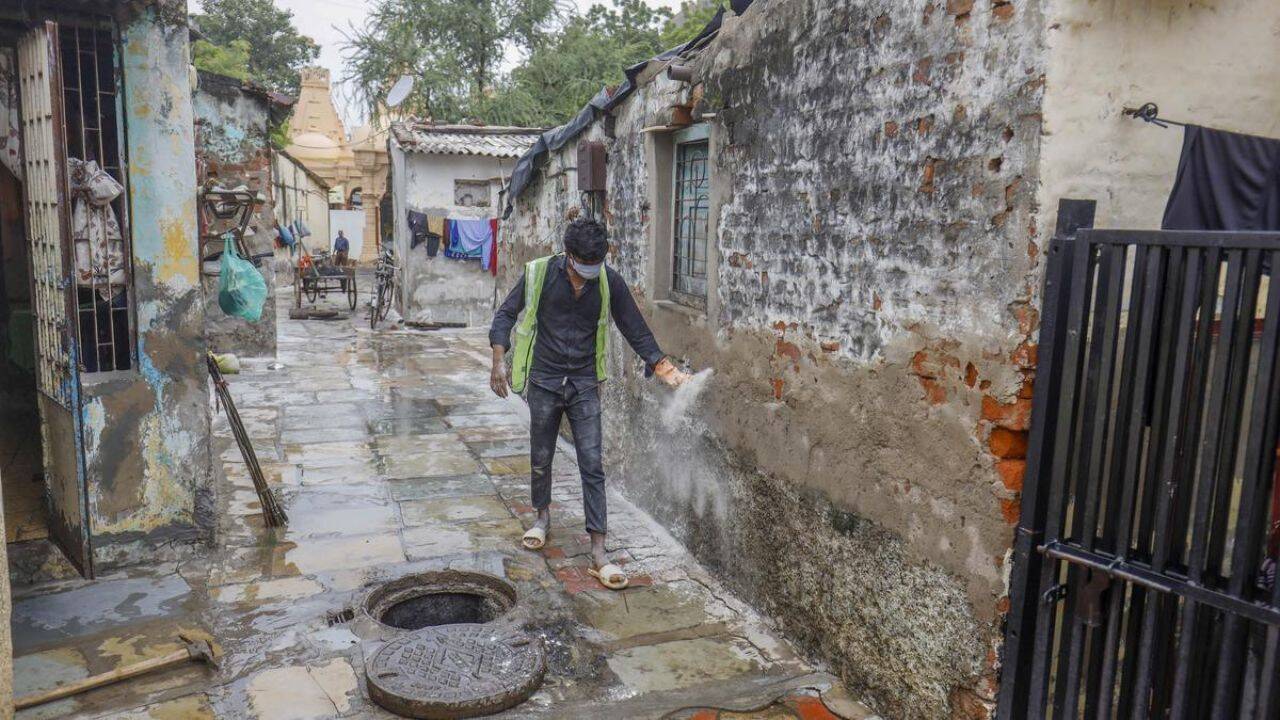
Gujarat Health Machinery Placed on High Alert Following Chandipura Virus Outbreak
Public health authorities in Gujarat have mobilized an urgent, state-wide response following a concerning surge in Chandipura virus (CHPV) infections. The outbreak, which has primarily impacted pediatric populations across the state, has resulted in 22 confirmed fatalities this monsoon season. As health officials scramble to contain the spread, the sudden escalation in cases has placed significant pressure on the regional healthcare infrastructure, prompting a state of high alert across all district medical facilities.
Understanding the Chandipura Virus and Its Transmission
The Chandipura virus is a member of the Rhabdoviridae family, the same viral family responsible for rabies. It is a zoonotic pathogen primarily transmitted through the bite of vectors such as sandflies, mosquitoes, and ticks. While the virus has been identified in India since the mid-1960s, its re-emergence during the current monsoon season has raised alarm due to its rapid progression and high case-fatality rate.
The virus is characterized by a sudden onset of symptoms, often mimicking other febrile illnesses common during the rainy season. Patients typically present with high-grade fever, vomiting, and altered sensorium, which can quickly escalate to convulsions and coma. Because the virus causes acute encephalitis—an inflammation of the brain—the window for medical intervention is extremely narrow. Experts note that the environmental conditions prevalent during the monsoon, including increased humidity and standing water, facilitate the rapid breeding cycles of the vectors responsible for spreading the infection, thereby exacerbating the risk to rural and semi-urban communities.
Why Pediatric Populations Face Heightened Vulnerability
Medical professionals have highlighted that children under the age of 15 are disproportionately affected by the Chandipura virus. This vulnerability is attributed to a combination of physiological and environmental factors. From a biological perspective, children often lack pre-existing immunity to the virus, making them more susceptible to severe neurological complications once infected. Furthermore, their developing immune systems may struggle to regulate the intense inflammatory response triggered by the viral invasion of the central nervous system.
Beyond the biological risks, lifestyle factors play a critical role in exposure. In many rural and peri-urban areas, children are more likely to engage in outdoor activities during the early evening hours—the peak activity time for sandflies. Housing structures with mud floors or gaps in walls, which are common in certain agricultural settings, provide ideal breeding grounds and resting places for these vectors. The combination of close proximity to livestock, which may act as a reservoir for the virus, and the lack of protective measures like bed nets or insect repellents, creates a high-risk environment for the youngest members of the community.
What This Means for Farmers
For the agricultural community in Gujarat, this outbreak serves as a stark reminder of the intersection between environmental management and public health. Farmers and rural residents are on the front lines of this crisis, and specific, actionable steps are necessary to mitigate the risk of infection within their households and operational areas.
- Vector Control in Livestock Areas: Since sandflies and other vectors often thrive in the organic matter found in animal sheds and cattle yards, maintaining high standards of sanitation is crucial. Regularly cleaning animal enclosures and ensuring proper drainage can significantly reduce the breeding sites for these insects.
- Housing Maintenance: Residents are advised to seal cracks in walls and floors, particularly in homes constructed with mud or thatch, as these provide harborage for vectors. Using lime plaster to seal crevices can be an effective and affordable deterrent.
- Personal Protection Strategies: During the peak monsoon season, it is recommended that children wear full-sleeved clothing and trousers when playing outdoors, especially during dusk and dawn. The use of insect repellents and the installation of fine-mesh window screens can provide an essential layer of physical defense.
- Early Symptom Recognition: Time is the most critical factor in treating Chandipura virus. Farmers should be hyper-vigilant regarding sudden fevers accompanied by vomiting or lethargy in children. Any sign of neurological distress—such as confusion, seizures, or loss of consciousness—requires immediate transport to the nearest secondary or tertiary care hospital. Do not rely on home remedies or delay clinical evaluation, as the virus can progress to a critical state within hours.
- Monitoring Local Advisories: Stay in close contact with local Primary Health Centres (PHCs) and village health workers. These professionals are currently receiving updated guidelines on surveillance and vector management; following their local guidance is the most effective way to protect the farming community from further outbreaks.