Gujarat Health Department Launches Massive Public Health Offensive Following Severe Flooding
In the wake of the unprecedented heavy rainfall that recently inundated large swathes of Gujarat, the state’s health department has mobilized a massive, multi-tiered response to mitigate the risk of waterborne and vector-borne disease outbreaks. Recognizing that the period immediately following a flood is a critical window for public health intervention, authorities have initiated a comprehensive strategy aimed at stabilizing conditions in rural and urban areas alike. By deploying thousands of medical professionals and establishing a widespread network of temporary care facilities, the state is attempting to preempt the secondary health crises that often follow significant hydrological disasters.
Infrastructure and Deployment: A State-Wide Mobilization
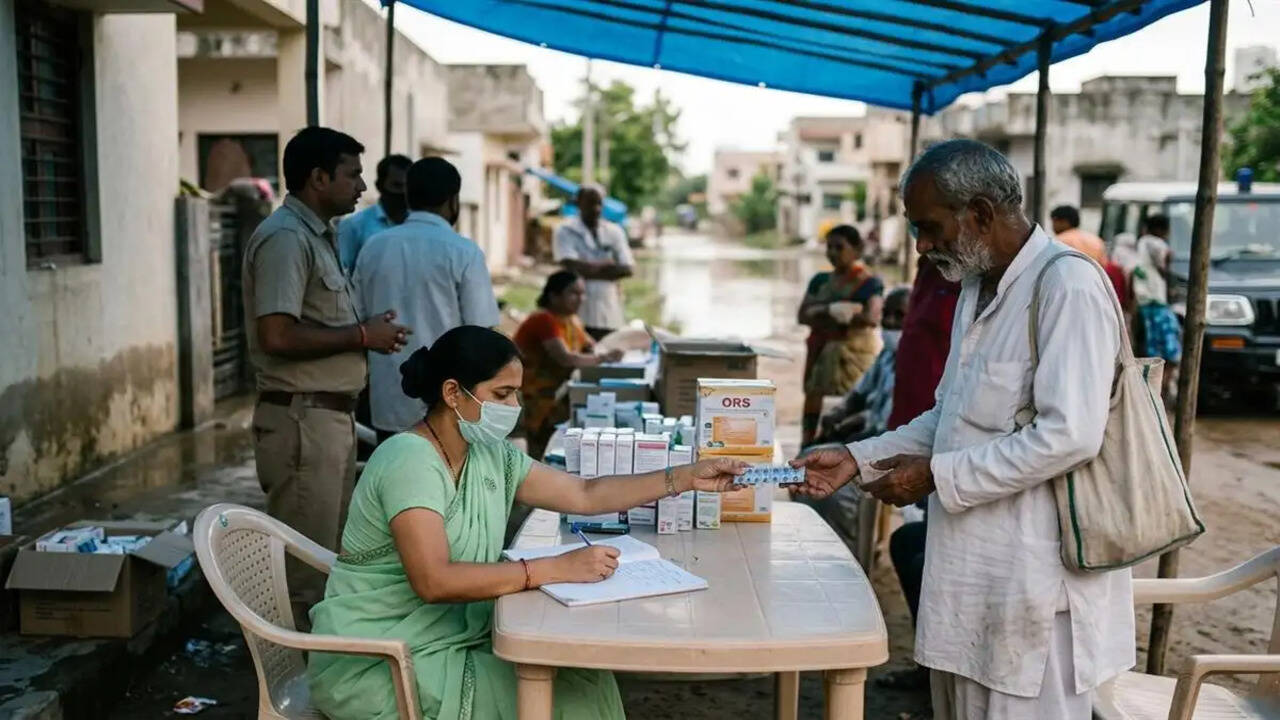
The scale of the intervention highlights the logistical challenges posed by the recent weather events. To bridge the gap between affected populations and essential healthcare, the health department has successfully operationalized nearly 7,000 medical camps. These sites serve as the frontline of defense, providing immediate access to diagnostics and treatment for those displaced by the rising waters. Supporting these camps are more than 18,000 specialized monitoring teams, which have been fanned out across the state to conduct door-to-door surveillance and identify early warning signs of illness.
The distribution of essential medical supplies has been prioritized to address the most immediate threats to community health. Millions of units of life-saving interventions—most notably chlorine tablets for water purification and Oral Rehydration Salts (ORS) to combat dehydration—have been disseminated to flood-stricken zones. These efforts are designed to safeguard the integrity of drinking water supplies, which are frequently compromised when floodwaters breach sanitation infrastructure and contaminate local wells and reservoirs.
Prioritizing Vulnerable Populations and Ongoing Surveillance
A central pillar of the health department’s strategy is the protection of the most vulnerable demographic groups. Recognizing that pregnant women face heightened risks during displacement, the department has prioritized the relocation of expectant mothers to secure, well-equipped health centers. This proactive measure ensures that prenatal care remains uninterrupted and that emergency obstetric services are readily available, reducing the risk of maternal and neonatal complications in unstable environments.
Furthermore, regular health screenings are being mandated within all relief camps. These screenings focus on identifying the onset of common post-flood ailments, such as leptospirosis, malaria, dengue, and gastrointestinal infections. By maintaining a constant presence in these camps, medical teams are able to provide rapid triage, ensuring that minor health issues do not escalate into public health emergencies. This clinical data is being aggregated in real-time to allow for the dynamic reallocation of resources to areas where disease incidence is showing a spike.
What This Means for Farmers
For the farming community, the aftermath of a flood involves more than just assessing crop damage and field inundation; it requires a heightened awareness of personal and livestock health. The current health initiative serves as a reminder that the risks to the agricultural workforce are significant during the recovery phase.
- Water Safety: Farmers must exercise extreme caution regarding water sources used for both human consumption and irrigation. The state’s distribution of chlorine tablets is a critical resource; ensure that all stagnant or potentially contaminated water sources are treated before use to prevent the spread of cholera and other waterborne illnesses.
- Livestock Management: Flood-affected livestock are highly susceptible to diseases like foot-and-mouth disease or septicemia. Farmers should utilize the state’s monitoring teams to request veterinary check-ups for their animals, as stagnant water is a breeding ground for pathogens that can decimate herd health.
- Personal Hygiene and Field Safety: When returning to fields to assess damage or begin clearing debris, protective gear is essential. Skin contact with floodwater can lead to infections, particularly if there are open wounds. Farmers are advised to take advantage of the medical camps for any skin irritations or unexplained fevers, as early detection is the most effective way to prevent a prolonged illness that could keep them away from essential field operations during the post-flood recovery window.
- Monitoring for Vectors: As water begins to recede, the prevalence of mosquitoes often spikes. Farmers should collaborate with local monitoring teams to ensure that their immediate living quarters and farmsteads are included in vector control and sanitation spraying efforts.