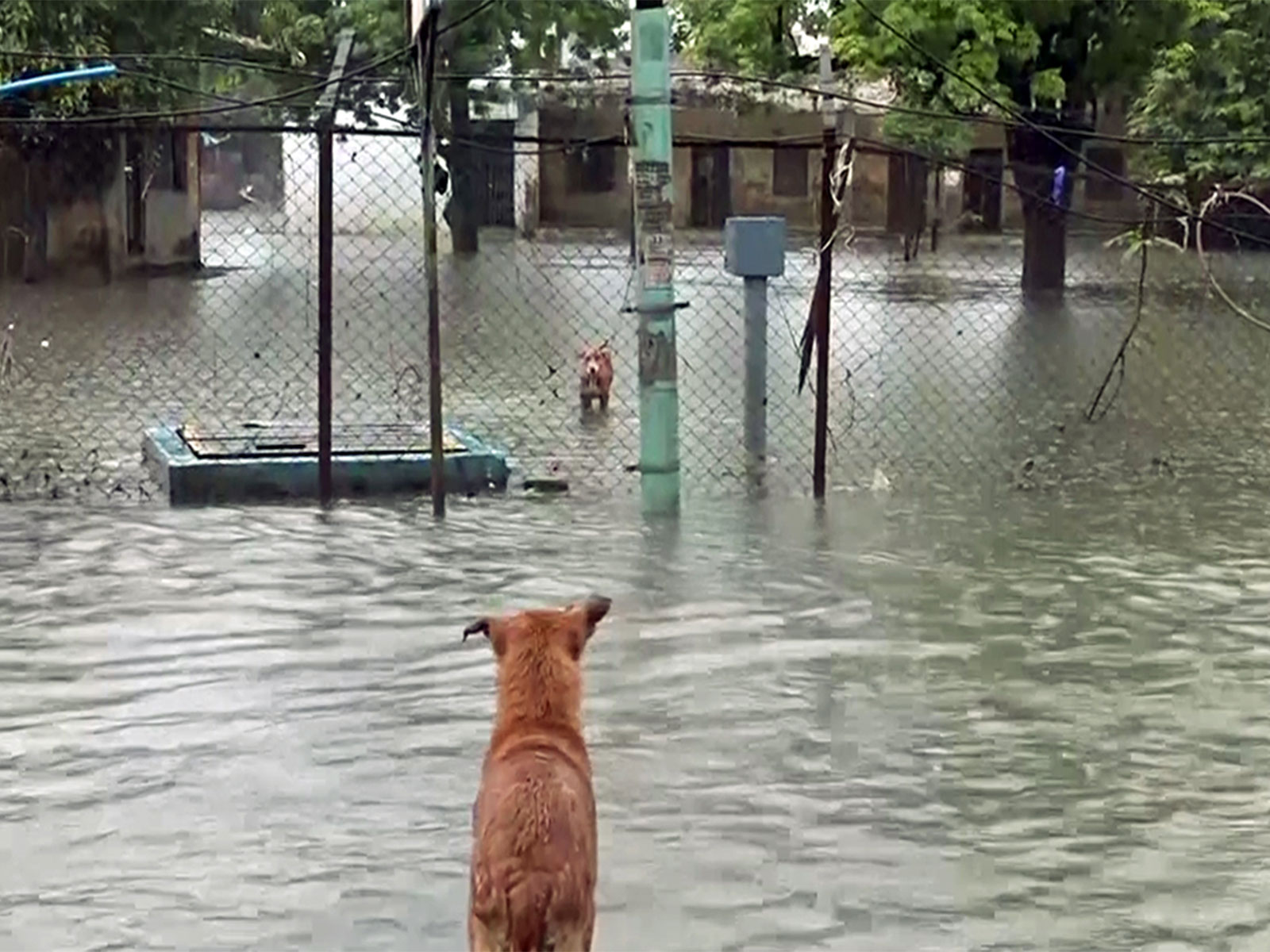
Gujarat Health Department Activates Comprehensive Monsoon Response Protocol
As the monsoon season intensifies across Gujarat, the state health department has officially activated its comprehensive Monsoon Action Plan. This strategic initiative is designed to ensure the continuity of essential healthcare services while simultaneously mitigating the risks of waterborne and vector-borne disease outbreaks that frequently accompany heavy precipitation and subsequent flooding. By maintaining a 24/7 operational readiness, the state aims to fortify its medical infrastructure against the logistical challenges posed by extreme weather events.
The state-wide directive mandates that all district health authorities remain in a state of high alert. This readiness protocol involves the deployment of rapid response teams equipped to handle medical emergencies in rural and urban areas alike. With heavy rainfall causing significant disruptions to transportation networks and infrastructure, the health department is prioritizing the maintenance of essential supply chains, ensuring that life-saving medications, diagnostic kits, and immunization stocks are adequately pre-positioned in vulnerable zones.
Strengthening Disease Surveillance and Public Health Infrastructure
A cornerstone of the Monsoon Action Plan is the rigorous monitoring of public health indicators. During periods of heavy, sustained rainfall, the risk of contamination in local water sources increases significantly, potentially leading to outbreaks of cholera, typhoid, and other gastrointestinal illnesses. To combat this, the state has directed district administrations to intensify water quality testing and chlorination efforts, particularly in low-lying regions prone to waterlogging.
Furthermore, the health department is scaling up surveillance for vector-borne diseases such as malaria, dengue, and chikungunya. Increased stagnant water provides ideal breeding grounds for mosquitoes, necessitating a proactive approach to vector control. This includes the systematic application of larvicides, public awareness campaigns regarding the removal of standing water around residential and agricultural properties, and the enhancement of diagnostic capabilities at primary health centers. By integrating real-time data collection with localized health interventions, the department aims to identify and contain potential clusters of infection before they escalate into widespread public health crises.
Maintaining Service Continuity in Rural and Agricultural Hubs
Ensuring that healthcare services remain accessible to the farming community is a primary objective of the current action plan. In rural Gujarat, where agricultural operations are in full swing, the health department is coordinating with local authorities to ensure that primary health centers and community clinics remain functional even if roads are temporarily compromised by flooding. This includes the deployment of mobile health units capable of reaching remote villages that might otherwise become isolated due to heavy rainfall.
The operational framework also emphasizes the importance of inventory management. By securing sufficient stocks of anti-venom, antibiotics, and emergency trauma supplies, the department is preparing for the secondary health risks associated with monsoon weather, such as snake bites and injuries occurring during field operations. This logistical foresight is intended to prevent gaps in care that can occur when supply routes are disrupted by the monsoon’s impact on regional connectivity.
What This Means for Farmers
For the agricultural community, the health department’s 24/7 readiness provides a critical safety net during a high-risk season. The practical implications and economic consequences for farmers include:
- Mitigation of Lost Productivity: By focusing on the prevention of waterborne disease outbreaks, the health department is helping to maintain a healthy workforce. Reducing the incidence of illness among farm laborers and family members ensures that critical agricultural tasks—such as weeding, pest management, and early-stage harvesting—can continue without significant interruptions.
- Improved Access to Emergency Care: With the activation of mobile health units and the pre-positioning of medical supplies, farmers in remote areas benefit from faster response times for medical emergencies, including snake bites and injuries sustained during monsoon-related field work.
- Emphasis on Sanitation and Water Safety: Farmers are strongly encouraged to cooperate with local health officials regarding water source safety. Ensuring that irrigation water is not cross-contaminated with drinking water supplies is essential for both human health and the safety of livestock.
- Economic Stability: Proactive disease management reduces the financial burden on farming households that might otherwise face high out-of-pocket medical expenses during the monsoon. By keeping the community healthy, the state is effectively protecting the rural economy from the compounding shocks of extreme weather and health-related productivity losses.
Farmers are advised to remain in contact with their local primary health centers and to report any signs of unusual illness or water quality concerns to district health authorities immediately. Engaging with these public health measures is a vital component of resilient agricultural management throughout the monsoon season.