Gujarat Health Department Mobilizes Statewide Response to Monsoon Challenges
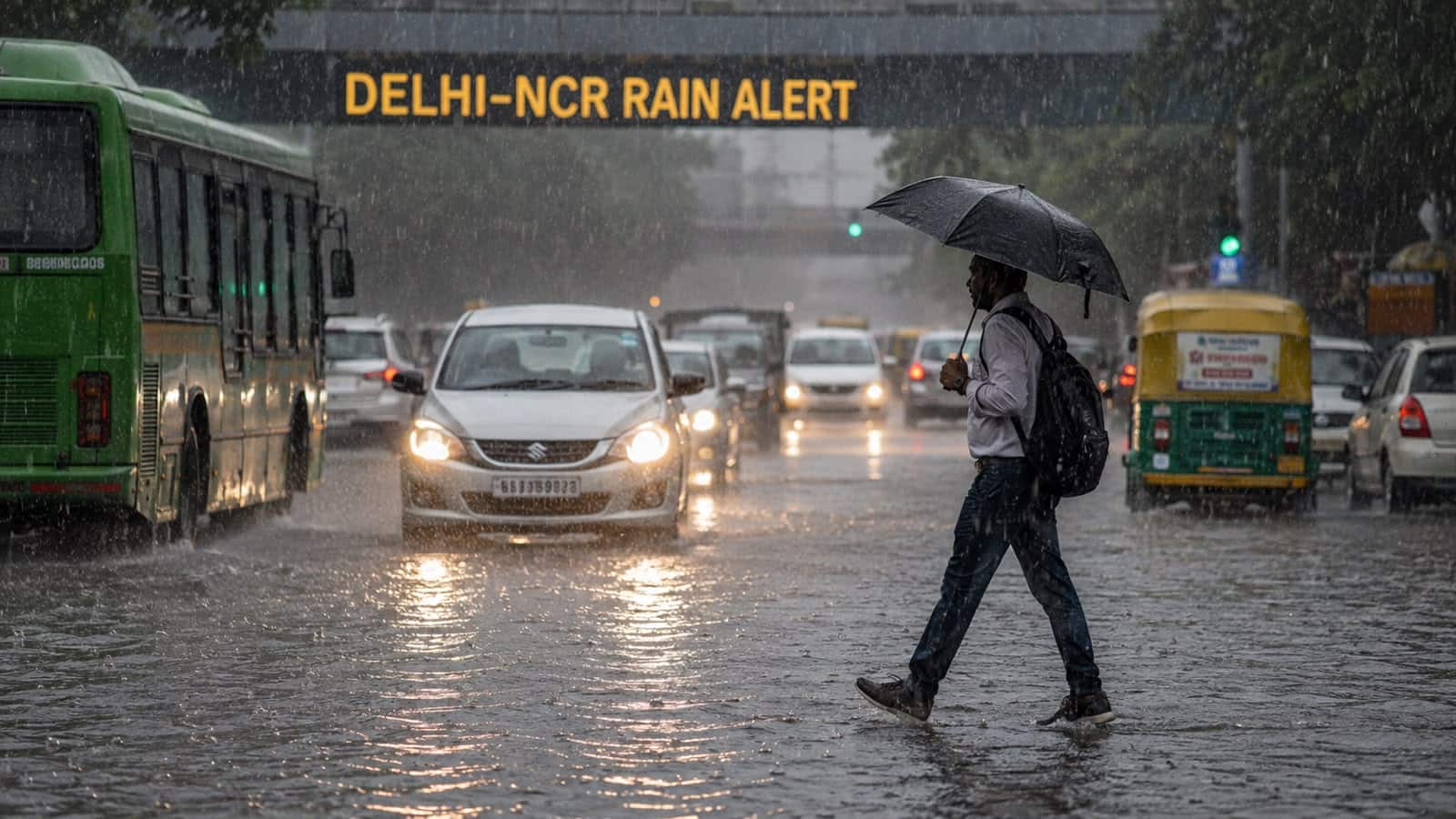
The Gujarat state government has officially activated its comprehensive Monsoon Action Plan following a period of intense and widespread rainfall across the region. In a coordinated effort involving all 34 districts and eight major municipal corporations, health authorities have transitioned into a high-alert status to mitigate the public health risks frequently associated with heavy precipitation and subsequent waterlogging.
The initiative, overseen by the Chief Minister’s office, represents a multi-tiered strategy designed to safeguard both rural and urban populations. As monsoon conditions fluctuate, the primary objective is to maintain continuity of care, prevent the outbreak of waterborne diseases, and ensure that relief infrastructure remains sanitary and equipped to handle the needs of displaced residents.
Strengthening Health Surveillance and Sanitation Infrastructure
The core of the government’s emergency response lies in the rigorous monitoring of health indicators across vulnerable geographies. With significant accumulation of water in low-lying agricultural plains and urban drainage systems, the risk of vector-borne and waterborne illnesses—such as malaria, dengue, and cholera—increases exponentially. To counter this, the Health Department has deployed mobile medical teams tasked with conducting regular health screenings, particularly within established relief camps.
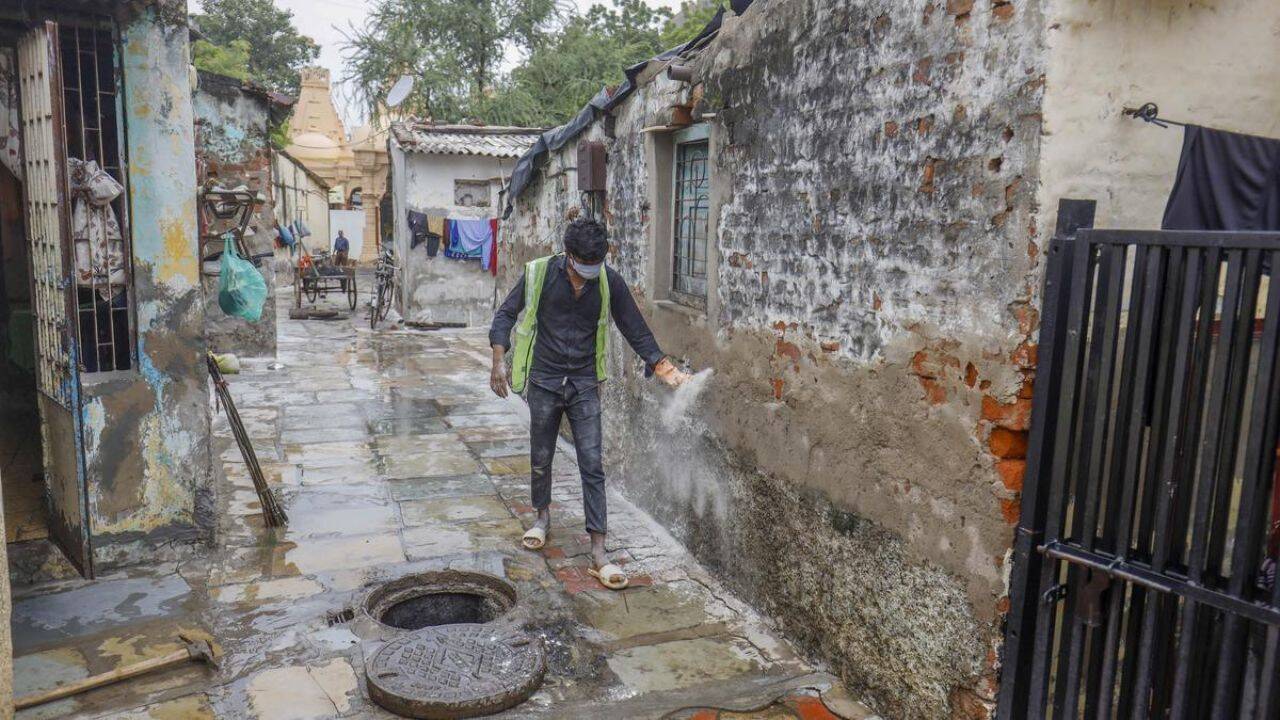
Beyond individual health assessments, the state is prioritizing the structural integrity of sanitation systems. Municipal corporations are coordinating with district health officers to ensure that potable water supplies remain uncontaminated by floodwaters. Chlorination efforts and the distribution of water purification tablets are being fast-tracked to rural communities where traditional water sources may be compromised by runoff from heavy rainfall.
Furthermore, the state has mandated the stockpiling of essential medications, anti-venom, and emergency medical supplies at primary health centers. This strategic positioning of resources is intended to reduce response times for medical emergencies, ensuring that even the most remote farming communities retain access to critical care despite potential disruptions to road connectivity caused by flooding.
Mitigating Risks to Livestock and Agricultural Safety
While the current focus is on human health, the agricultural sector remains a secondary priority under the broader disaster management framework. Heavy rainfall and sustained humidity create an environment conducive to the spread of livestock diseases, particularly foot-and-mouth disease and various parasitic infections that thrive in damp, stagnant environments. The state’s veterinary departments are working in tandem with health teams to advise farmers on managing livestock housing and maintaining dry, hygienic conditions for cattle and small ruminants.
Farmers are being urged to monitor their fields for signs of crop stress due to waterlogging, as excessive soil moisture can lead to root rot and other fungal pathogens. The coordination between the health department and agricultural extension services ensures that farmers receive timely advisories on how to protect both their assets and their personal health as they navigate the challenges of the monsoon season.
What This Means for Farmers
For the agricultural community, the activation of the Monsoon Action Plan serves as both a support mechanism and a call for heightened vigilance. The economic consequences of a public health crisis during the peak monsoon period can be severe, potentially leading to labor shortages and disruptions in the supply chain.
- Prioritize Livestock Hygiene: Ensure that cattle shelters are elevated and kept as dry as possible. Standing water in enclosures is a primary breeding ground for disease-carrying insects; draining these areas is essential to protecting herd health.
- Monitor Water Quality: With the risk of groundwater contamination increasing, farmers should prioritize boiling or chemically treating drinking water for both their families and their livestock.
- Utilize Local Health Resources: Farmers should not hesitate to contact their local primary health centers if symptoms of fever, gastrointestinal distress, or skin infections appear. Early reporting to the mobile health teams currently operating in districts is critical to preventing localized outbreaks.
- Protect Stored Harvests: Humidity levels are currently at their peak. Ensure that any stored grains or fodder are kept in moisture-proof conditions to prevent fungal growth, which can lead to significant post-harvest losses and potential toxicity issues for livestock.
- Stay Informed: Maintain contact with local agricultural extension officers for updates on state-provided veterinary support and any emergency subsidies or assistance programs that may be activated as the monsoon progresses.
By integrating these precautionary measures into their daily operations, farmers can significantly reduce the impact of the current weather patterns on their livelihoods and contribute to the overall resilience of the state’s rural health infrastructure.