Indroda Fort Restoration: Gandhinagar Looks to Preserve a Forgotten Chapter of Regional History
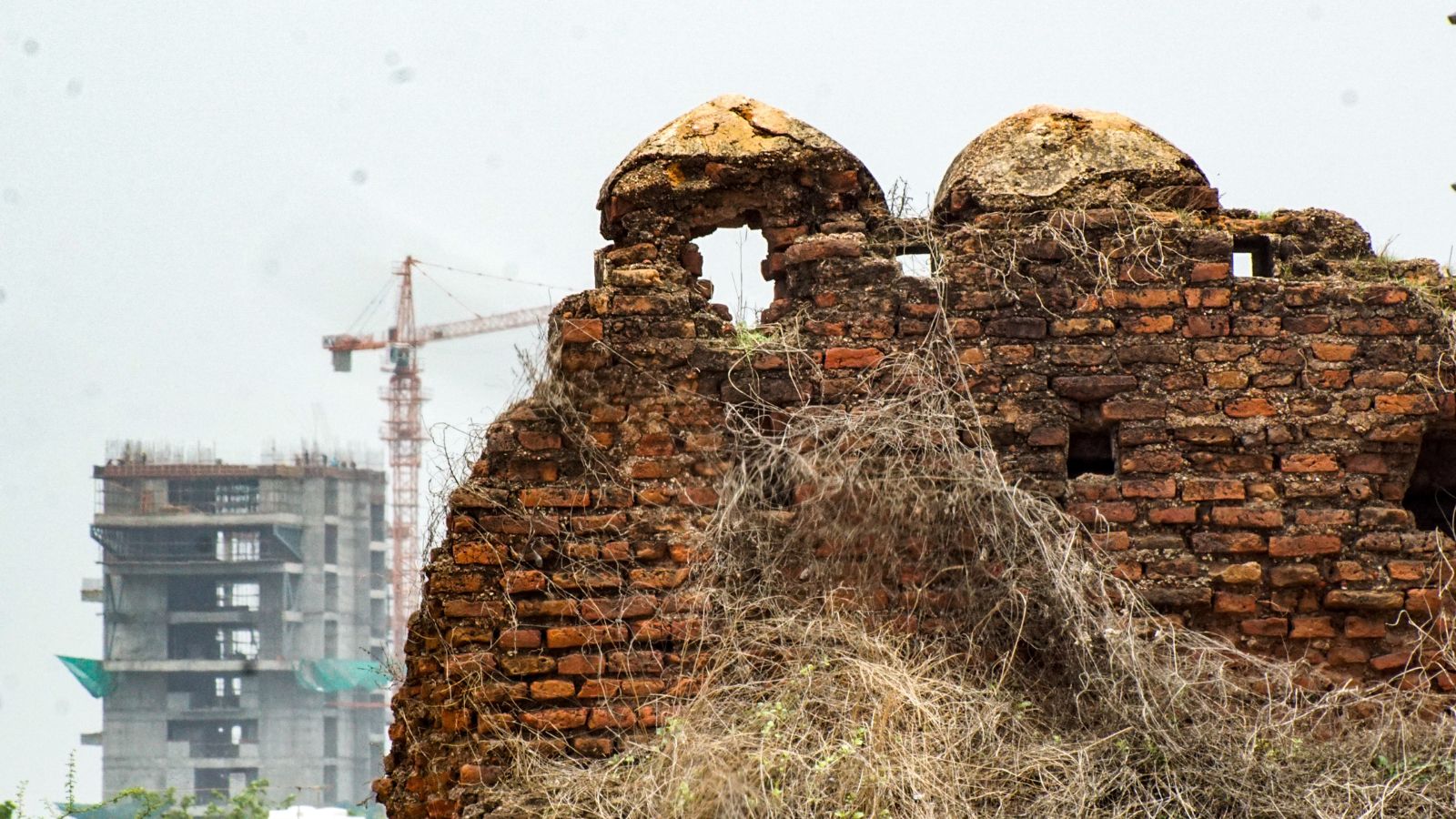
In the administrative heart of Gujarat, the state capital of Gandhinagar is turning its gaze toward its architectural past. For decades, the crumbling remnants of Indroda Fort have stood as silent, neglected sentinels on the banks of the Sabarmati River. Often overshadowed by the modern, grid-planned urban landscape of the capital city, the fort has largely faded from public consciousness. However, local authorities and heritage preservationists have recently signaled a concerted effort to restore the site, aiming to transform these dilapidated ruins into a landmark that bridges the gap between ancient regional narratives and contemporary cultural identity.
The history of Indroda Fort remains shrouded in mystery, with remarkably little formal documentation available in government archives. Unlike the prominent colonial or medieval structures that define the heritage tourism circuits of other Indian cities, Indroda exists in a state of historical obscurity. Piecing together the identity of the fort has become an exercise in oral history and archaeological deduction. Local lore suggests that the site served as a strategic outpost, likely utilized by regional chieftains to monitor trade routes and water access along the river. The ongoing project to restore the fort is as much an academic endeavor as it is a construction project, as researchers attempt to recover the lost stories embedded within its limestone and mortar.
Uncovering the Architectural and Cultural Significance
The restoration initiative is driven by the realization that Indroda’s structural decay represents a loss of regional heritage that cannot be reclaimed once the walls finally succumb to the elements. Experts involved in the project emphasize that the fort’s architecture reflects a vernacular style common to the semi-arid landscape of northern Gujarat. Its construction techniques—utilizing locally sourced stone and traditional lime mortar—offer valuable insights into the building practices of the era. By stabilizing these walls, authorities hope to prevent the further loss of the site’s historical footprint.
Beyond the bricks and mortar, the project seeks to honor the intangible culture associated with the site. Stories passed down through generations of local residents describe the fort not merely as a military fortification, but as a community hub that once facilitated interactions between river-faring traders and land-based agriculturalists. The restoration plan includes the development of interpretative paths and signage that will allow visitors to engage with these narratives. By contextualizing the fort within the broader history of the Sabarmati valley, the Gandhinagar administration hopes to cultivate a deeper sense of regional pride and historical literacy among the city’s growing population.
Challenges in Heritage Preservation
Restoring a site with minimal documentation presents significant technical hurdles. Traditional restoration requires a high degree of precision to ensure that new interventions do not damage the integrity of the original structure. Because there are no original blueprints or detailed historical records of the fort’s interior layout, conservationists must rely on non-invasive diagnostic tools, such as ground-penetrating radar and detailed site mapping, to understand the foundation and structural load-bearing capabilities. The challenge lies in balancing the need for structural safety—making the site accessible to the public—with the ethical requirement to preserve the fort’s "ruined" aesthetic, which serves as a testament to its long exposure to the elements.
Environmental factors also play a critical role. The proximity of the fort to the Sabarmati River means that soil erosion and seasonal moisture fluctuations are constant threats. Any restoration strategy must incorporate robust water management and drainage solutions to protect the foundation from further degradation. The project is expected to be a multi-phase endeavor, requiring collaboration between civil engineers, historians, and local community stakeholders to ensure that the restoration is both scientifically sound and culturally resonant.
What This Means for Farmers
While the restoration of Indroda Fort is primarily a cultural and urban development initiative, it carries significant implications for the surrounding agricultural community and the rural economy of the Gandhinagar periphery.
Increased Agritourism Opportunities: The development of the fort as a heritage site will likely increase foot traffic in the surrounding rural areas. Farmers in the vicinity have the potential to capitalize on this influx by establishing farm-to-table experiences, organic produce stands, or agro-based tourism ventures. As visitors flock to the fort, the demand for local, authentic experiences will grow, providing farmers with a secondary income stream that is not tied to commodity market fluctuations.
Infrastructure Development: Large-scale restoration projects often necessitate improvements to local road networks and public utilities. Farmers operating in the proximity of Indroda may benefit from upgraded logistics and better connectivity, which can reduce the costs associated with transporting perishable goods to urban markets. Improved access to the area can also facilitate better water management infrastructure, potentially benefiting irrigation systems in the immediate vicinity.
Heritage and Land Stewardship: The project serves as a reminder of the value of land-based assets. For the farming community, the preservation of the fort reinforces the importance of protecting historical and environmental landmarks on private or community land. It encourages a shift toward land stewardship that values long-term heritage and ecological health as much as short-term yield. Farmers should view such projects as an opportunity to engage with local government planners to ensure that regional development benefits the agrarian sector while safeguarding the historical integrity of the landscape.