Understanding the Chandipura Virus: An Emerging Threat in Rural Landscapes
The recent spike in Chandipura virus (CHPV) cases in Gujarat has prompted a swift response from state health authorities and public health experts. With reports indicating dozens of fatalities among children and a growing number of confirmed infections, the outbreak has highlighted the critical need for heightened surveillance in rural and semi-urban communities. While the Chandipura virus is not a new discovery, its sudden resurgence underscores the complex relationship between environmental factors, vector populations, and public health vulnerability.
Transmission Dynamics and Environmental Triggers
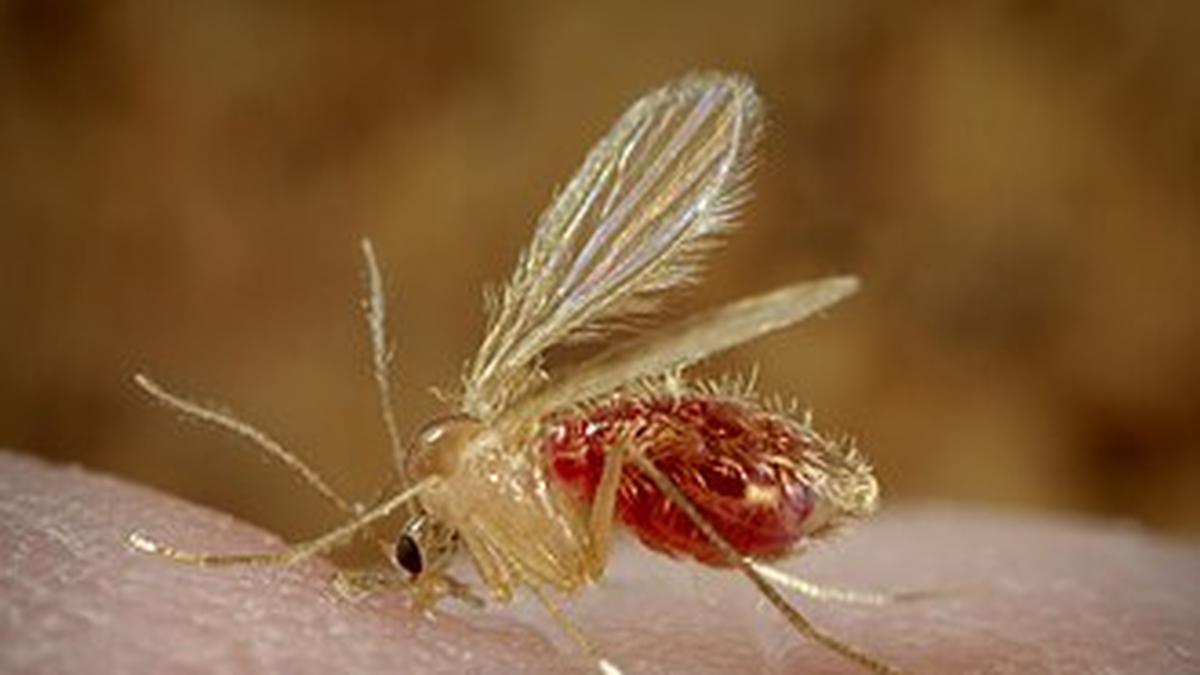
The Chandipura virus is a member of the Rhabdoviridae family and is primarily classified as an arbovirus, meaning it is transmitted through the bite of infected arthropods. In the case of CHPV, the primary vectors are sandflies, specifically those of the genus Phlebotomus. These insects thrive in specific environmental conditions—most notably in areas with high humidity, monsoon-related water accumulation, and the presence of organic debris.
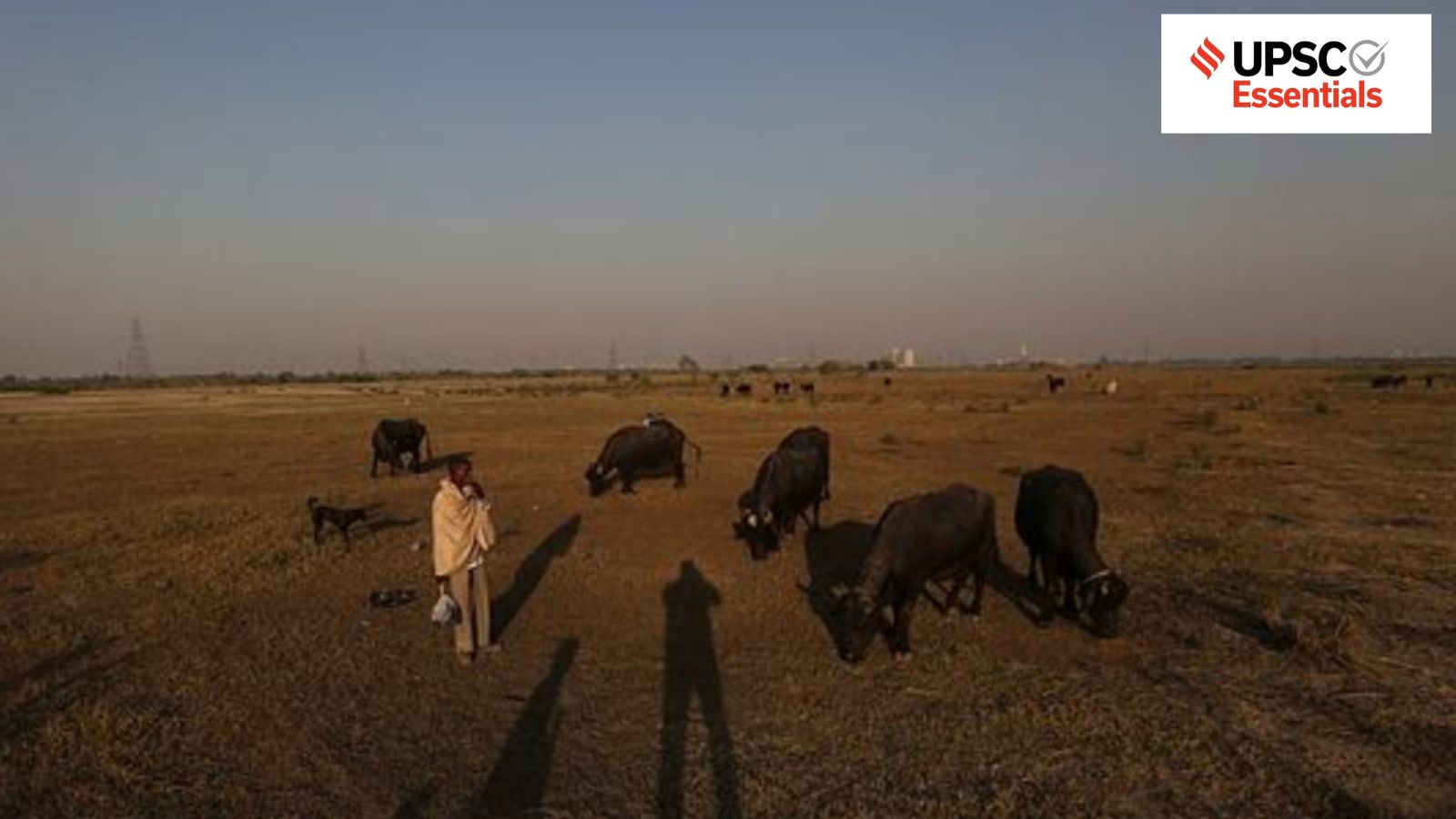
The virus cycles through the environment, often persisting in domestic animals or wild hosts before being transmitted to humans via the bite of an infected sandfly. Because these vectors frequently inhabit the cracks of mud-plastered walls, livestock sheds, and areas with poor ventilation, the virus often disproportionately impacts rural populations. The current outbreak has been particularly concerning due to its rapid onset and the specific susceptibility of children under the age of 15, who may be more frequently exposed to sandfly bites while playing or sleeping in environments where these vectors are active.
Clinical Presentation and Early Warning Signs
Recognizing the symptoms of Chandipura virus is essential for early clinical intervention, which can significantly influence patient outcomes. The virus is known for its rapid progression, often beginning with non-specific symptoms that can be easily mistaken for common seasonal illnesses. Initial warning signs typically include a sudden onset of high fever, followed by severe headaches and persistent vomiting.
As the infection progresses, it can affect the central nervous system, leading to neurological complications. Medical professionals warn that parents and caregivers should remain vigilant for signs such as altered sensorium, convulsions, or unexplained lethargy. Because the virus can lead to encephalitis—an inflammation of the brain—rapid diagnosis is critical. Currently, there is no specific antiviral treatment or vaccine for CHPV, meaning that medical management focuses on supportive care, such as fever management, hydration, and intensive monitoring to mitigate neurological damage.
What This Means for Farmers
For the agricultural community, the presence of the Chandipura virus serves as a stark reminder of the importance of integrated pest management and environmental hygiene within farmsteads and livestock housing.
- Sanitation of Livestock Quarters: Sandflies breed in organic matter and damp, dark crevices. Farmers are advised to maintain strict cleanliness in cattle sheds and animal enclosures. Regularly clearing manure, debris, and stagnant water can significantly reduce the breeding grounds for these vectors.
- Structural Improvements: Since sandflies often harbor in the cracks of mud walls, repairing and sealing these gaps—or using lime-based whitewash—can create a less hospitable environment for the insects.
- Personal Protection Strategies: During peak transmission seasons, particularly following monsoon rains, it is vital to protect children from insect bites. Utilizing bed nets, wearing long-sleeved clothing during dawn and dusk (when sandfly activity is highest), and employing safe, recommended insect repellents are practical steps to reduce exposure.
- Community Surveillance: Rural communities should maintain close communication with local health workers. If a cluster of sudden fevers occurs among children in a village, reporting these cases immediately to the nearest primary health center is crucial for containment efforts and early treatment.
- Economic Vigilance: While the virus does not directly impact crop yield, the health crisis it creates can disrupt labor availability and farm operations. Prioritizing the health of the family unit is the most essential aspect of sustainable farm management.
By integrating these preventative measures into daily agricultural routines, farmers can play a pivotal role in limiting the spread of the virus and safeguarding their families against this vector-borne threat.