Public Health Infrastructure Mobilized as Ahmedabad Battles Heavy Monsoon Inundation
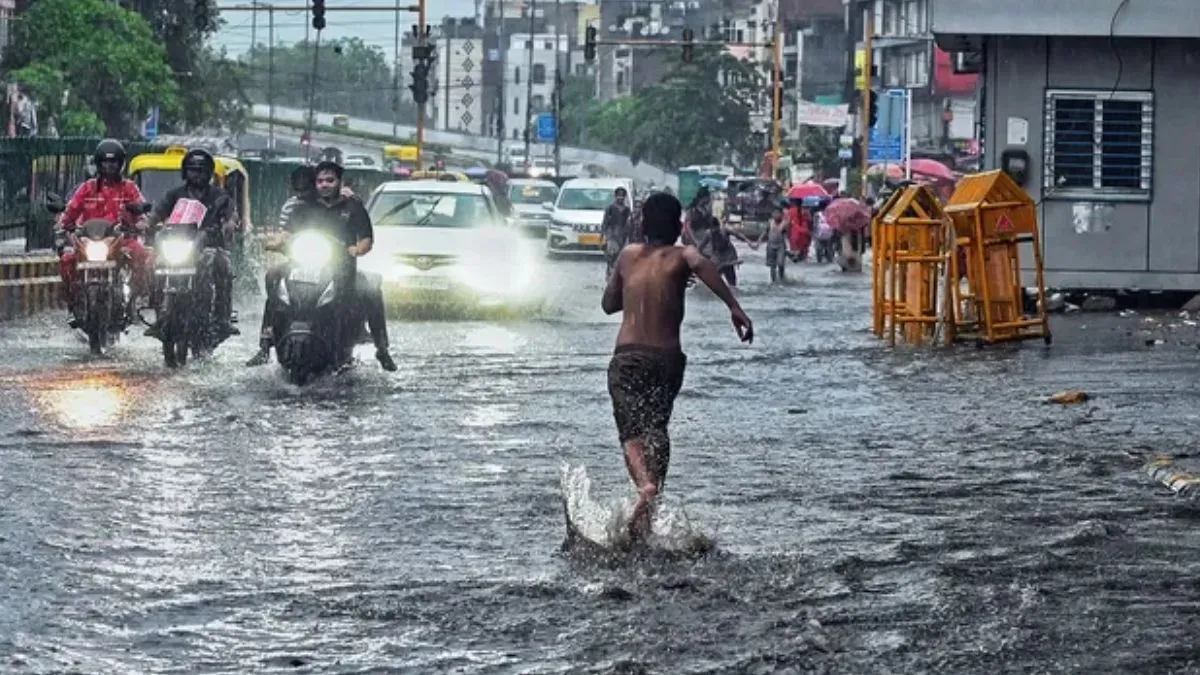
Following a period of relentless heavy rainfall that has triggered widespread flooding across Ahmedabad, local authorities have launched an aggressive public health campaign to mitigate the risks of waterborne diseases. The Ahmedabad Municipal Corporation (AMC) has transitioned into emergency mode, deploying 24/7 mobile medical teams to provide immediate healthcare access to residents in affected zones. This strategic response is designed to stabilize the public health situation as stagnant floodwaters threaten to create environmental conditions conducive to the rapid spread of pathogens.
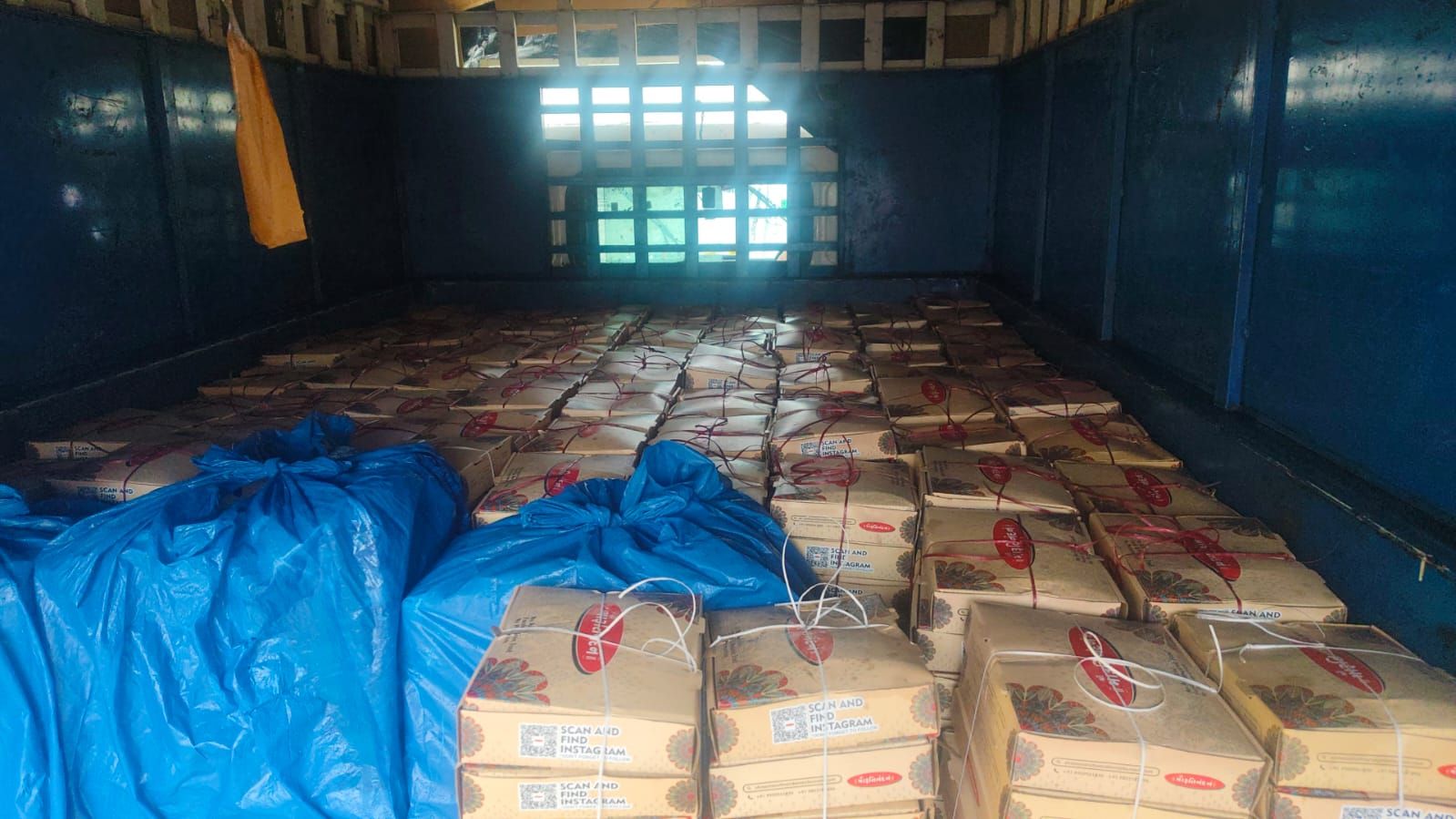
The primary concern for health officials in the wake of such significant rainfall is the contamination of local water sources. To combat this, the AMC has initiated a massive distribution drive, already delivering over 71,000 chlorine tablets to households and community centers. These tablets serve as a critical frontline defense, allowing residents to treat drinking water and prevent the onset of gastrointestinal illnesses and skin infections that typically surge in the aftermath of monsoon flooding.
Addressing the Surge in Waterborne Disease Risks
The intensity of the current monsoon season in Gujarat has overwhelmed municipal drainage systems, leading to prolonged waterlogging in both residential and peri-urban areas. When floodwaters infiltrate sewage networks or mix with household waste, the risk of outbreaks involving cholera, typhoid, and various diarrheal diseases rises exponentially. The decision by the AMC to deploy round-the-clock medical units is a proactive measure intended to provide rapid diagnostics and basic treatment before minor health complaints escalate into public health crises.
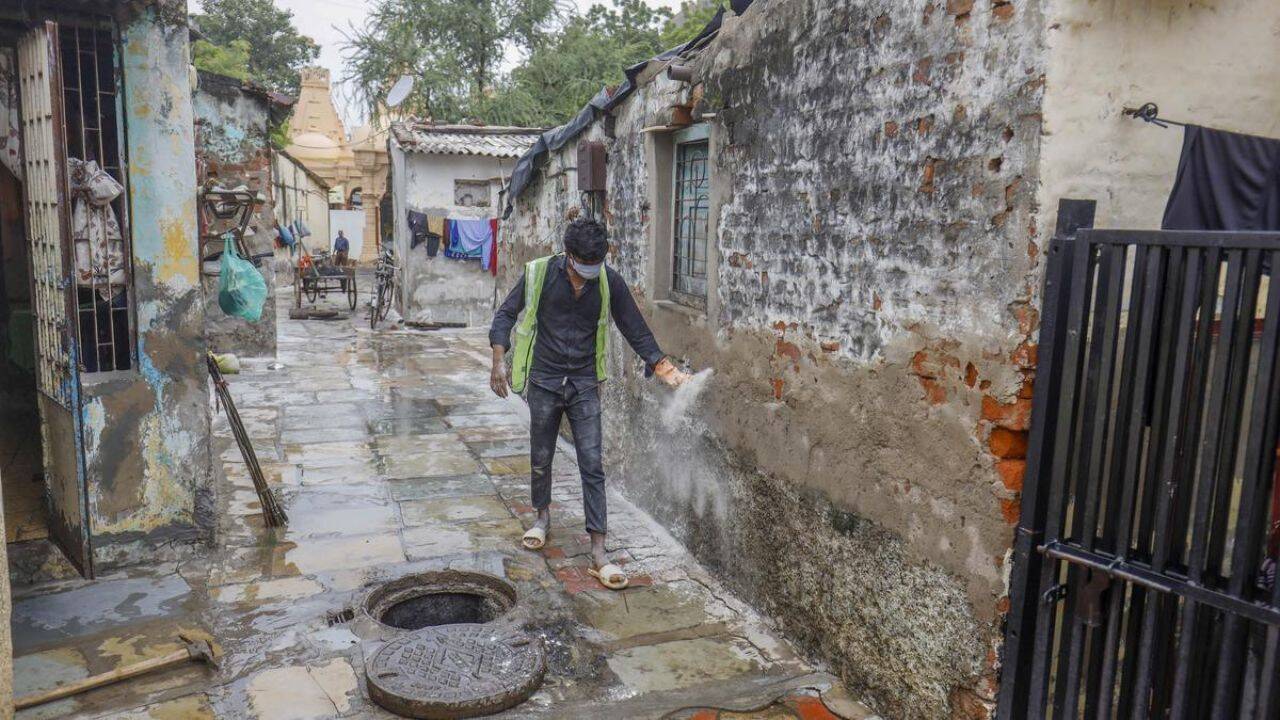
Beyond the distribution of chlorine tablets, public health workers are actively monitoring high-risk pockets of the city. These mobile teams are equipped to conduct field tests on water quality and provide localized medical consultations. By maintaining a constant presence in the field, the corporation aims to reduce the burden on major hospitals while ensuring that marginalized communities—who are often the most vulnerable to infrastructure failures—receive timely medical intervention. This synchronized approach highlights the importance of integrating emergency management with sustained public health outreach during extreme weather events.
Infrastructure Resilience and Long-Term Sanitation
While the immediate focus remains on emergency medical support, the situation in Ahmedabad underscores the ongoing challenge of urban resilience in the face of erratic climate patterns. The heavy rainfall has highlighted vulnerabilities in sanitation infrastructure, prompting calls for more robust water management strategies. Experts note that while chemical disinfection through tablets is effective in the short term, the long-term solution requires the modernization of stormwater drainage systems to prevent the mixing of clean water supplies with flood runoff.
In addition to medical intervention, local authorities have advised citizens to practice heightened hygiene standards, including boiling water where possible and reporting any unusual water discoloration to municipal offices immediately. The collaborative effort between the AMC and local health departments serves as a template for how urban centers must navigate the increasingly volatile monsoon cycles that now define the region’s agricultural and municipal landscape.
What This Means for Farmers
For the agricultural community in the outskirts of Ahmedabad and the broader Gujarat region, the current flooding event serves as a critical indicator of the risks associated with the ongoing monsoon season. Farmers should consider the following practical impacts and strategic adjustments:
- Water Quality Management: Farmers relying on groundwater or local ponds for irrigation must be vigilant. Flood runoff often carries pollutants and heavy microbial loads into agricultural water sources. If possible, test water quality before using it for irrigation, especially for vegetable crops that are consumed raw.
- Sanitation and Animal Health: Standing water is a breeding ground for vectors that transmit diseases not only to humans but also to livestock. Ensure that animal shelters are elevated and dry, and monitor livestock for signs of waterborne illness or foot rot, which are common after periods of prolonged moisture.
- Crop Protection: High humidity and waterlogged soil are ideal conditions for fungal pathogens. Farmers should scout fields for signs of root rot or leaf blight and consult with local agricultural extension offices regarding the application of fungicides if weather conditions allow.
- Supply Chain Disruptions: Flooding often leads to the closure of local transport routes. Farmers should anticipate potential delays in the delivery of inputs like fertilizers and seeds, as well as challenges in transporting perishable produce to urban markets. Plan for short-term storage and prioritize the harvest of crops that are sensitive to excessive moisture.
- Community Coordination: Use the municipal health response as a model for rural areas. Ensure that local village councils have access to water purification supplies and that there is a clear communication channel between rural health workers and district agricultural offices to report any unusual clusters of disease in either humans or livestock.