Gujarat Health Department Accelerates Vector-Borne Disease Surveillance Amid Monsoon Peak
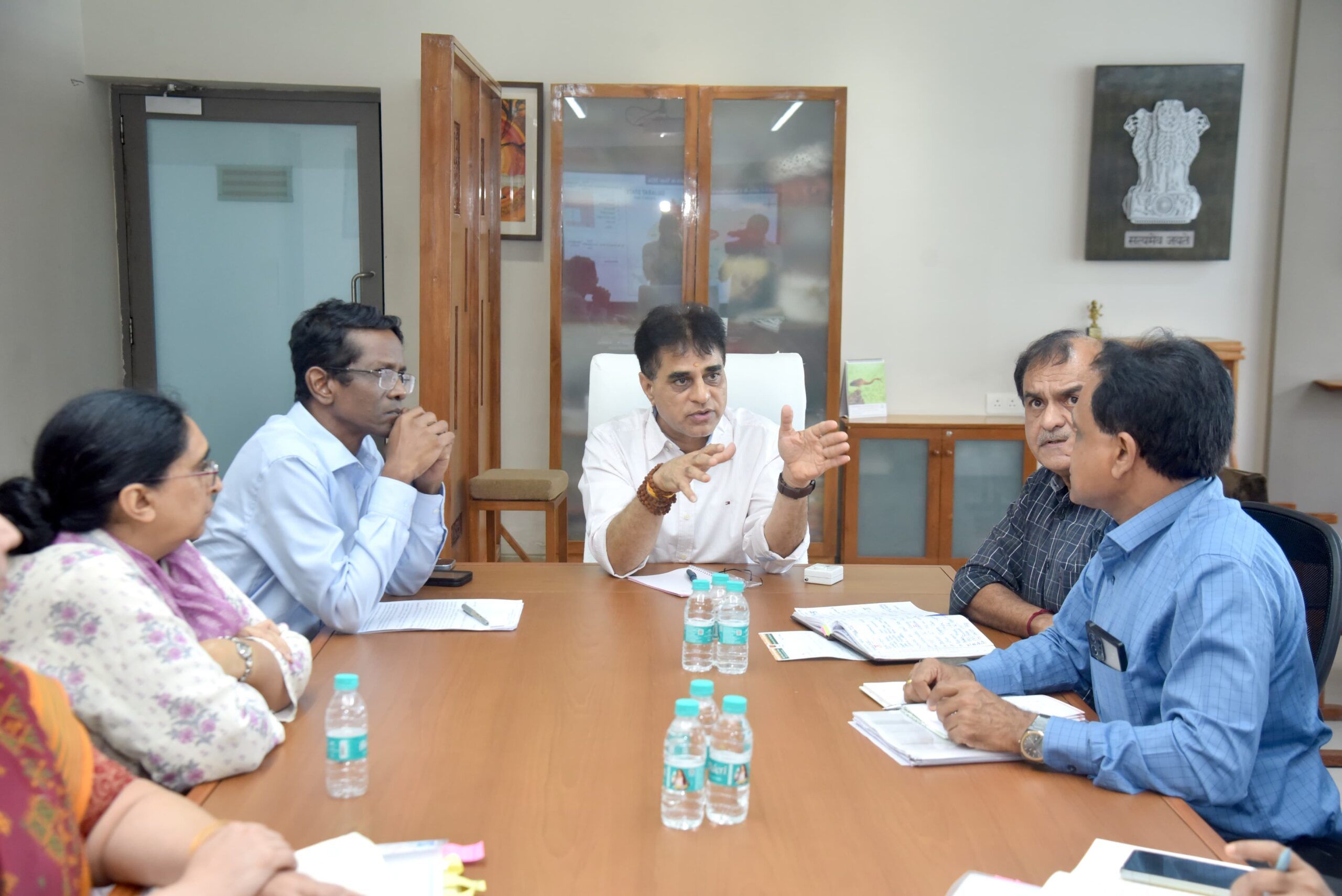
The Gujarat Health Department has launched a massive, state-wide mobilization effort to combat the seasonal surge in vector-borne diseases. With the monsoon season currently in full swing, state health authorities have confirmed the completion of over 94 lakh malaria tests across the region. This unprecedented volume of diagnostic screening underscores a strategic shift toward aggressive, proactive surveillance designed to identify and isolate transmission hotspots before they escalate into widespread outbreaks.
The initiative, centered in Gandhinagar, involves the deployment of more than 19,500 health personnel tasked with field-level monitoring, patient screening, and community outreach. By prioritizing early detection, the department aims to mitigate the burden on rural and urban healthcare infrastructure, ensuring that residents have timely access to antimalarial treatment while simultaneously controlling the vector population through targeted environmental interventions.
Advanced Diagnostic Strategies and Field Operations
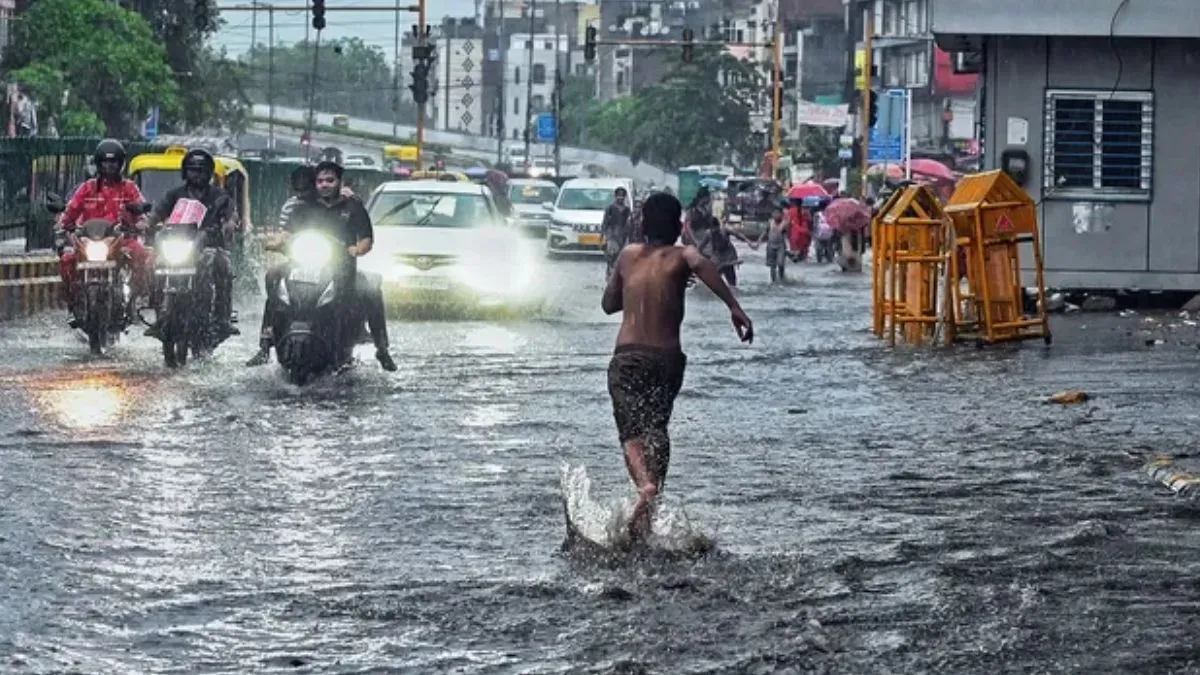
The scale of the current testing campaign represents a significant logistical undertaking. Health officials have integrated rapid diagnostic kits with conventional laboratory analysis to ensure that testing reaches even the most remote agrarian communities. This dual-track approach is critical during the monsoon, as humidity and stagnant water create ideal breeding conditions for the Anopheles mosquito, the primary vector for malaria.
Beyond individual testing, the health department’s strategy focuses heavily on source reduction. Field teams are working in tandem with local municipal bodies to identify and eliminate water stagnation points—such as clogged drainage, discarded containers, and poorly managed irrigation channels—that serve as nursery grounds for mosquito larvae. The integration of data from these 94 lakh tests is allowing regional health officers to map disease clusters with high precision, enabling the reallocation of personnel and resources to "hot zones" where transmission rates are statistically higher.
Integrated Vector Management and Community Engagement
The success of this surveillance program relies heavily on the collaboration between the state health machinery and the farming community. Vector control is not merely a clinical task; it is an environmental management challenge. Health workers are currently distributing insecticide-treated bed nets and conducting indoor residual spraying in high-risk zones, particularly in areas where agricultural workers reside in close proximity to standing water bodies.
Public awareness campaigns have also been ramped up to educate the rural population on the importance of early symptom recognition. By encouraging farmers and laborers to seek testing immediately upon experiencing fever or chills, the state is attempting to break the chain of transmission. This proactive engagement is essential, as the symptoms of malaria often mirror those of other seasonal illnesses, potentially leading to delays in treatment that can have severe health consequences for the labor force.
What This Means for Farmers
For the agricultural community in Gujarat, the intensification of these health measures has several direct implications:
- Labor Productivity: Vector-borne diseases are a significant cause of absenteeism during the critical kharif planting and weeding seasons. By minimizing the spread of malaria, these surveillance efforts help maintain a healthy, consistent workforce, which is vital for seasonal agricultural operations.
- Economic Stability: Proactive medical screening reduces the risk of long-term health complications for laborers. Maintaining the health of the workforce prevents the sudden loss of labor during peak harvest or sowing periods, which can otherwise lead to significant financial losses for farm owners.
- Farm Management Practices: Farmers are encouraged to pay close attention to irrigation management. Ensuring that water flows freely and does not remain stagnant in fields or surrounding areas is a simple but effective way to discourage mosquito breeding.
- Access to Services: With over 19,500 health workers in the field, farmers should utilize these resources to report health concerns. If health teams are active in your area, cooperate with their screening procedures to ensure early detection and prevent the localized spread of infection within your village or farming cooperative.
- Long-term Health Awareness: The current state-wide effort serves as a reminder that environmental sanitation is an extension of good farm management. Keeping farm premises clean and eliminating breeding sites is the most effective, low-cost preventive measure against vector-borne diseases.