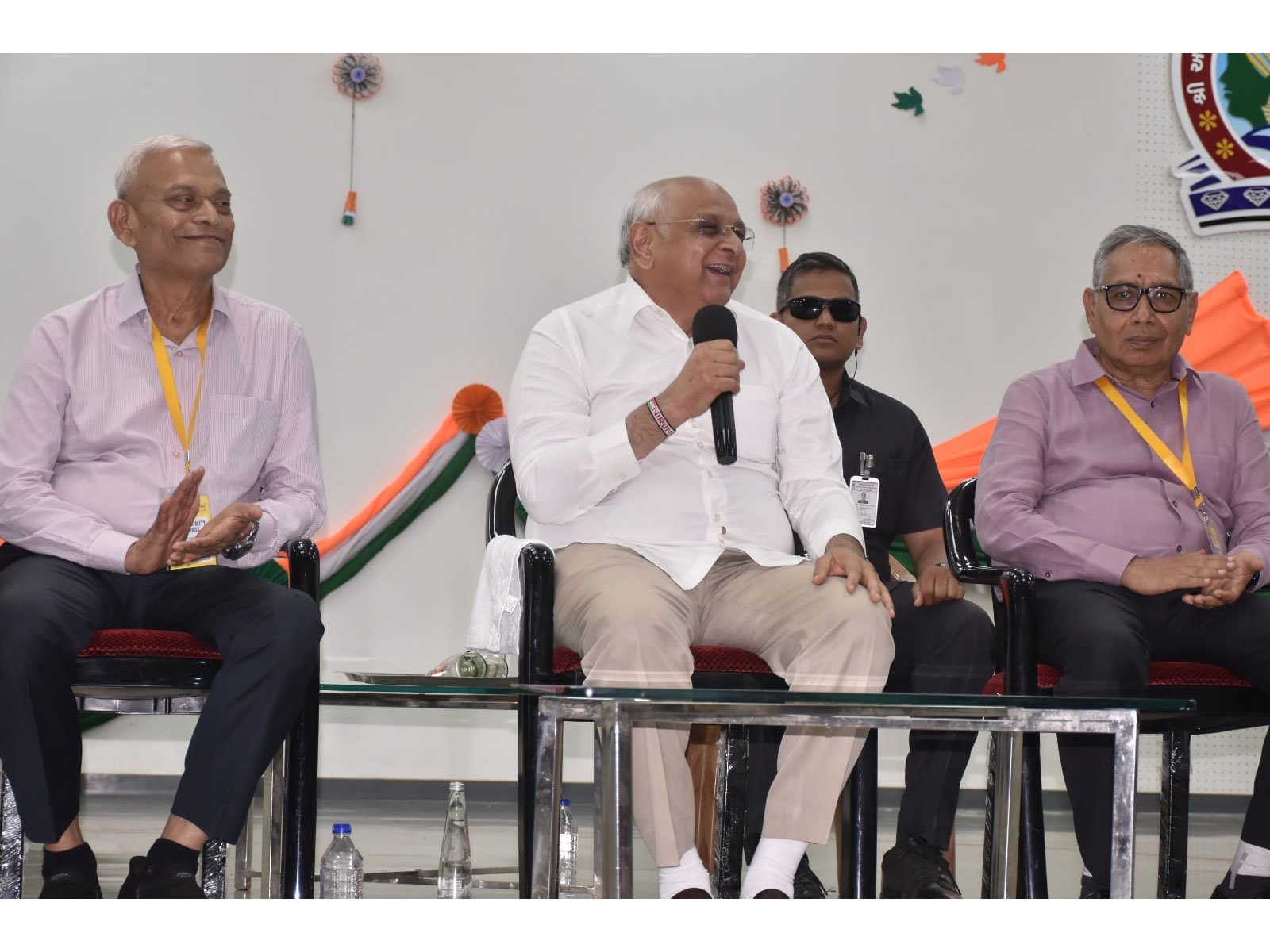
Empowering Rural Leadership: Gujarat CM Calls for Increased Female Representation in Governance
The landscape of Indian governance is undergoing a significant transition, with a renewed focus on the integration of women into the legislative process. Gujarat Chief Minister Bhupendra Patel recently issued a compelling call to action, emphasizing that the active participation of women in law-making is not merely a matter of equity, but a fundamental necessity for robust national development. By championing the recent legislative milestones that secure a 33 percent reservation for women in the Lok Sabha and State Legislative Assemblies, the Chief Minister has signaled a shift toward a more inclusive democratic framework that holds particular relevance for the agricultural sector.
The Intersection of Policy and Agricultural Development
In the context of Indian agriculture, where women constitute a significant portion of the workforce—ranging from land management and livestock rearing to post-harvest processing—the move to increase female representation in legislative bodies is seen as a strategic pivot. Historically, the voices of rural women have often been peripheral to the major policy decisions that dictate market prices, irrigation infrastructure, and subsidy allocations. With the implementation of the 33 percent reservation mandate, there is a clear pathway for women to transition from agricultural labor to policy influence.
Advocates for this shift argue that women in decision-making roles are more likely to prioritize issues such as water security, sustainable farming practices, and the strengthening of rural support networks. As these women assume roles in legislative assemblies, they bring a granular understanding of the field-level challenges that often escape the notice of conventional policy planners. This, in turn, is expected to foster a more responsive governance model where agricultural schemes are better aligned with the actual needs of farming households.
Strengthening the Grassroots-to-Legislative Pipeline
The Gujarat Chief Minister’s emphasis on law-making is part of a broader discourse on strengthening the democratic pipeline. For many rural women, the journey to legislative participation begins at the local government level, through Panchayat Raj institutions and cooperative societies. By fostering leadership at the grassroots, the state aims to create a cadre of experienced women who are prepared to navigate the complexities of state and national legislation.
This initiative is also being viewed through the lens of economic resilience. When women participate in the legislative process, they contribute to a more diversified approach to economic development. Their involvement in policy discussions often results in a greater emphasis on value-addition in agriculture, the promotion of self-help groups (SHGs), and the adoption of modern agricultural technology. As these policies take root, the expectation is that the agricultural sector will benefit from a more holistic approach that balances commercial profitability with social welfare and environmental sustainability.
What This Means for Farmers
The push for greater female representation in law-making carries several direct implications for the farming community:
- Direct Advocacy for Rural Needs: Farmers can expect that a higher number of female legislators will lead to a more intense focus on rural infrastructure, including better access to cold storage, reliable electricity, and improved irrigation networks, which are essential for smallholder success.
- Refined Policy Formulation: With more women involved in drafting agricultural legislation, there is a strong likelihood of policies that better address the specific challenges faced by women farmers, such as easier access to credit, land ownership rights, and specialized training in climate-resilient farming techniques.
- Increased Economic Stability: By diversifying the legislative body, the agricultural policy environment becomes more stable and representative. Farmers are encouraged to engage with their local representatives, regardless of gender, to ensure that their specific regional concerns—such as pest management, seed quality, and market access—are effectively communicated to the decision-makers in the capital.
- Long-term Structural Shifts: Farmers should anticipate a gradual shift toward more inclusive agricultural programs. It is advisable for farming cooperatives and producer organizations to actively support female leadership within their own ranks, as these individuals will be the most effective conduits for influencing future legislation and ensuring that the needs of the agricultural sector remain a top priority at the national level.