Gujarat Sets Ambitious 2047 Roadmap: Integrating Technology and Rural Empowerment for a Developed State
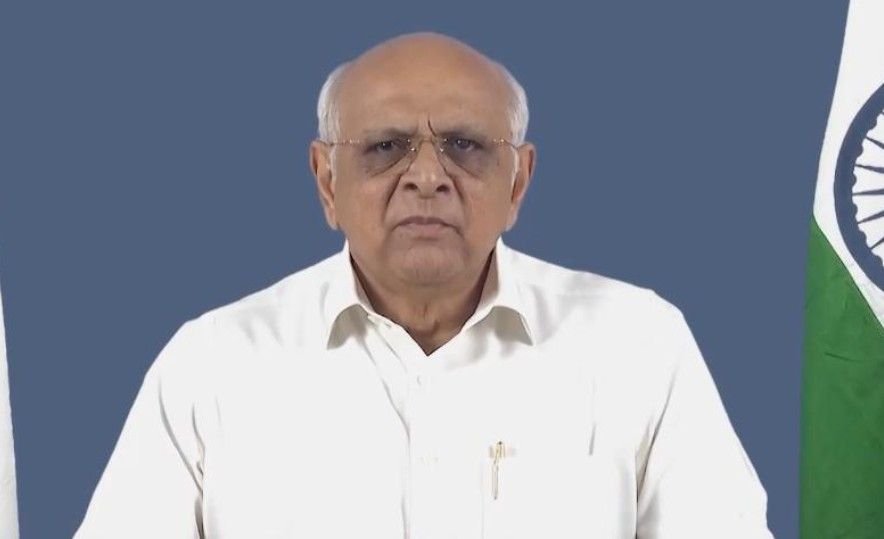
As India approaches its centenary of independence, the state of Gujarat has positioned itself at the vanguard of national development goals. In a recent address delivered in Gandhinagar, Chief Minister Bhupendra Patel outlined a comprehensive vision for a “Viksit Gujarat for Viksit Bharat” (Developed Gujarat for a Developed India). The roadmap, which targets the year 2047, emphasizes a strategic pivot toward integrating advanced technology, fostering greater economic participation for women, and ensuring inclusive, sustainable growth across both urban and rural landscapes.
The Chief Minister’s message underscores a fundamental shift in state policy, moving away from traditional industrial growth models toward a framework that prioritizes innovation, digital literacy, and the empowerment of the agricultural and artisanal workforce. By aligning state-level initiatives with national long-term objectives, the administration aims to create a robust economic environment capable of navigating the complexities of a globalized, climate-conscious market.
Technology as the Catalyst for Agricultural and Industrial Evolution
Central to the 2047 vision is the aggressive adoption of technology to modernize the state’s economic engines. For Gujarat, which maintains a strong footprint in both manufacturing and high-value agriculture, this means bridging the gap between cutting-edge research and field-level implementation. The state government is looking to accelerate the deployment of precision farming tools, artificial intelligence in supply chain management, and smart irrigation systems to optimize resource efficiency.
The push for technological integration is not limited to large-scale industrial projects. The administration is focusing on creating a digital ecosystem that reaches the grassroots level. This involves scaling up infrastructure for rural connectivity, which is essential for farmers to access real-time market data, weather forecasting, and digital payment platforms. By fostering an environment where technology is accessible to the smallholder farmer, the state intends to increase crop yields, reduce post-harvest losses, and improve the overall quality of agricultural output, thereby enhancing the competitive edge of Gujarat’s produce in both domestic and international markets.
Empowering Women as Economic Drivers
A significant pillar of the development agenda is the focus on women’s economic participation. Recognizing that inclusive growth cannot be achieved without the full involvement of the female workforce, the government is incentivizing programs that promote female entrepreneurship and skill development. In the agricultural sector, this transition involves supporting women-led cooperatives, enhancing their access to credit, and providing training in modernized agri-business techniques.
By shifting the narrative from women as beneficiaries to women as primary stakeholders and economic drivers, the state aims to unlock significant untapped potential. This initiative encompasses vocational training in sustainable farming practices, value-added processing of farm products, and the integration of women into the formal digital economy. The focus is on creating a supportive policy framework that lowers barriers to entry for women-led enterprises, ensuring that the economic transition of 2047 is equitable and representative of the entire population.
What This Means for Farmers
For the farming community in Gujarat, these policy signals indicate a long-term transition toward a more modernized, technology-driven, and inclusive agricultural sector. Farmers should prepare for several key shifts in the coming years:
- Increased Emphasis on Digital Literacy: Future government subsidies and support schemes are likely to be routed through digital platforms. Farmers are encouraged to familiarize themselves with mobile-based agricultural portals and digital banking to ensure seamless access to state benefits.
- Focus on Value Addition: The drive toward industrial integration suggests that farmers who engage in post-harvest processing—such as grading, sorting, and packaging—will find more lucrative market opportunities. Exploring cooperative models for value addition can help farmers capture a larger share of the value chain.
- Resource Management: With technology taking center stage, there will be a continued push toward sustainable water usage and soil health management. Adopting precision irrigation and soil testing protocols will not only be an agronomic necessity but likely a prerequisite for future government-backed agricultural incentives.
- Inclusive Access: For rural households, the focus on gender-inclusive growth means more opportunities for women members of the family to participate in formal agricultural business structures. Strengthening the role of women in farm management and financial decision-making will likely be an advantage when applying for state-sponsored development grants and training programs.
Ultimately, the 2047 roadmap signals a departure from business-as-usual. Farmers who proactively align their operations with these goals—by embracing technology, pursuing value-added production, and fostering inclusive business practices—will be best positioned to thrive in the developing landscape of Gujarat’s future economy.