Gujarat Government Announces Rs 3,850 Crore Infrastructure Injection for Urban Development
In a significant move aimed at bolstering infrastructure and enhancing the quality of life in urban centers, Gujarat Chief Minister Bhupendra Patel has officially distributed Rs 3,850 crore to various municipal bodies across the state. This substantial financial allocation is designed to accelerate the rollout of citizen-centric amenities, ranging from improved sanitation and waste management to the modernization of public spaces. The initiative marks a strategic shift toward strengthening the backbone of urban governance, ensuring that local municipal corporations and councils are well-equipped to manage the pressures of rapid urbanization.
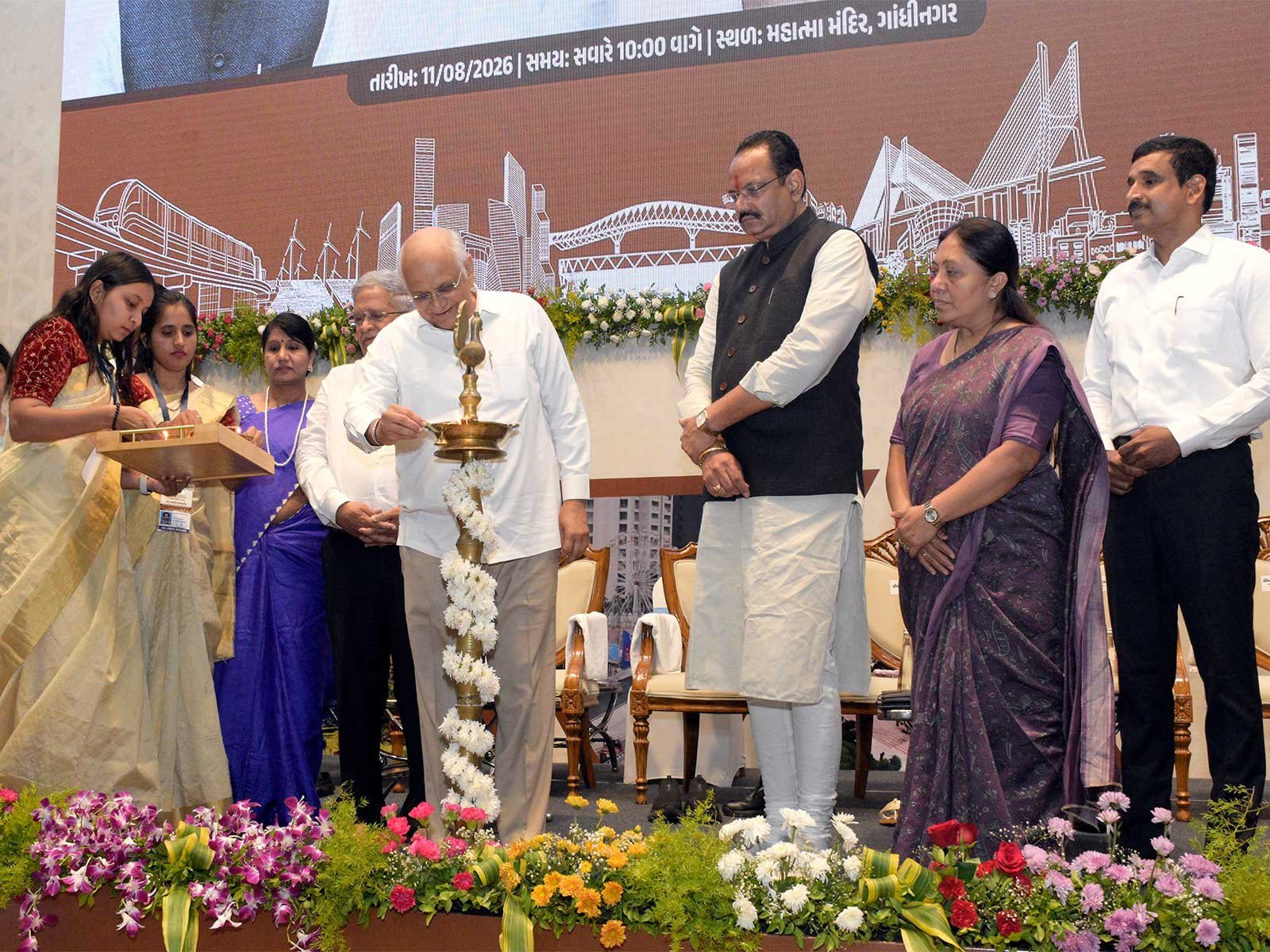
The distribution event, held in the presence of state administrative officials and urban development stakeholders, underscored the government's commitment to decentralized growth. By empowering local municipal bodies with direct funding, the state administration aims to reduce bureaucratic bottlenecks that often delay critical infrastructure projects. The Chief Minister highlighted that the primary objective of this disbursement is to foster "Ease of Living" for urban dwellers while ensuring that the infrastructure developed today remains sustainable for the needs of future generations.
Strategic Priorities for Urban Infrastructure Development
The allocated funds are earmarked for a wide array of developmental projects, with a strong emphasis on sustainability and long-term utility. Modernizing urban infrastructure is a multi-faceted challenge, and the state government has identified several key areas where this capital infusion will be directed. These include the upgrading of underground drainage systems, the expansion of clean water distribution networks, and the implementation of advanced solid waste management technologies. By prioritizing these essential services, municipal bodies are expected to see a measurable improvement in public health outcomes and sanitation standards.
Beyond basic services, the development plan places a significant focus on urban aesthetics and public utility spaces. This includes the renovation of public parks, the development of community centers, and the enhancement of street lighting systems to bolster safety. Urban planning experts note that such investments are vital not only for the residents but also for creating a conducive environment for local businesses and secondary industries. By creating well-maintained urban corridors, municipal bodies can effectively stimulate local economies and improve the attractiveness of these cities for further private sector investment.
Integration of Technology and Sustainable Growth
A critical component of this financial package is the expectation that municipal bodies will utilize these funds to integrate smart city solutions. The Chief Minister emphasized that urban growth must be synonymous with technological efficiency. This involves the deployment of digital monitoring systems for water usage, automated waste collection tracking, and the integration of geographic information systems (GIS) for more accurate urban planning and land management.
Furthermore, the initiative reflects a broader push toward climate-resilient infrastructure. As Gujarat faces the dual challenges of rapid industrial expansion and changing climate patterns, the integration of rainwater harvesting systems, solar-powered public lighting, and green belt expansion within urban limits has become a priority. The government’s directive to municipal bodies is clear: development must be inclusive, environmentally conscious, and geared toward long-term operational efficiency, reducing the long-term maintenance costs that often burden municipal budgets.
What This Means for Farmers
While this financial package is primarily targeted at urban infrastructure, the implications for the agricultural sector and rural-urban fringe communities are significant. For farmers located on the periphery of growing municipal jurisdictions, this development represents both a challenge and an opportunity:
- Improved Logistics and Market Access: Enhanced urban infrastructure, including better roads and connectivity, facilitates the faster transport of perishable agricultural produce from farm gates to urban markets. Reduced transit times mean less post-harvest loss and better margins for farmers.
- Land Use Dynamics: As municipal boundaries expand and infrastructure improves, land value in peri-urban areas often appreciates. Farmers should remain informed about local urban planning maps and infrastructure corridors, as these will dictate future land-use regulations and potential compensation or land-pooling opportunities.
- Resource Management: Improved waste management and water treatment within urban centers can reduce the pollution of water bodies that farmers often rely on for irrigation. When cities manage their sewage and industrial waste more effectively, the downstream impact on agricultural water quality is significantly mitigated.
- Diversification Opportunities: The growth of urban amenities often leads to a rise in demand for high-value agricultural products, such as organic vegetables, dairy, and floriculture. Farmers near these developing centers are well-positioned to pivot toward these demand-driven markets, shortening the supply chain and engaging directly with urban consumers.
In summary, the Rs 3,850 crore allocation represents a pivotal step in Gujarat’s state-wide development agenda. By strengthening the urban centers, the government is creating a more resilient economic environment that, if leveraged correctly, can provide indirect support and new market pathways for the agricultural community at large.