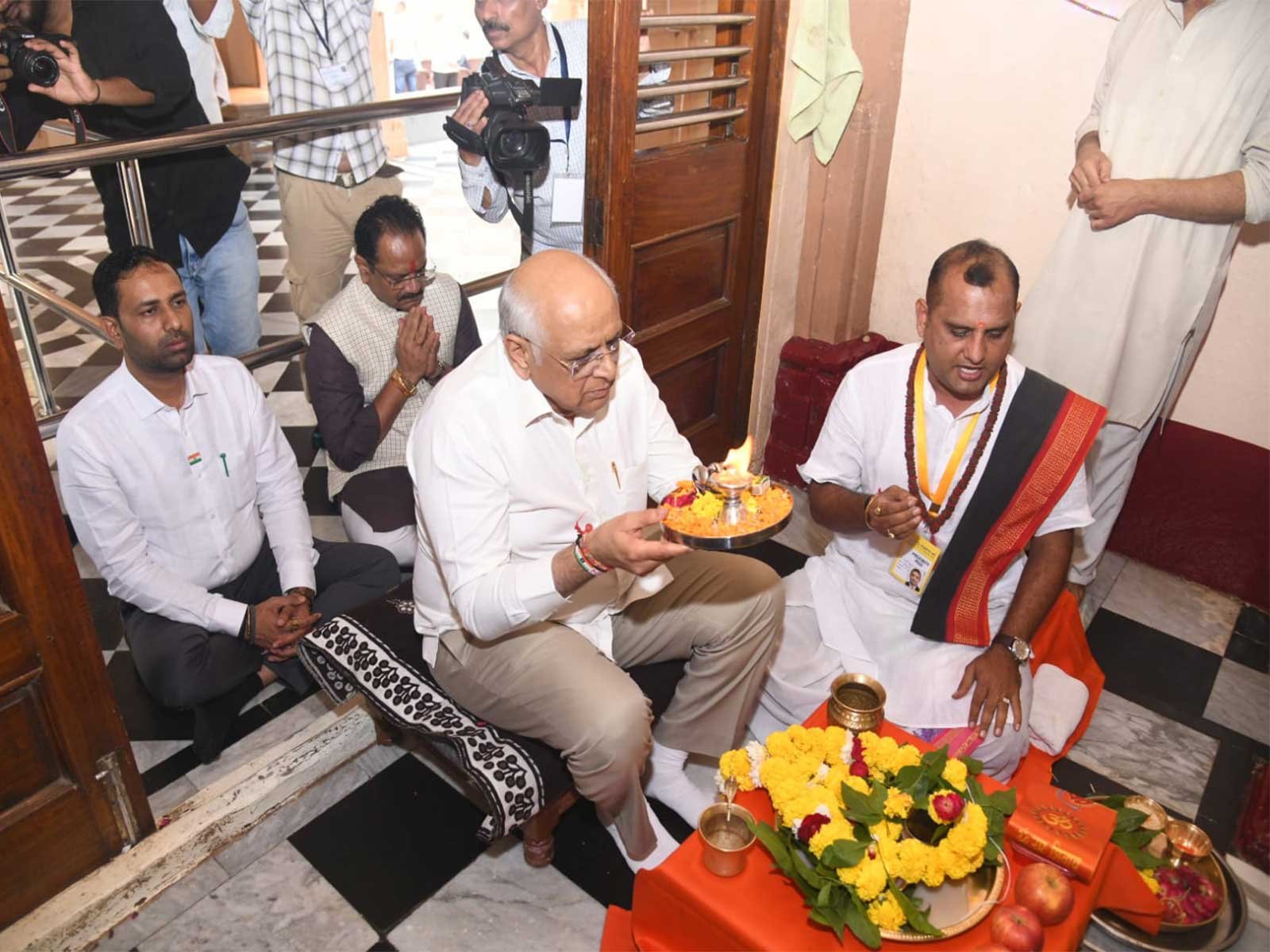
Gujarat Chief Minister Offers Prayers for State Prosperity Ahead of 80th Independence Day
As Gujarat prepares to mark the 80th anniversary of India’s Independence, Chief Minister Bhupendra Patel visited the historic Shri Nagnath Mahadev temple to offer prayers for the continued well-being and progress of the state. This ceremonial visit, held in the days leading up to the national celebrations, serves as a traditional commencement of the state’s commemorative activities, reflecting the deep-rooted cultural and spiritual connection between the leadership and the agrarian heartlands of Gujarat.
The visit to the temple, a significant site for the local community, highlights the importance of spiritual resilience in the face of the evolving challenges currently confronting the agricultural sector. By seeking blessings for peace and prosperity, the Chief Minister underscored a commitment to fostering a stable environment in which the state’s diverse industries—ranging from commercial manufacturing to small-scale farming—can continue to thrive in the coming decades.
Strengthening the Foundation of Gujarat’s Agrarian Economy
The timing of this visit is significant, as Gujarat continues to solidify its position as a powerhouse of Indian agriculture. With the monsoon season playing a critical role in the state’s irrigation and crop yields, the prayers offered by the Chief Minister resonate with the sentiments of millions of farmers who rely on seasonal cycles for their livelihoods. Historically, Gujarat has demonstrated remarkable adaptability in water management, soil health initiatives, and the promotion of high-value cash crops.
As the state moves toward its 80th year of independence, the focus of the administration remains fixed on modernization and sustainability. The integration of advanced irrigation technologies and the expansion of market access for rural producers have been central to the state's economic strategy. By acknowledging the spiritual heritage of the region, the state leadership aims to bolster public morale, reinforcing the bond between the government’s policy objectives and the traditional values held by the farming communities that drive the state’s food security and export potential.
Commitment to Peace and Sustainable Development
Beyond the agricultural implications, the visit to the Shri Nagnath Mahadev temple serves as a symbolic gesture of unity and stability. In an era where climate volatility and global market fluctuations present ongoing risks to regional economies, the pursuit of peace and social harmony is viewed as a prerequisite for economic growth. A stable political and social environment is essential for attracting investments in agri-tech, processing infrastructure, and logistics, which are vital for the next phase of Gujarat’s development.
The administration has frequently emphasized that the prosperity of the state is inextricably linked to the prosperity of its rural citizens. By engaging in these traditional observances, the Chief Minister’s office reaffirms its commitment to inclusive growth, ensuring that the benefits of independence—economic freedom, technological advancement, and social welfare—reach the most remote agricultural corners of the state.
What This Means for Farmers
For the agricultural community, the Chief Minister’s focus on peace and prosperity translates into a broader policy emphasis on stability and long-term planning. Farmers should consider the following takeaways regarding the current state climate:
- Policy Stability: The emphasis on state-wide prosperity indicates a continued commitment to existing agricultural support programs, including subsidies for inputs and infrastructure development. Farmers can expect the administration to prioritize the continuity of these essential services as the state moves into its 80th year.
- Focus on Resilience: As the government promotes peace and stability, there is an implicit expectation of continued investment in climate-resilient farming techniques. Farmers are encouraged to stay informed about state-sponsored workshops and resources focusing on drought-resistant seeds and efficient water management practices.
- Economic Outlook: A stable administrative environment is conducive to better market outcomes. As the state seeks to enhance its economic standing, farmers should look for opportunities to participate in value-added supply chains and cooperative marketing initiatives that are likely to receive further support under the current development roadmap.
- Community Engagement: The Chief Minister’s participation in local spiritual traditions highlights the value placed on regional identity. Farmers are encouraged to engage with local agricultural extensions and cooperative bodies, as these institutions remain the primary conduits for government support and the implementation of regional prosperity initiatives.