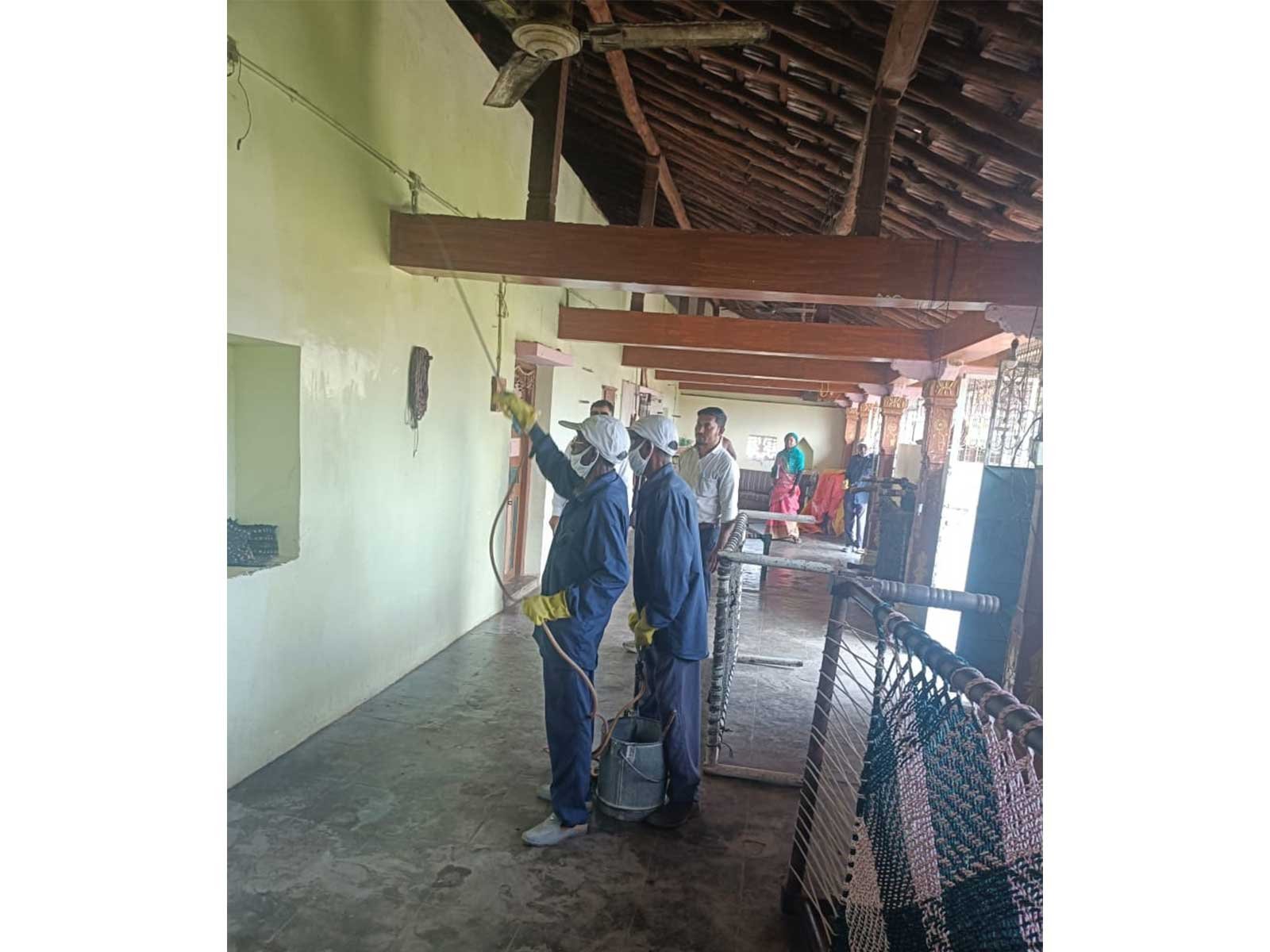
Significant Drop in Vector-Borne Diseases Reported in Gujarat
Public health data from Gujarat indicates a substantial improvement in the control of vector-borne diseases as of Week 33 of 2026. According to reports from The News Mill, the state has achieved marked reductions in the transmission rates of malaria, dengue, and chikungunya compared to previous reporting periods.
The latest figures highlight a positive trend in disease management across the region, with health authorities noting that the incidence of these mosquito-borne illnesses has declined significantly. Perhaps most notably, official records confirm that there have been zero deaths attributed to malaria or dengue in the state during this period.
Key Reductions in Disease Incidence
The data provided by The News Mill outlines specific percentage decreases for the three primary vector-borne diseases monitored by the state health department. These reductions reflect the comparative success of health interventions leading up to the 33rd week of 2026:
- Malaria: Cases have seen a reduction of 45%.
- Dengue: The state recorded a decline of 39.1% in reported cases.
- Chikungunya: This illness saw the most significant drop, with a reduction of 48.1%.
Focus on Mortality Rates
Beyond the reduction in the total number of infections, the absence of fatalities remains a critical metric for health officials. The report confirms that despite the ongoing presence of these diseases in the environment, the state has successfully prevented any recorded deaths linked to malaria or dengue. This indicates a focus on early detection and effective clinical management of patients who do contract these infections.
Understanding Vector-Borne Diseases
Vector-borne diseases are illnesses caused by parasites, viruses, and bacteria that are transmitted to humans by vectors—in these cases, mosquitoes. Malaria is caused by parasites transmitted through the bites of infected female Anopheles mosquitoes, while dengue and chikungunya are viral infections typically spread by the Aedes aegypti mosquito.
The data through Week 33 of 2026 serves as a progress report for the state's ongoing health initiatives. By tracking these figures weekly, health authorities in Gujarat are able to monitor the effectiveness of their current public health strategies and adjust resources accordingly to maintain these downward trends in infection rates.