A Global Front: How the Indian Independence Movement Transcended Borders
For decades, the standard narrative of India’s journey toward sovereignty has focused heavily on internal movements, non-violent civil disobedience, and the political machinations within the subcontinent. However, historical scrutiny reveals a far more expansive reality: the fight against British colonial rule was a truly global endeavor. Long before the Union Jack was lowered in 1947, a sophisticated network of Indian expatriates, intellectuals, and military defectors had transformed the struggle into an international campaign that spanned continents, from the bustling ports of Singapore to the academic circles of London and the industrial hubs of San Francisco.
This decentralized revolution relied on the power of the diaspora, leveraging global communication networks and shifting geopolitical alliances to challenge the hegemony of the British Raj. By operating outside the reach of colonial censorship, these activists were able to frame the Indian struggle not merely as a domestic grievance, but as a global crusade against imperialism, effectively turning international public opinion against the British administration.
The Underground Networks of the Diaspora
The success of the overseas movement was rooted in its ability to adapt to the specific political climates of host nations. In Western cities, the strategy was primarily intellectual and diplomatic. Indian students and political exiles in London, Paris, and Berlin utilized the relative openness of European academic and political spheres to publish underground journals, pamphlets, and manifestos. These documents served a dual purpose: they radicalized the diaspora and educated international observers about the economic exploitation occurring in India.
Across the Atlantic, the movement took a more militant turn in the United States and Canada. The formation of organizations like the Ghadar Party in San Francisco represented a pivotal shift, as Indian immigrants—many of whom were laborers and farmers—sought to raise funds and procure weaponry for an armed uprising. These groups saw the British colonial apparatus as a fragile entity that could be dismantled through coordinated military pressure, especially during periods of global conflict when Britain’s resources were stretched thin.
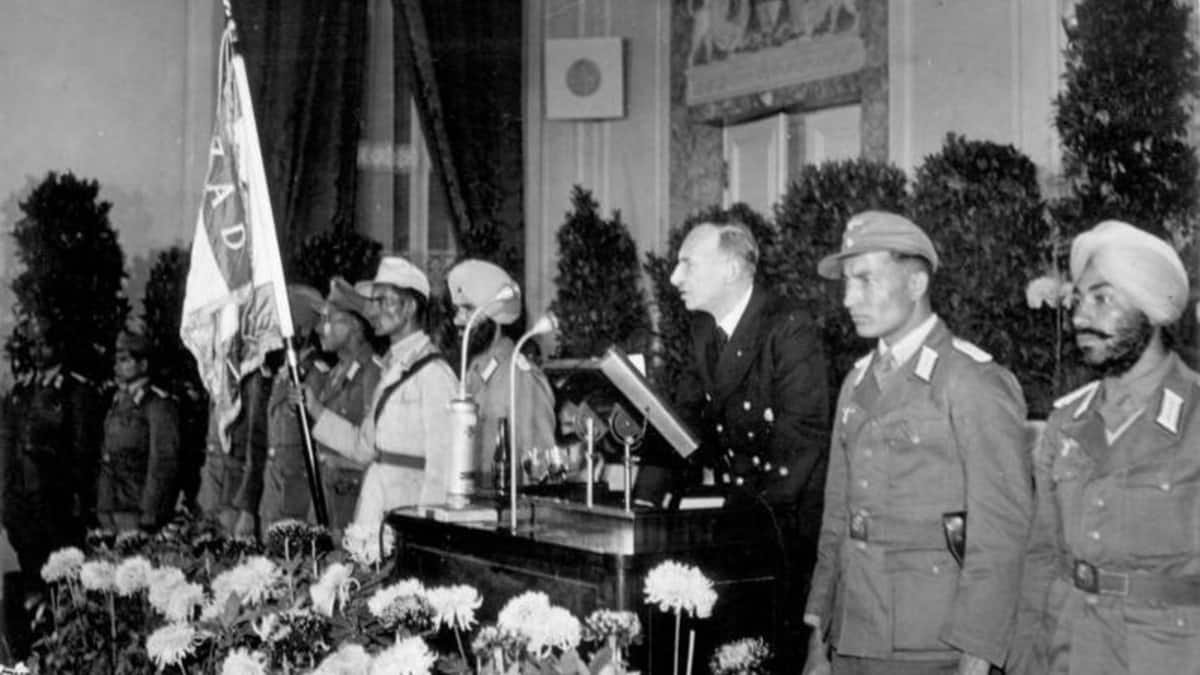
As the movement matured, its reach extended into the heart of Asia. In cities like Singapore and Kabul, the revolution found a different kind of support. In Singapore, the focus was on the Indian soldiers serving within the British colonial military apparatus. By fostering nationalist sentiment among these troops, activists aimed to turn the British military’s own manpower against the Empire. Meanwhile, in Moscow and Central Asia, revolutionaries sought diplomatic recognition and material aid, attempting to align the cause of Indian independence with broader anti-colonial movements gaining momentum across the globe.
Strategic Coordination and Global Propaganda
The strength of this global network lay in its agility. Because these revolutionaries were dispersed, they were difficult for British intelligence to track and dismantle in a single sweep. They utilized international postal systems, clandestine couriers, and the burgeoning global press to disseminate their message. This allowed them to create a narrative of a "global India"—a nation that was not just a colony, but a diaspora community capable of exerting pressure on the British government from within its own imperial network.
By engaging with international leaders and anti-imperialist thinkers, these activists ensured that the "Indian Question" remained on the global agenda. Even as British authorities labeled them as extremists and agitators, the sheer volume of their output—ranging from academic treatises to inflammatory broadsheets—forced the British Raj to spend significant resources on surveillance and counter-propaganda. This constant pressure served as a vital supplement to the domestic struggles occurring within India, proving that the foundation of 1947 was built on a platform of international solidarity.
What This Means for Farmers
While the history of the freedom struggle may seem far removed from the daily realities of modern agriculture, the legacy of these global networks offers enduring lessons for today’s farming communities, particularly regarding market access and collective advocacy.
1. The Power of Global Networks: Just as the revolutionaries understood that their cause was stronger when linked to international allies, modern agricultural sectors benefit from global trade associations and collaborative research networks. Farmers today are part of a global supply chain where local challenges—such as climate change or trade tariffs—are rarely isolated issues. Engaging with international agricultural bodies can help farmers stay ahead of global market trends and policy shifts.
2. Information as a Tool for Sovereignty: The independence activists realized that information was as vital as physical resources. For modern farmers, this translates to the importance of data literacy. Understanding global commodity prices, utilizing real-time market insights, and participating in agricultural cooperatives allows farmers to retain greater autonomy over their produce and reduce their reliance on exploitative middle-market systems.
3. Resilience Through Diversification: The decentralized nature of the overseas movement protected it from total collapse. Similarly, agricultural resilience is built on diversification. By not relying on a single market, crop variety, or distribution channel, farmers can better withstand the volatility of global economics. The history of the freedom struggle reminds us that when local systems are under pressure, the ability to pivot and leverage wider networks is the hallmark of a resilient and independent enterprise.