
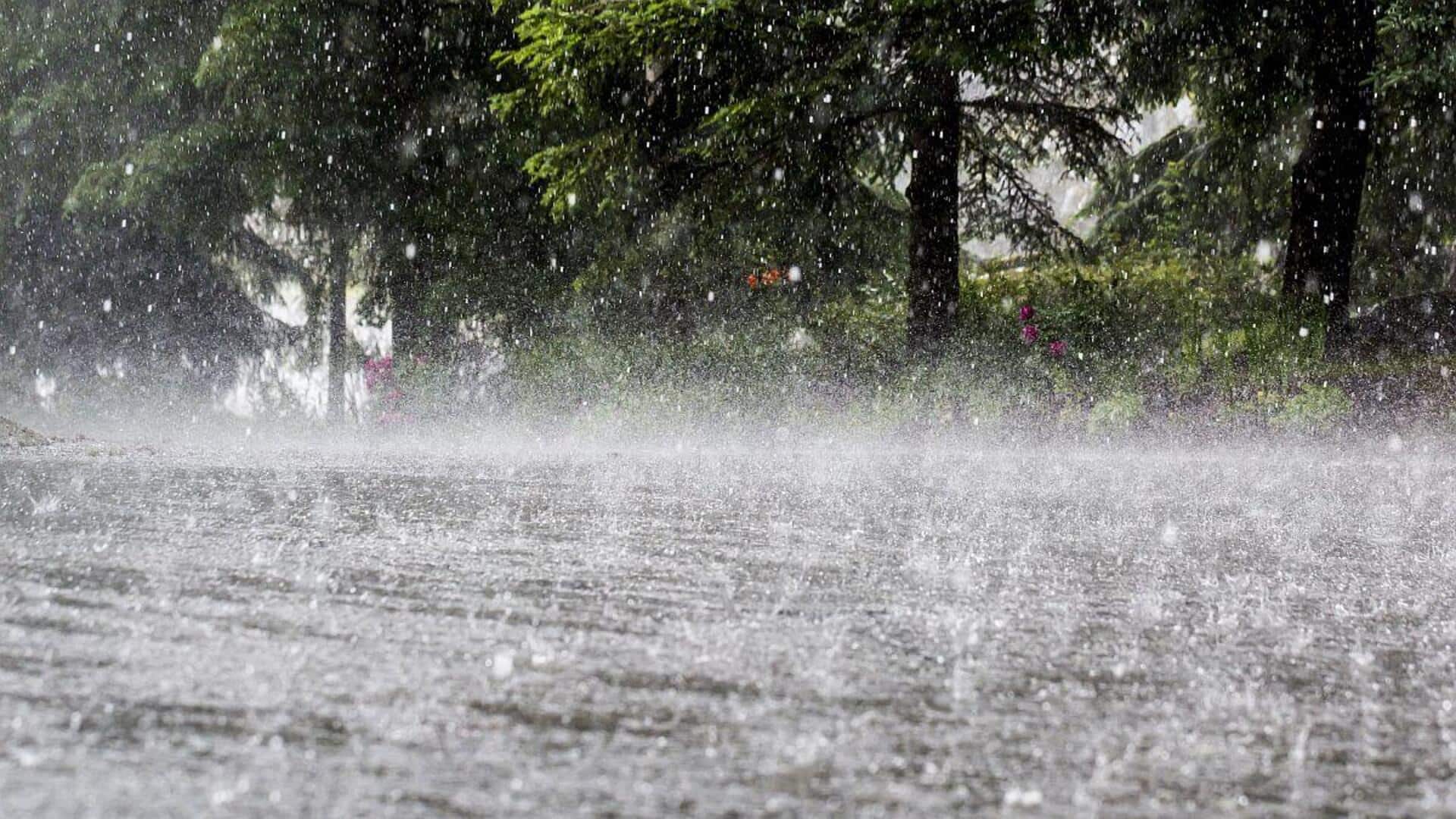
IMD Issues High-Alert Warning for Heavy Rainfall Across Western and Central India
The India Meteorological Department (IMD) has issued a significant weather advisory, signaling a period of intense precipitation across large swaths of western and central India. The forecast indicates that a combination of atmospheric conditions is likely to trigger heavy to very heavy rainfall over the coming days, prompting authorities to advise caution for residents and the agricultural community alike. As the monsoon pattern remains active, these meteorological developments are expected to influence regional water tables, soil moisture levels, and ongoing harvest or sowing operations.
Atmospheric Triggers and Regional Impact
According to the latest bulletin from the IMD, the impending rainfall is driven by a convergence of moisture-laden winds originating from the Arabian Sea, interacting with localized cyclonic circulations over the central plains. This atmospheric setup is expected to create sustained weather systems that will dump significant volumes of water in a short duration, particularly across the states of Maharashtra, Gujarat, Madhya Pradesh, and parts of Chhattisgarh.
Meteorologists note that the intensity of these systems often leads to rapid runoff, which poses a dual challenge: while it helps in replenishing reservoirs and small-scale water harvesting structures, it also increases the risk of soil erosion and waterlogging in low-lying fields. The IMD has categorized several districts within these regions under a ‘Yellow’ and ‘Orange’ alert status, suggesting that while widespread flooding may not be immediate, the cumulative impact of persistent rain could lead to localized disruptions in transport and infrastructure.
Agronomic Implications for Seasonal Crops
The timing of this weather event is critical for the agricultural sector, which is currently navigating the mid-to-late stages of the monsoon cropping cycle. In regions where crops have reached the maturity or harvesting phase, excessive moisture poses a significant threat to grain quality and yield security. High humidity levels accompanying heavy rains can foster the rapid spread of fungal pathogens and bacterial blight, necessitating proactive field management.
Conversely, in areas where late-season sowing or transplanting is still underway, the moisture influx may prove beneficial, provided that field drainage is managed effectively. The primary concern remains the physical impact of high-velocity rainfall on standing crops, which can lead to lodging—a condition where stalks bend or break under the weight of water and wind, making mechanical harvesting difficult and reducing total marketable output.
What This Means for Farmers
For farmers operating in the affected regions, the IMD’s warning serves as a call to prioritize field-level preparedness. The following actions are recommended to mitigate potential losses:
- Ensure Field Drainage: Prioritize the clearing of drainage channels around fields to prevent water stagnation. Stagnant water for more than 24 to 48 hours can cause root asphyxiation, particularly in sensitive pulse and oilseed crops.
- Post-Harvest Protection: For farmers who have already harvested their produce, ensure that all grains are stored in elevated, moisture-proof structures. Avoid storing harvested material in open fields or low-lying areas where flash floods could compromise the quality of the stock.
- Monitor for Pest Outbreaks: Increased humidity and standing water are ideal breeding grounds for pests and diseases. Agricultural extension services advise regular scouting of fields to identify early signs of fungal infections, such as leaf spot or powdery mildew, and to prepare for localized fungicide applications if weather windows permit.
- Review Insurance Coverage: Review existing crop insurance policies and documentation. In the event of significant damage, timely reporting to local agricultural offices is essential to initiate the claim process and ensure that accurate assessments of crop loss are recorded.
- Stay Informed: Continue to monitor daily district-level weather updates via official IMD channels or state agricultural department portals. Localized forecasts are often more precise than regional summaries and can provide the necessary lead time to protect valuable assets and livestock.
As the situation develops, farmers are encouraged to coordinate with local Krishi Vigyan Kendras (KVKs) for site-specific advice tailored to the soil health and crop varieties prevalent in their particular micro-climates. While rainfall is essential for the nation’s food security, proactive management during extreme weather events remains the most effective tool for protecting the season’s investment.


