Delhi Under Yellow Alert: Severe Heat and Humidity Grip the National Capital
Residents across the National Capital Region are facing a challenging start to the day as the India Meteorological Department (IMD) has issued a formal yellow alert, signaling the onset of severe heat and high humidity levels. The alert, which underscores a period of meteorological instability, highlights a classic pre-monsoon pattern where rising temperatures are compounded by significant atmospheric moisture, creating a “feels-like” temperature that far exceeds the actual recorded mercury levels.
As the capital grapples with this oppressive weather, the IMD has advised vulnerable populations to exercise caution, particularly during the peak afternoon hours. The current conditions are characterized by stagnant air and intense solar radiation, which are expected to persist throughout the day, placing a strain on both urban infrastructure and local power grids as cooling demands reach their daily zenith.
Understanding the Atmospheric Dynamics
The current weather pattern is a result of a complex interplay between shifting wind patterns and the seasonal transition currently underway across North India. The yellow alert serves as a warning of “discomfort weather,” where the combination of high ambient temperatures and elevated humidity prevents efficient evaporative cooling—the body’s primary mechanism for heat regulation. This creates an environment where physical exertion becomes increasingly taxing.
Meteorologists point out that while the heat is significant, it is the moisture influx that is driving the current discomfort. The humidity acts as a thermal blanket, trapping heat near the surface and preventing the nocturnal cooling that typically provides relief during the overnight hours. However, this same moisture buildup is a necessary precursor to the shift in weather patterns anticipated by the weekend. The IMD’s long-range models suggest that a moisture-laden trough is likely to move across the region, finally facilitating the cloud cover and precipitation necessary to break the current cycle of sweltering heat.
The Shift Toward Weekend Precipitation
The outlook for the coming days offers a glimmer of hope for those enduring the current heatwave. Forecasts indicate that the atmospheric instability will eventually manifest as scattered to widespread rainfall by the weekend. This expected precipitation is projected to serve two critical functions: washing away the oppressive humidity and providing a much-needed cooling effect that will normalize temperatures across the plains.
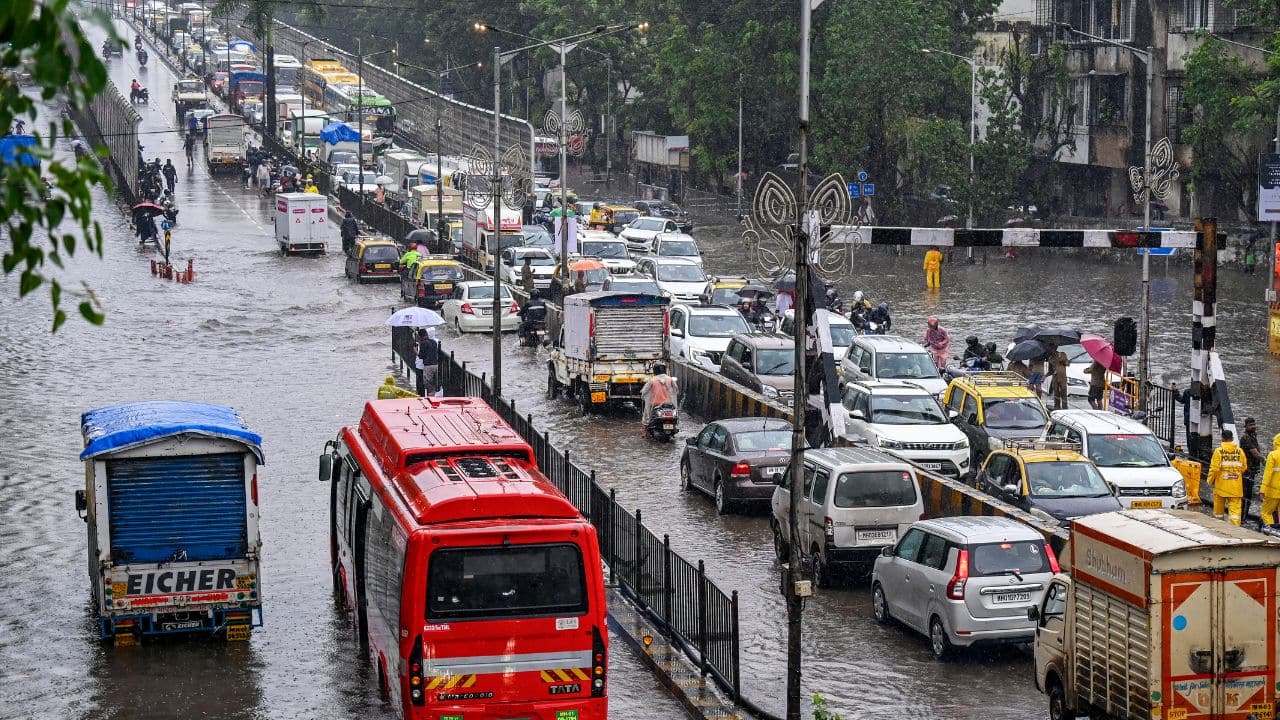
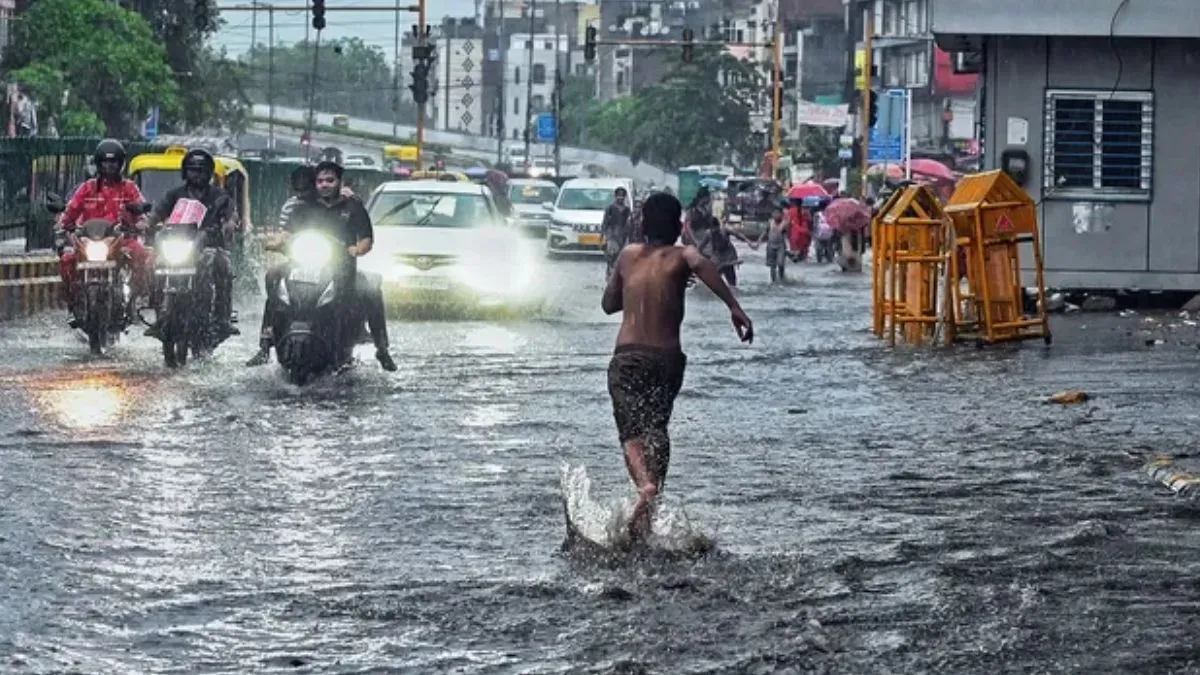
The IMD continues to monitor the movement of these weather systems, noting that the transition from a hot, dry, or humid state to a rainy one can often be accompanied by localized gusty winds. While the rain will bring relief, the department urges residents to remain vigilant regarding potential waterlogging in low-lying areas and the usual traffic disruptions that accompany early-season monsoon showers in urban environments.
What This Means for Farmers
For the agricultural community in the outskirts of the capital and the surrounding agrarian belts, these weather fluctuations carry significant implications for current field operations and crop management.
- Moisture Management: The current high humidity and heat stress can accelerate the transpiration rates of standing crops and nursery plants. Farmers are advised to prioritize irrigation cycles during the early morning or late evening to minimize evaporative loss and ensure that soil moisture remains consistent despite the heat.
- Pest and Disease Monitoring: High humidity, followed by rainfall, creates an ideal environment for the proliferation of fungal pathogens and specific insect pests. Farmers should prepare to scout fields immediately following the weekend rains to identify early signs of fungal outbreaks, such as blights or wilts, which thrive in humid, post-rain conditions.
- Strategic Scheduling: With rain forecasted for the weekend, farmers should adjust their schedules for fertilizer application and chemical spraying. Applying inputs immediately before a rain event can lead to runoff and inefficiency; it is advisable to wait until the precipitation has passed to ensure maximum uptake and efficacy.
- Livestock Well-being: Heat stress is a major concern for dairy and poultry operations. Ensuring consistent access to fresh, cool water and improving ventilation in animal housing is essential to prevent a drop in milk production or livestock health issues during these peak heat days.
Ultimately, while the current yellow alert presents a temporary hurdle, the impending rains are a vital component of the seasonal cycle. Agricultural stakeholders should treat the next 48 hours as a period of preparation, ensuring that fields are ready to capture the upcoming moisture while protecting sensitive crops from the immediate stresses of the current heatwave.