Unsettled Weather Patterns Persist: IMD Issues Forecast for Delhi-NCR
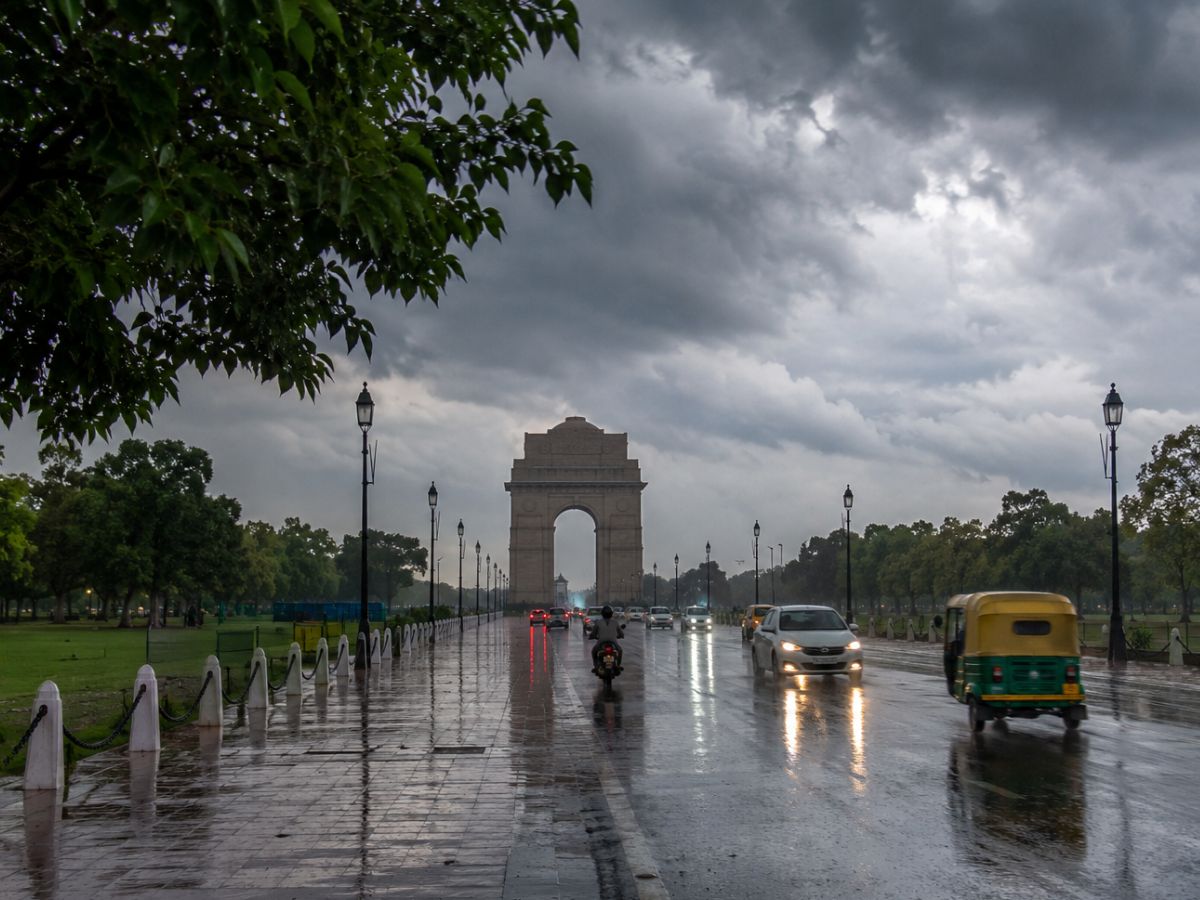
The India Meteorological Department (IMD) has issued an updated weather bulletin for the National Capital Region (NCR), signaling a period of meteorological instability across Delhi, Noida, Ghaziabad, and Gurugram. As regional weather patterns shift, residents and agricultural stakeholders are bracing for a mix of light precipitation and gusty conditions that are expected to influence the daily environment through the morning and afternoon hours.
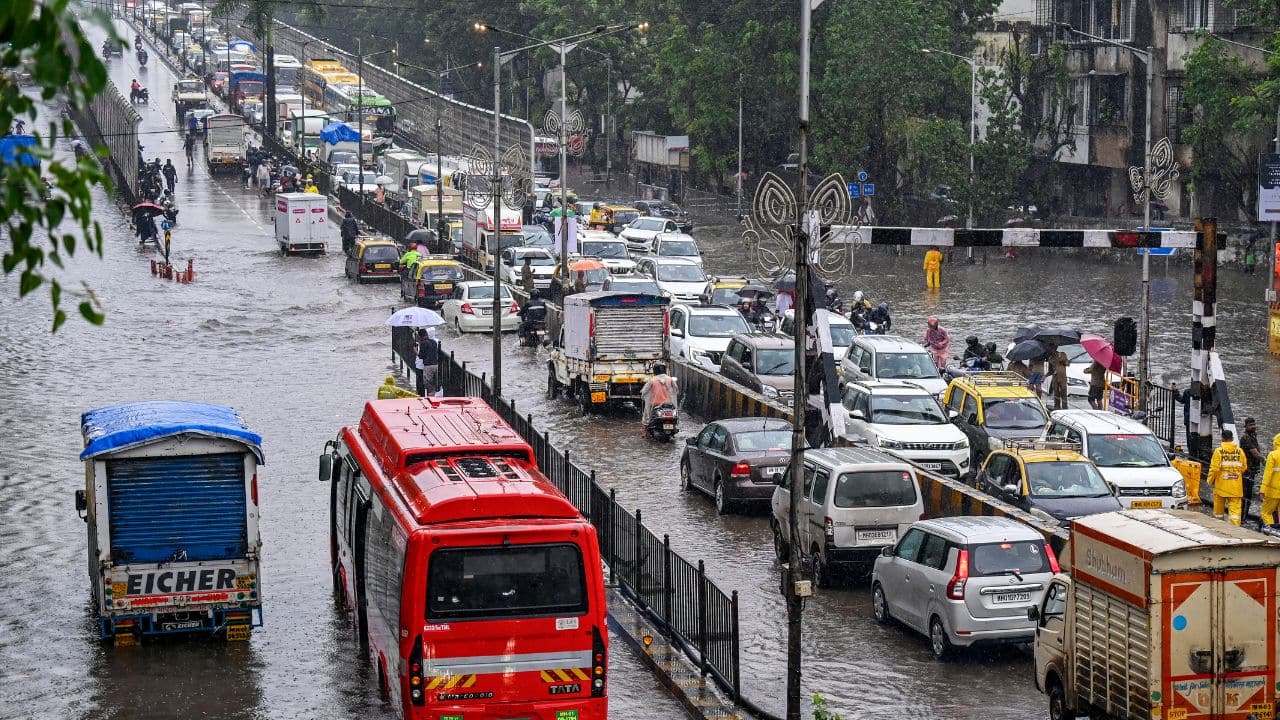
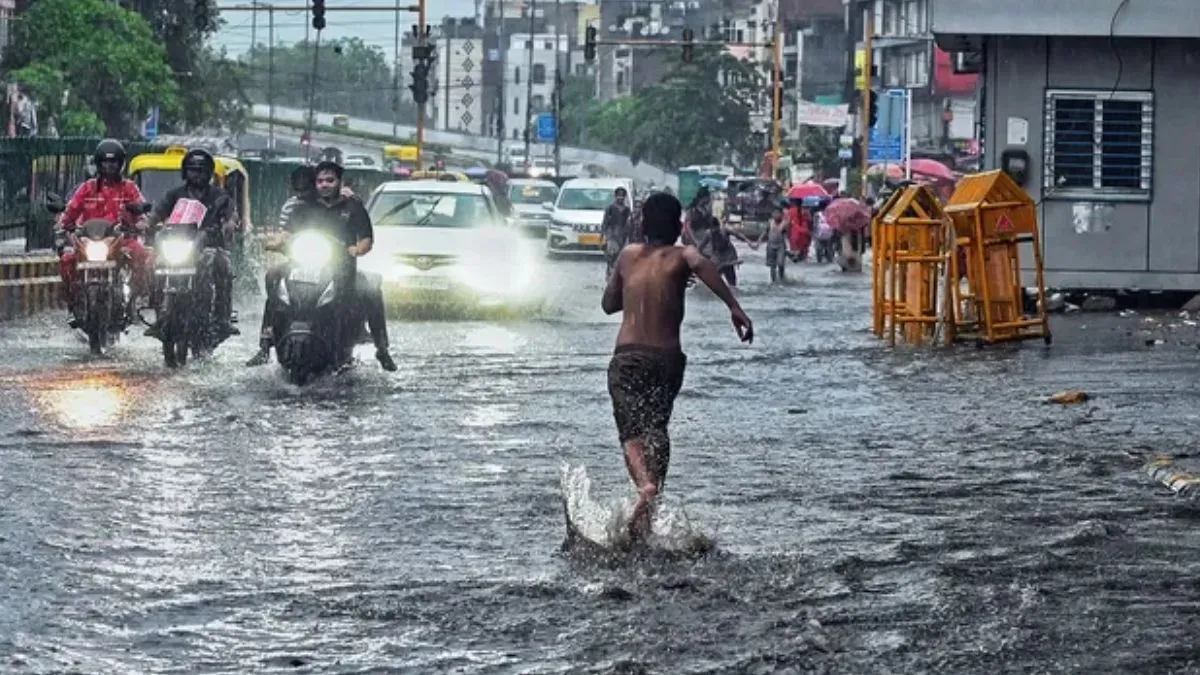
According to the latest satellite imagery and synoptic charts provided by the weather office, a combination of atmospheric moisture and localized pressure fluctuations is creating favorable conditions for intermittent rainfall. While the forecast does not suggest a widespread, heavy monsoon-style deluge, the IMD has categorized the expected rainfall as "very light" across the majority of the NCR, with the potential for "moderate showers" in specific isolated pockets. This localized variability remains a hallmark of the current seasonal transition, making precise predictions for individual neighborhoods challenging.
Anticipating Atmospheric Disturbance: Thunderstorms and High-Velocity Winds
Beyond the potential for rainfall, the IMD has highlighted a more significant concern regarding wind speed and electrical activity. The department’s advisory explicitly warns of impending thunderstorms accompanied by lightning, which could pose risks to both outdoor infrastructure and field operations. These disturbances are expected to be marked by sustained wind speeds ranging from 20 to 30 kilometers per hour (kmph).
Of particular note is the warning regarding wind gusts, which meteorological experts anticipate could reach speeds of up to 40 kmph during the peak heating hours of the afternoon. Such conditions are known to increase the risk of damage to temporary structures, tree limbs, and standing power lines. The combination of lightning and gusty winds necessitates heightened vigilance, particularly in open areas where the risk of exposure to electrical discharge is elevated. The IMD advises the public to remain updated through official channels as the situation develops throughout the day, noting that convective activity can intensify rapidly under current atmospheric conditions.
The Mechanics of Regional Rainfall Variability
The current weather scenario in the Delhi-NCR region is a classic example of localized meteorological phenomena. In urbanized environments like Noida, Ghaziabad, and Delhi, the "urban heat island" effect often interacts with incoming moisture-laden air masses, leading to unpredictable precipitation patterns. While one sector of the capital may remain dry and overcast, a nearby locality might experience a sudden, moderate downpour.
Meteorologists emphasize that these isolated showers are often short-lived but can be intense. The primary drivers are currently identified as local moisture convergence and the influence of fluctuating wind directions in the lower troposphere. For the agricultural periphery of the NCR—including the rural belts surrounding Gurugram and the outskirts of Ghaziabad—these weather patterns represent a critical window of uncertainty. While the moisture is generally welcomed for soil health, the accompanying high-velocity winds and potential for lightning require careful monitoring of crops that may be in vulnerable growth stages.
What This Means for Farmers
For the farming community operating in the peri-urban regions of the National Capital, the IMD’s latest update serves as a prompt for proactive field management. The following considerations are paramount during this period of unsettled weather:
- Protection of Harvested Produce: Farmers currently in the post-harvest phase should ensure that any grain or produce currently stored in open yards is adequately covered or moved to moisture-controlled environments to prevent spoilage from unexpected light rain.
- Mitigation of Wind Damage: With wind gusts predicted to reach 40 kmph, growers of tall-standing crops or those utilizing trellis systems should conduct a quick inspection to ensure that support structures are secure. High winds can lead to lodging in cereal crops or mechanical damage to fruit-bearing branches.
- Safety Protocols: Given the explicit warning of lightning, it is imperative that field workers suspend agricultural operations during the peak thunderstorm hours. Moving to a sturdy, enclosed structure is the only safe course of action when thunder is heard or lightning is observed in the vicinity.
- Irrigation Planning: While "very light" rainfall is unlikely to provide meaningful moisture replenishment for deep-rooted crops, it may disrupt scheduled irrigation cycles. Farmers are advised to delay heavy irrigation until the weather pattern stabilizes, as excess moisture in the topsoil following a shower could exacerbate humidity-related fungal issues.
- Economic Vigilance: Sudden changes in weather can impact the logistics of moving produce to local mandis. Farmers should coordinate with transport providers to account for potential delays caused by reduced visibility or road congestion resulting from localized rainfall.