A Tale of Two Climates: India Grapples with Concurrent Heatwaves and Monsoon Deluges
The Indian meteorological landscape is currently characterized by a stark and dangerous dichotomy, as the nation faces the simultaneous challenges of extreme thermal stress and widespread hydrologic instability. While the national capital, Delhi, remains gripped by a relentless and brutal humid heatwave, the India Meteorological Department (IMD) has issued high-alert warnings for heavy to very heavy rainfall across 20 states, including the agricultural heartland of Madhya Pradesh. This atmospheric volatility underscores the increasing frequency of extreme weather events, presenting significant logistical and operational hurdles for the country’s agricultural sector.
The Urban Heat Trap: Delhi’s Persistent Humidity
In the National Capital Region, the combination of high ambient temperatures and elevated humidity levels—often referred to as the "heat index"—has created conditions that are physically taxing and potentially hazardous. The persistence of these conditions is attributed to a lack of significant moisture-bearing winds and a stagnant atmospheric circulation pattern that prevents the dissipation of heat. For the urban environment, this manifests as a failure of nighttime cooling, leading to cumulative thermal stress.
From an agricultural perspective, the regions surrounding the capital are experiencing significant transpiration stress. Even in areas where irrigation is available, the high humidity inhibits the natural cooling processes of crops, potentially leading to physiological damage in sensitive vegetable varieties and stalling the growth cycles of late-sown fodder crops. The lack of cloud cover during the peak daylight hours exacerbates the soil moisture deficit, forcing farmers to increase pumping frequency, thereby driving up energy costs and depleting local groundwater tables at an unsustainable rate.
Monsoon Dynamics and the Heavy Rainfall Alert
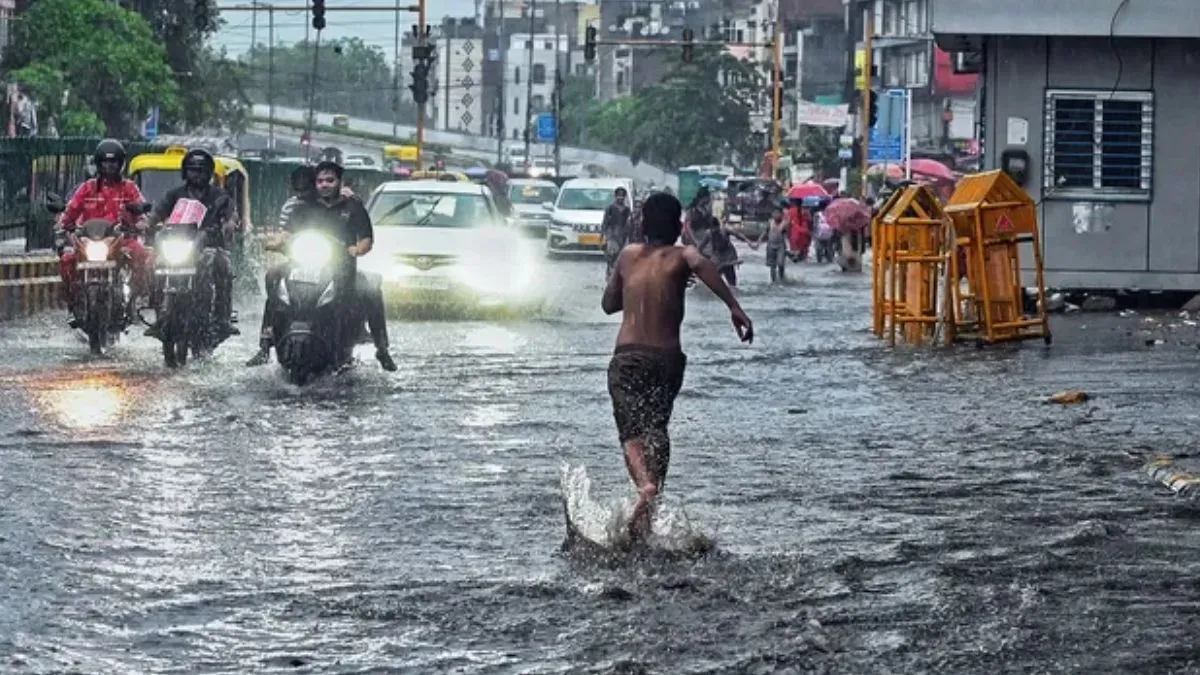
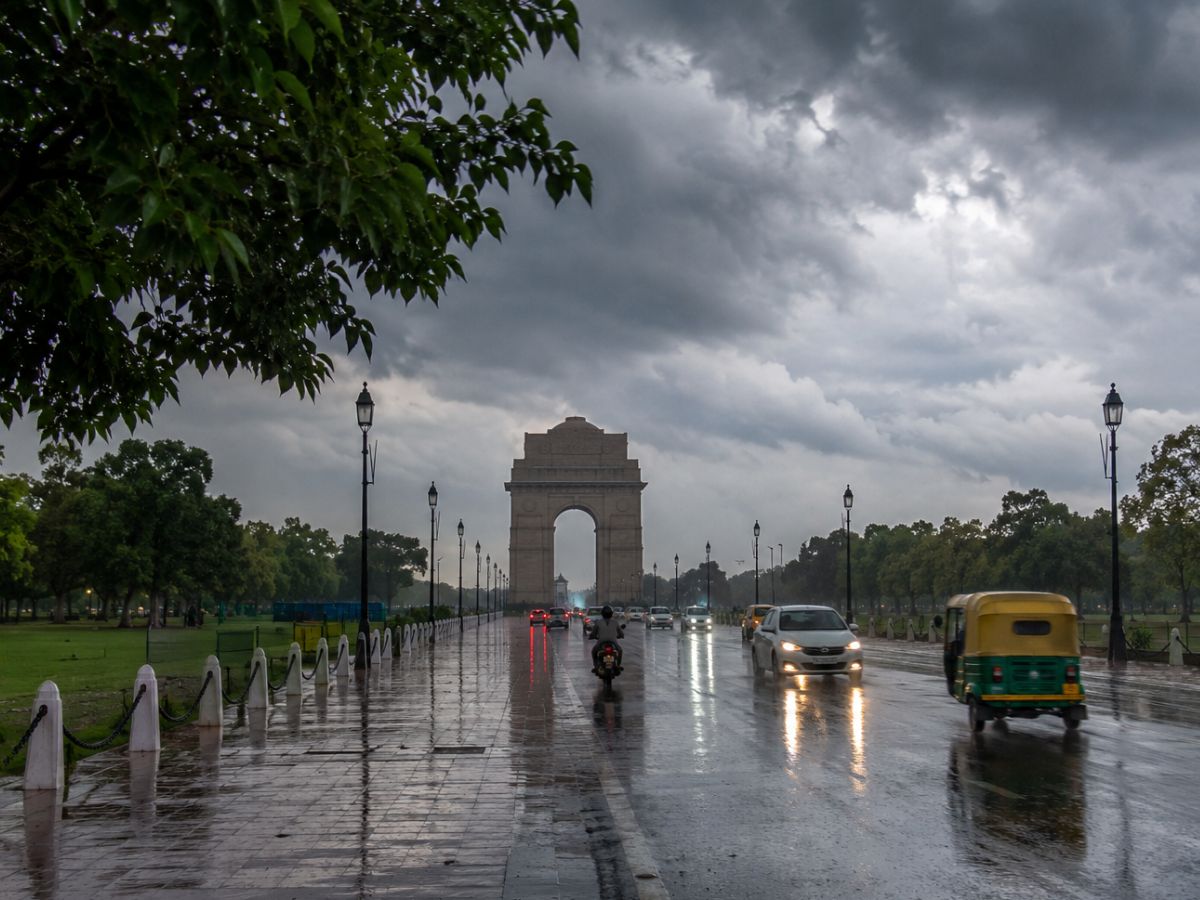
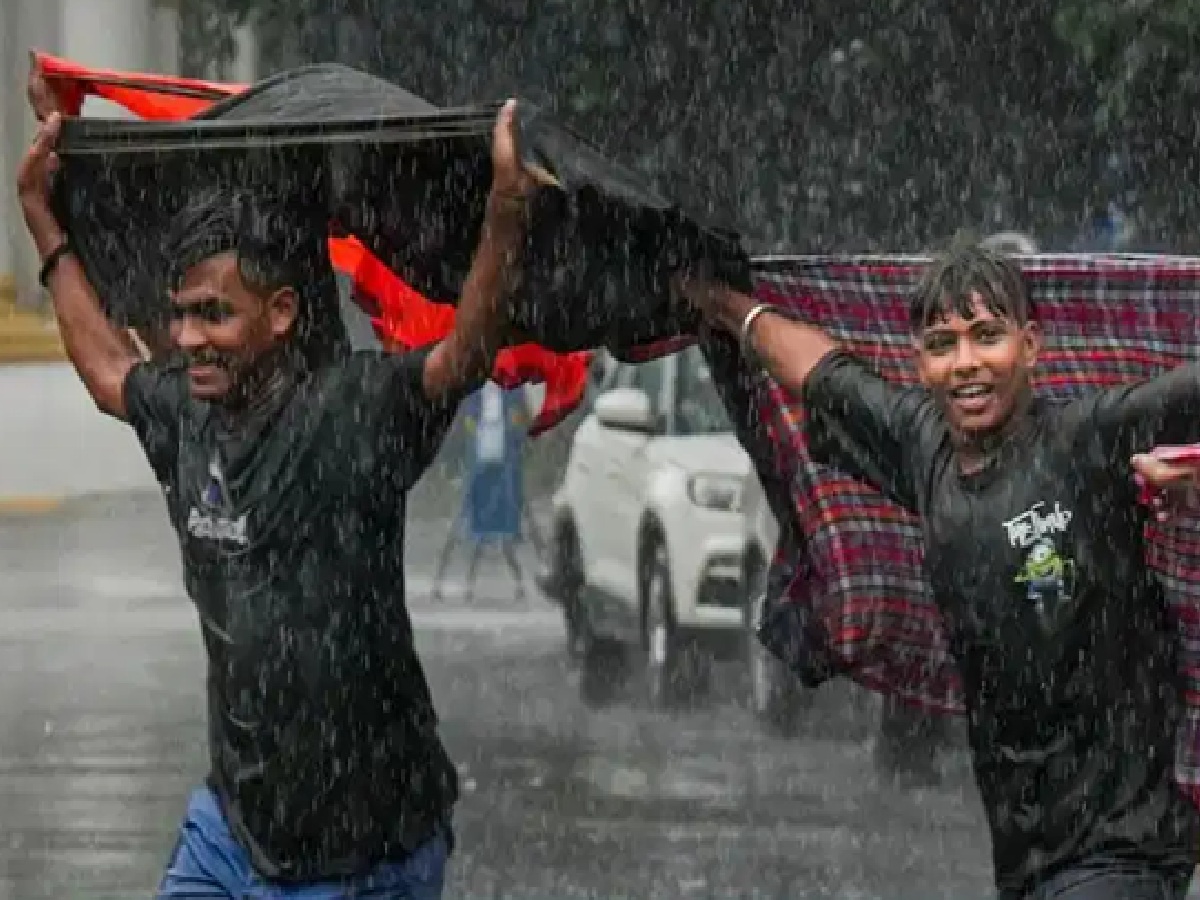
Contrasting sharply with the dry heat of the north, a robust monsoon trough has activated across a broad swath of Central and Western India. The IMD’s alert for 20 states, with a specific focus on Madhya Pradesh, suggests an intensification of the monsoon’s active phase. This is driven by the convergence of moisture-laden winds from both the Arabian Sea and the Bay of Bengal.
In Madhya Pradesh, a state critical to the production of pulses, oilseeds, and cereals, this forecast brings a double-edged sword. While the rainfall is essential for filling reservoirs and replenishing depleted aquifers, the intensity predicted by the IMD poses a risk of waterlogging in low-lying fields. Excessive saturation of the topsoil can lead to root rot, nutrient leaching—particularly the loss of nitrogen—and the physical lodging of standing crops. Furthermore, the increased humidity in these regions creates a conducive environment for fungal pathogens and pests, which thrive in the warm, damp conditions that follow heavy precipitation.
What This Means for Farmers
The current weather volatility requires a proactive and adaptive approach to farm management. Farmers in the heat-affected regions must prioritize moisture conservation techniques, such as the application of organic mulches to reduce soil evaporation. Where possible, irrigation should be scheduled during the early morning or late evening hours to minimize evaporative loss and reduce the thermal shock to the plant canopy.
For those in the path of the heavy rainfall alerts, the focus must shift to field drainage and disease prevention. Ensuring that field channels are clear to prevent waterlogging is the most immediate priority. Farmers should monitor crops closely for early signs of fungal infection, such as rust or blight, and be prepared to implement integrated pest management (IPM) strategies to mitigate the impact of sudden population spikes in insects.
Economically, these weather extremes are likely to influence market prices in the coming weeks. Disrupted harvest logistics and potential yield losses due to weather damage often lead to localized supply chain tightening. Farmers are advised to maintain close contact with local agricultural extension offices for real-time advisories and to utilize weather-based insurance schemes to hedge against the risks posed by these increasingly unpredictable climatic shifts. The ability to pivot operational strategies in response to short-term meteorological forecasts is no longer a luxury but a fundamental necessity for sustainable production in the current climate paradigm.