North India Braces for Significant Temperature Shift as IMD Forecasts Widespread Rainfall
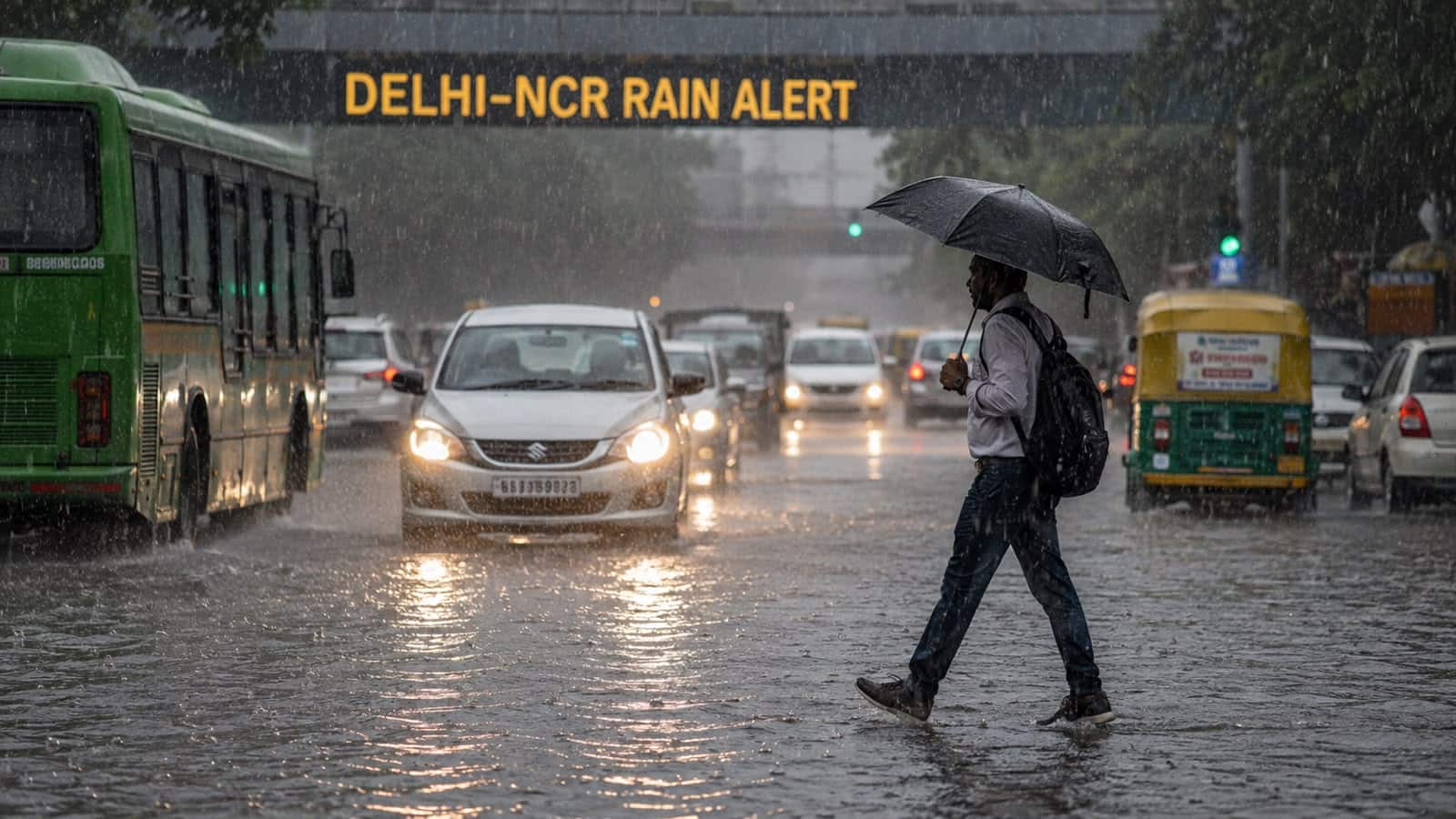
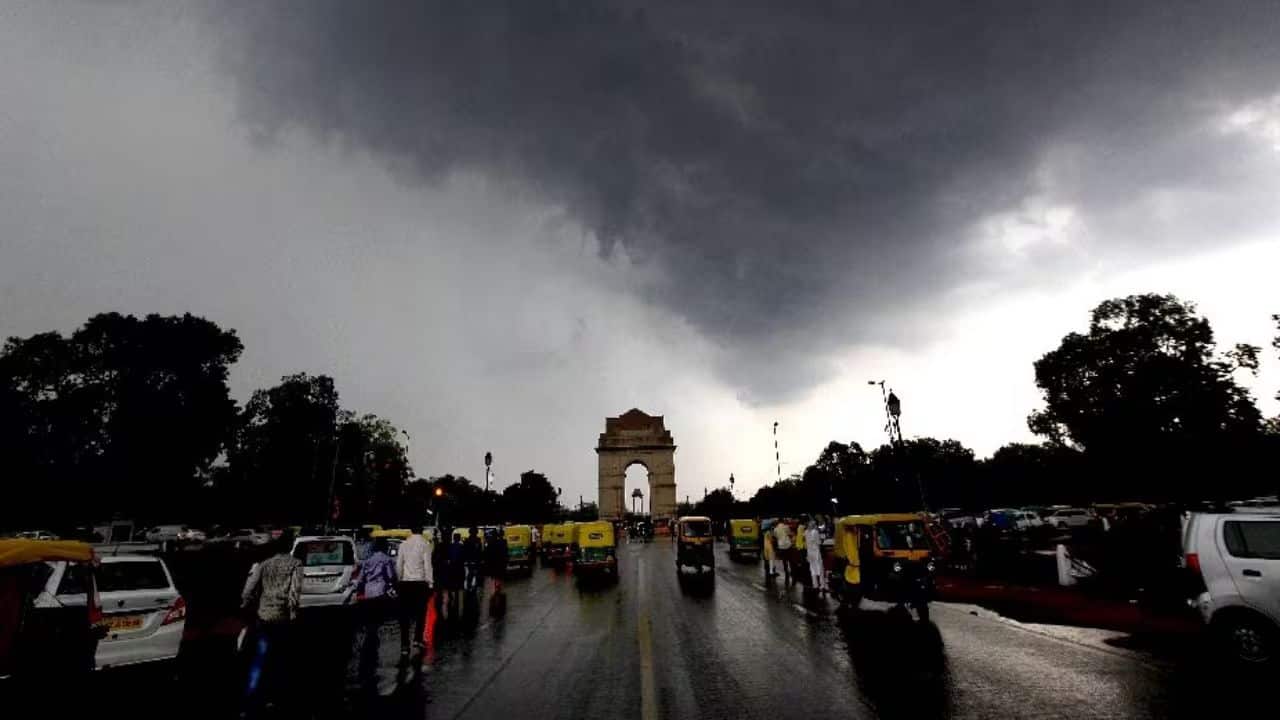
The India Meteorological Department (IMD) has issued a significant weather alert indicating a major shift in climatic conditions across Northern India. A fresh western disturbance is expected to bring a substantial drop in temperatures alongside a sustained period of heavy precipitation. This meteorological shift, which is anticipated to bring much-needed relief from unseasonable warmth, is not isolated to the northern plains; the influence of this weather system is expected to extend its reach into western and southern regions, marking a broad period of atmospheric instability across the subcontinent.
Understanding the Meteorological Drivers
The primary driver behind this sudden change is a robust western disturbance—a low-pressure system originating in the Mediterranean region—that is currently tracking eastward. As this system interacts with moisture-laden winds from the Arabian Sea, it is expected to trigger widespread rainfall, thunderstorms, and, in higher-altitude regions, snowfall. Meteorologists note that these systems are critical for maintaining the hydrological balance of the northern states, particularly as they provide essential moisture to the soil profile during the transitional months.
Beyond the northern corridor, the spillover effects of this system are projected to impact the western and southern peninsular regions. The interaction between the shifting wind patterns and local topographical features suggests that areas typically accustomed to dry conditions may experience uncharacteristic bouts of rain. For agricultural regions, this implies a period of high humidity and overcast skies, which can significantly alter the micro-climatic conditions that dictate crop respiration and pest cycles.
Regional Impact and Agricultural Vulnerability
The anticipated temperature drop—driven by both cloud cover and the influx of cooler air—is expected to be sharp. While the cooling effect will likely be welcomed by urban centers, the agricultural sector must prepare for the physiological stresses that sudden fluctuations in temperature and moisture can induce. Crops that are currently in sensitive growth stages may face challenges related to increased fungal pressure, as sustained moisture and cooler temperatures create an ideal environment for pathogens.
Furthermore, the heavy rainfall predicted across these diverse geographical zones poses a risk of localized waterlogging in low-lying fields. Proper field drainage remains the most critical factor in mitigating the potential for root rot and nutrient leaching. As the IMD continues to monitor the movement of these clouds, regional authorities are advising farmers to keep a close watch on local weather bulletins to anticipate the precise timing of the rainfall, as the intensity is expected to vary significantly across different districts.
What This Means for Farmers
For the farming community, this predicted wet spell necessitates an immediate and proactive approach to crop management. The following considerations are paramount for safeguarding yields:
- Field Drainage Preparation: Before the onset of heavy rains, ensure that all irrigation channels and field drains are clear of debris. Efficient water runoff is essential to prevent standing water, which can lead to rapid soil saturation and subsequent crop damage.
- Fungal Disease Monitoring: High humidity and cooler temperatures are primary catalysts for fungal infections. Farmers are advised to scout their fields regularly for early symptoms of blight, rust, or mildew. If conditions persist, preventative application of bio-fungicides or recommended treatments should be considered once the rainfall subsides.
- Harvest and Storage Logistics: For those in the middle of harvest operations, the arrival of rain poses a logistical hurdle. It is recommended to prioritize the harvesting of mature crops and ensure that stored commodities are kept in moisture-proof conditions to prevent mold growth and quality degradation.
- Input Application Timing: Avoid the application of fertilizers or chemical sprays immediately before or during heavy rain events. Nutrient runoff can lead to significant economic loss and environmental degradation; it is best to wait for a clear window of stable weather to ensure maximum efficacy of inputs.
- Livestock Protection: Ensure that livestock are provided with dry, sheltered housing. Sudden drops in temperature, combined with damp conditions, can increase the risk of respiratory issues in cattle and small ruminants.
By staying informed through official IMD updates and taking preemptive measures to secure crops and livestock, farmers can effectively navigate this period of climatic volatility and minimize potential losses associated with the incoming weather system.