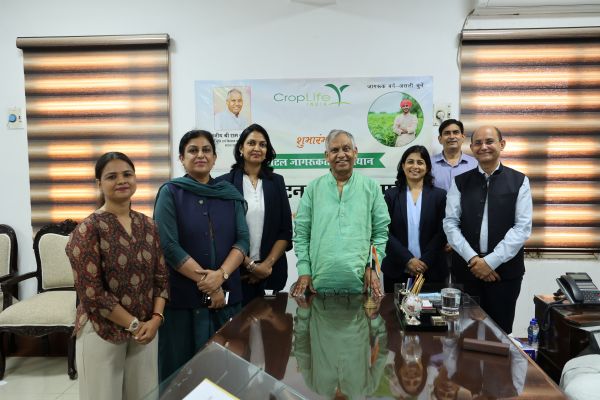
CropLife India Launches Nationwide Digital Initiative to Combat Illicit Pesticides
As India embarks on its 80th year of Independence, the agricultural sector is confronting a persistent challenge that threatens both food security and rural livelihoods: the proliferation of illicit, counterfeit, and substandard pesticides. In a strategic move to safeguard the nation’s agrarian backbone, CropLife India has officially unveiled an expansive digital awareness campaign. This initiative aims to reach 2.5 million farmers, equipping them with the knowledge necessary to identify authentic crop protection products and understand the severe risks associated with unregulated chemical inputs.
The campaign, which leverages the rapid expansion of digital connectivity in rural India, seeks to bridge the information gap that often leaves smallholder farmers vulnerable to unscrupulous traders. By utilizing social media platforms, mobile messaging services, and targeted digital outreach, the organization intends to create a robust network of informed growers who can act as the first line of defense against the distribution of illegal agrochemicals.
The Rising Threat of Illicit Pesticides to Agronomic Health
The circulation of illicit pesticides is not merely a commercial issue; it is a multifaceted threat to agronomy, soil health, and consumer safety. Counterfeit products often lack the rigorously tested active ingredients required to manage specific pests and diseases effectively. When farmers unknowingly apply these substances, they face immediate crop failure due to lack of efficacy, leading to significant economic losses and potential food shortages.
Beyond the immediate impact on harvest yields, substandard chemicals pose a grave risk to long-term soil health. Often containing toxic impurities or banned substances, these products can contaminate the soil profile and groundwater, disrupting the local ecosystem. Furthermore, the use of unverified chemicals creates a public health concern, as residues may persist on produce, entering the food supply chain and bypassing the safety thresholds established by regulatory bodies. By educating farmers on the importance of purchasing from authorized dealers and checking for mandatory regulatory labeling, this campaign aims to curb the demand for these hazardous products.
Leveraging Digital Infrastructure for Rural Empowerment
The scale of this campaign—targeting 2.5 million farmers—reflects the shifting landscape of Indian agriculture, where digital literacy is increasingly becoming a core component of farm management. By moving away from traditional, localized awareness programs and embracing a digital-first approach, CropLife India is able to disseminate critical information at unprecedented speeds. This is particularly vital during peak sowing and spraying seasons, where time-sensitive decisions can determine the success or failure of a crop.
The digital initiative is designed to be interactive, providing farmers with resources on how to verify product authenticity through standardized packaging, holographic seals, and QR code verification systems. By empowering farmers to become "vigilant consumers," the campaign aims to disrupt the supply chain of illicit traders. When farmers refuse to purchase products that lack proper documentation or clear origin labeling, the market for counterfeit goods naturally shrinks, forcing illicit operators out of the ecosystem.
What This Means for Farmers
For the average farmer, this campaign serves as both a warning and a practical guide to protecting their investment. The economic consequences of using illicit pesticides are often devastating, as the cost of the chemicals is compounded by the total loss of the crop and the potential for long-term land degradation. Farmers are encouraged to adopt the following practices to mitigate these risks:
- Verify the Source: Always purchase crop protection products exclusively from registered and authorized dealers. Avoid buying chemicals from unverified or itinerant sellers offering deeply discounted prices.
- Inspect the Label: Ensure that all packaging contains a clear registration number, manufacturing date, expiry date, and batch number. Products without clear, standardized labeling should be treated with extreme suspicion.
- Request Invoices: Always insist on a formal bill or invoice for every purchase. This document serves as a vital safeguard in the event that a product fails to perform or causes damage to the crop.
- Utilize Digital Tools: Engage with official digital resources provided by agricultural organizations to learn about new verification technologies, such as mobile-scannable codes that confirm the product’s authenticity before it is ever opened.
By prioritizing the use of genuine, government-approved pesticides, farmers not only protect their own yields and profitability but also contribute to a safer, more sustainable agricultural future for India. As the country moves toward its 80th year of Independence, self-reliance in agriculture begins with the integrity of the inputs that farmers use every day.