Political Tensions Rise as Hunger Strike Enters Third Week
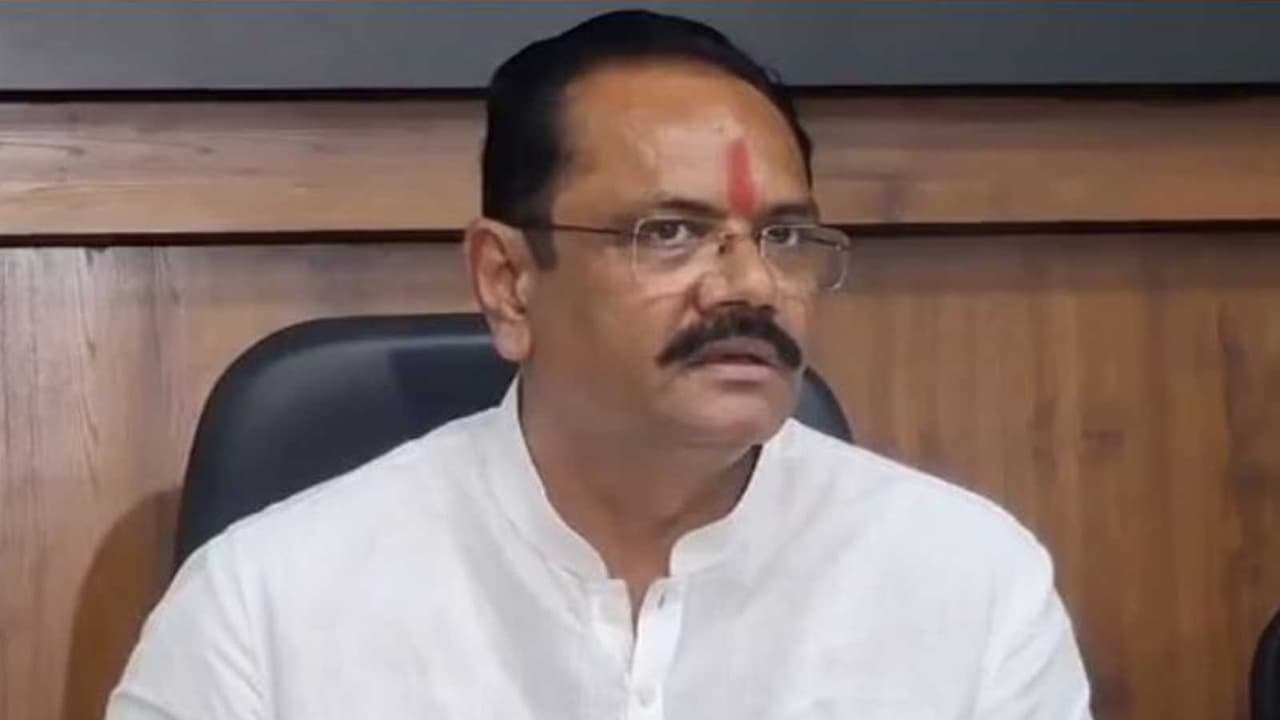
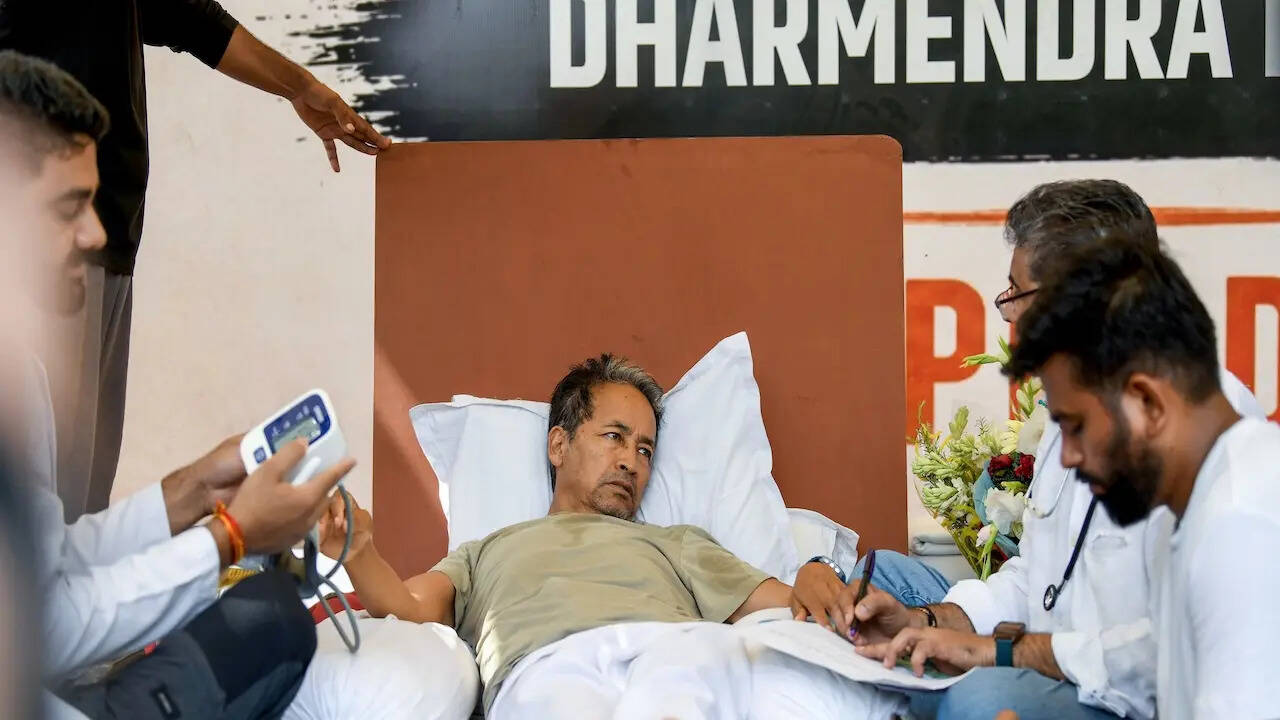
As the hunger strike led by environmental activist and educator Sonam Wangchuk enters its eighteenth day, the political landscape surrounding the protest has intensified. The prolonged demonstration, centered on demands for significant accountability within the Union Ministry of Education, has drawn sharp criticism from emerging political voices. Among the most vocal is Abhijeet Dipke, founder of the Cockroach Janta Party, who has publicly condemned the central government’s silence, characterizing the administration’s refusal to engage with the activist as a display of systemic cruelty.
The core of the dispute revolves around Wangchuk’s explicit demand for the resignation of Union Education Minister Dharmendra Pradhan. The activist’s protest, which has transitioned from a localized movement into a broader national conversation regarding governance and educational policy, has placed significant pressure on federal authorities. While the government has yet to issue a formal response or initiate dialogue, the physical toll on the protestor has sparked widespread concern among supporters and political observers alike, raising questions about the threshold for government intervention in civil demonstrations.
The Policy Context: Accountability and Educational Reform
At the heart of the current standoff is a profound dissatisfaction with the trajectory of national education policy. Critics of the current leadership argue that the Ministry of Education has failed to address systemic inefficiencies that disproportionately affect rural and marginalized communities. For many who support the hunger strike, the demand for Minister Pradhan’s resignation is not merely a political maneuver, but a symbolic rejection of a bureaucratic framework they believe has become detached from the needs of the common citizen.
The Cockroach Janta Party, led by Dipke, has utilized this moment to highlight what it describes as the "institutional apathy" toward grassroots movements. By framing the government’s inaction as a moral failure, the party is attempting to shift the narrative from a policy debate to a fundamental discussion about the rights of activists to be heard in a democratic society. As the protest continues, the lack of a mediating body or a formal communication channel between the agitators and the ministry has only served to deepen the divide, leading to increased calls for transparency in how educational mandates are formulated and enforced.
The Human Toll and Public Sentiment
Eighteen days without food consumption represents a critical stage in any hunger strike, significantly increasing the risk of acute medical complications. Medical experts often note that by the third week, the human body begins to experience severe metabolic stress, including electrolyte imbalances and the potential for organ failure. The refusal of the state to acknowledge the activist’s condition has become a rallying point for various civil society groups, who argue that the government’s silence is an implicit endorsement of the status quo at the expense of human life.
Public sentiment remains polarized. While some segments of the political establishment maintain that the government should not succumb to "pressure-cooker politics," others argue that a functioning democracy is defined by its ability to engage with dissenting voices, regardless of the intensity of their protest. The ongoing stalemate highlights a growing tension between centralized executive power and the increasing assertiveness of individual activists who utilize non-violent, high-stakes methods to force public accountability.
What This Means for Farmers
While the protest is primarily focused on the Union Ministry of Education, the ripple effects of this political instability are felt throughout the agricultural community. For farmers, the stability of national policy is paramount. When government focus is diverted by high-stakes political crises, there is often a corresponding lag in the implementation of critical agricultural schemes, research funding, and market support programs.
- Policy Stagnation: Prolonged political standoffs often result in the stalling of legislative agendas. Farmers relying on timely policy rollouts—such as subsidies or input cost adjustments—may face delays as government resources are diverted to manage political crises.
- Advocacy and Representation: The current situation serves as a stark reminder of the power and risks associated with grassroots activism. For farmers' unions, the event underscores the importance of maintaining robust, non-violent channels of communication with the government to ensure that rural concerns are not ignored in the face of broader political agendas.
- Economic Uncertainty: Market confidence is often tied to political stability. Prolonged unrest can lead to investor hesitation and volatility in commodity markets, which ultimately affects the bottom line for producers. Farmers are encouraged to monitor these developments closely, as shifts in political personnel or policy direction can lead to rapid changes in export-import regulations and domestic support structures.
- Actionable Advice: Agricultural stakeholders should prioritize engagement with local representatives and agricultural boards to ensure that their specific needs remain on the agenda, even when national headlines are dominated by unrelated political movements. Maintaining strong, localized advocacy ensures that the rural voice remains independent of national political volatility.