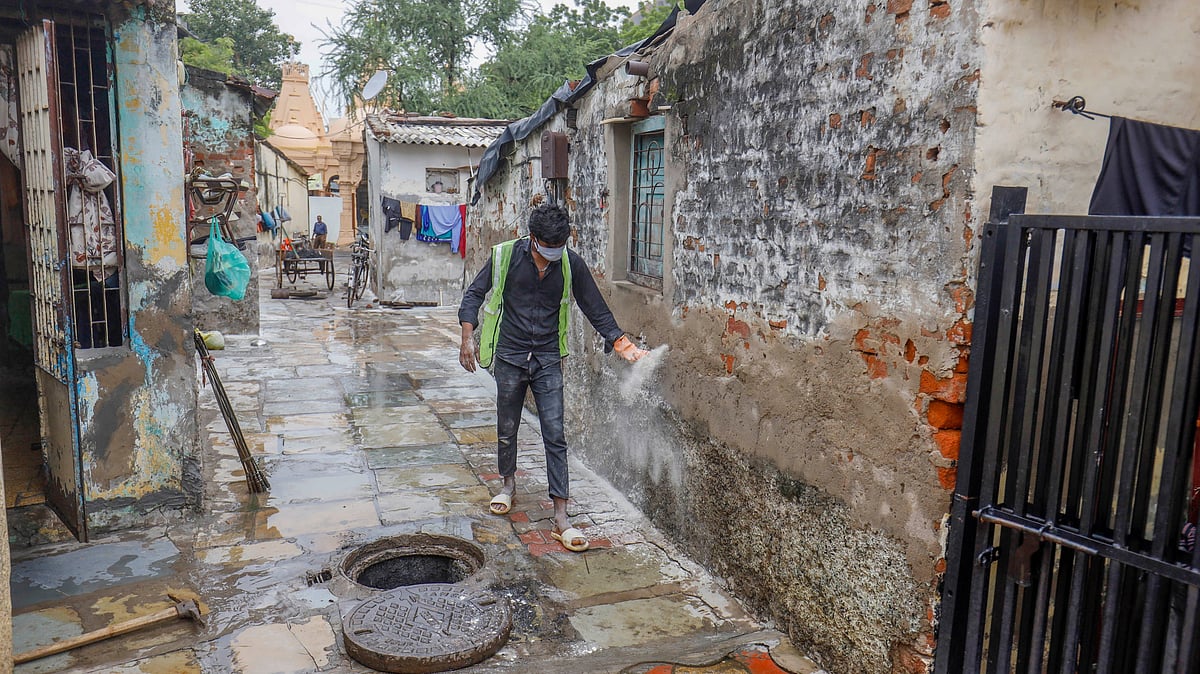
Understanding the Chandipura Virus: Historical Context and Recent Outbreaks
The recent surge in cases of the Chandipura virus (CHPV) in Gujarat, which has tragically resulted in the deaths of 22 children, has sparked widespread concern among public health officials and rural communities alike. According to reports from the state government, out of 184 suspected cases, 35 individuals have tested positive for the viral infection. While the current situation remains critical, with seven patients still receiving active medical treatment, infectious disease experts and public health officials have emphasized a vital point: the Chandipura virus is not a new or emerging pathogen in India.
First identified in 1965 in the Chandipura village of Maharashtra, the virus has historically surfaced in sporadic clusters across central and western India. As a member of the Rhabdoviridae family, the virus is primarily transmitted through the bites of vectors such as sandflies, mosquitoes, and ticks. Because these vectors thrive in rural and peri-urban environments where sanitation and housing infrastructure may be vulnerable, outbreaks often correlate with monsoon conditions, which facilitate the breeding of these insects in the soil and cracks of traditional mud-walled homes.
The Transmission Cycle and Epidemiological Patterns
The epidemiology of the Chandipura virus is intrinsically linked to agricultural landscapes and the proximity of human dwellings to livestock. The virus is a zoonotic pathogen, meaning it circulates within animal populations before jumping to humans via insect bites. Sandflies, the primary vector, are commonly found in the organic matter and damp soil prevalent in rural farmsteads. During the monsoon season, increased humidity levels create an ideal environment for these vectors to multiply, significantly elevating the risk of transmission to children, who are the most susceptible demographic to the severe neurological complications associated with the disease.
Clinically, the infection often begins with a sudden onset of high fever, followed by rapidly progressing neurological symptoms, including encephalitis—an inflammation of the brain. The speed at which the virus moves from initial symptoms to critical stages is what makes early detection and supportive care so vital. Because there is currently no specific antiviral treatment or vaccine available for the Chandipura virus, medical management focuses on intensive supportive care, such as managing intracranial pressure and stabilizing vital signs. The historical persistence of the virus suggests that it remains endemic in certain pockets of the country, waiting for the right environmental triggers to cause localized outbreaks.
What This Means for Farmers
For agricultural communities, the presence of the Chandipura virus highlights the necessity of integrated vector management and improved sanitation standards within farm housing. While the virus is not a livestock disease in the traditional sense, the environmental factors that encourage vector proliferation—such as keeping livestock in close proximity to human living areas—must be addressed.
Practical Steps for Risk Mitigation:
- Structural Maintenance: Sandflies often breed in the crevices of mud walls and earthen floors. Plastering cracks and maintaining smooth, clean surfaces in living areas can significantly reduce the habitat available for these vectors.
- Sanitation and Hygiene: Clearing organic waste and debris from the immediate vicinity of the home is essential, as these materials provide the moisture and food sources needed for sandflies and other insects to thrive.
- Personal Protection: During peak monsoon months, the use of mosquito nets—specifically those treated with insecticides—can provide a critical barrier between children and disease-carrying vectors during sleep, which is when many bites occur.
- Early Symptom Recognition: Farmers and rural families should be vigilant for signs of acute fever accompanied by lethargy, convulsions, or altered mental states in children. Immediate transport to a medical facility is necessary, as early supportive care is the only effective way to improve survival rates.
- Collaboration with Health Services: Local government health departments often conduct surveillance during the rainy season. Farmers should cooperate with local health workers regarding vector control measures, such as indoor residual spraying, which can drastically lower the population of sandflies in high-risk zones.
Ultimately, while the Chandipura virus is a recurring challenge, it is one that can be managed through persistent environmental hygiene and public health awareness. By understanding the link between the farm environment and the life cycle of the vector, rural families can take proactive steps to protect their children from future outbreaks.