Public Health Alert: Understanding the Chandipura Virus Outbreak in Gujarat
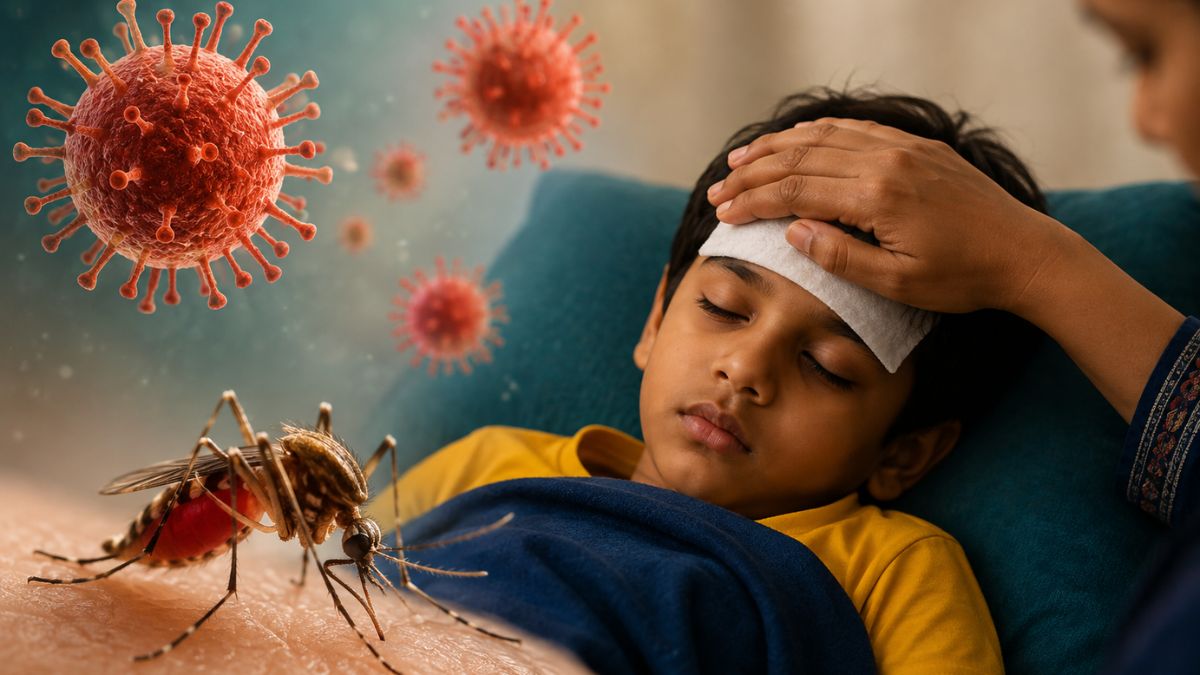
The state of Gujarat is currently navigating a significant public health challenge as health authorities report a concerning surge in Chandipura virus (CHPV) infections. With the state health department confirming 35 cases and multiple fatalities, the medical community and agricultural stakeholders are on high alert. The virus, which primarily targets children, is known for its rapid progression and ability to induce Acute Encephalitis Syndrome (AES)—a severe condition characterized by inflammation of the brain.
As the government intensifies surveillance, vector control, and clinical management strategies, the outbreak has once again brought to light the intersection of environmental conditions and public health. Understanding the nature of the virus, its transmission patterns, and the necessary response protocols is essential for communities, particularly those in rural and peri-urban areas where the vectors thrive.
Etiology and Transmission: The Rhabdoviridae Factor
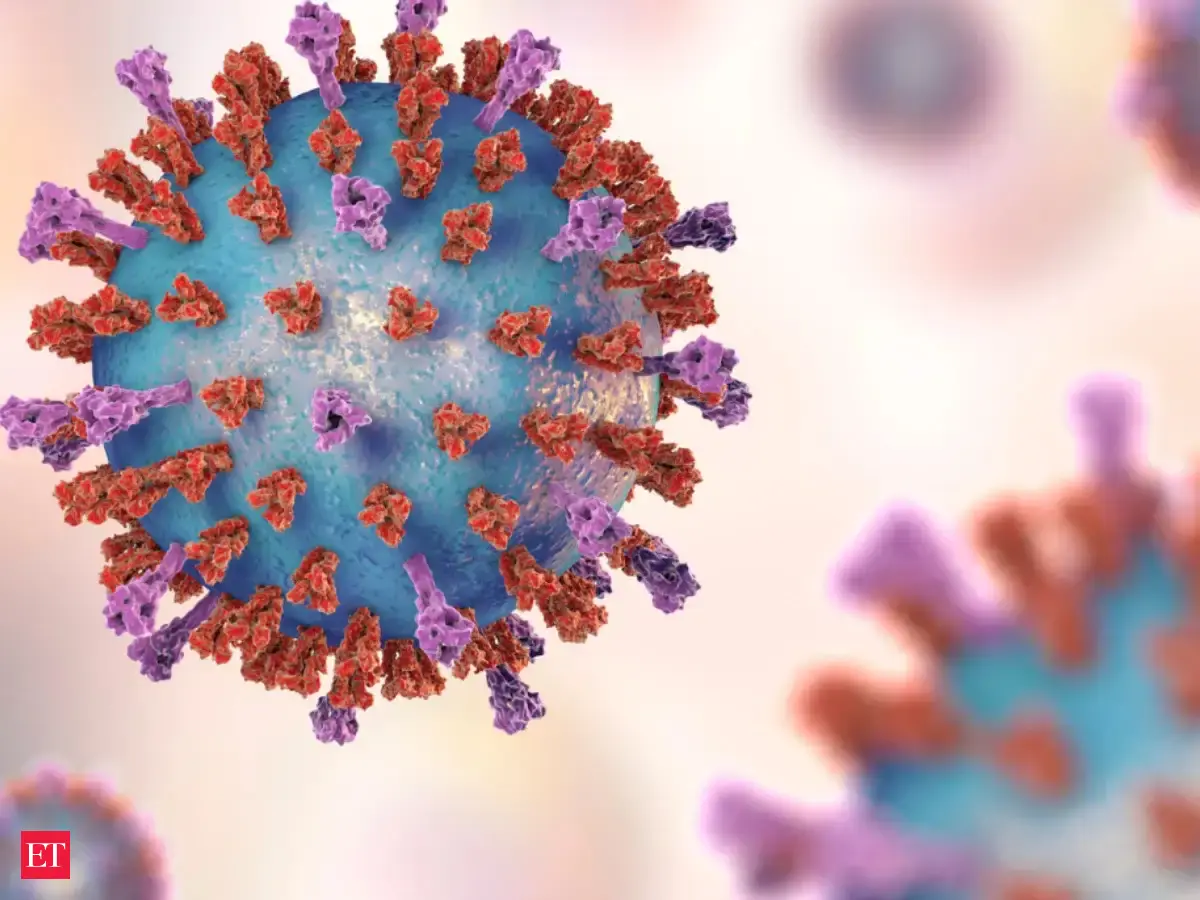
The Chandipura virus belongs to the Rhabdoviridae family, the same taxonomic group that includes the rabies virus. First isolated in 1965, CHPV is an arbovirus, meaning it is transmitted to humans through the bite of infected arthropods. In the context of the current outbreak, the primary vectors identified include sandflies, mosquitoes, and certain types of ticks. These vectors are often found in environments characterized by high humidity, organic matter, and specific housing conditions, such as mud-walled dwellings with thatched roofs.
The pathogenesis of the virus is alarmingly swift. Once a child is bitten by an infected vector, the virus enters the bloodstream and can cross the blood-brain barrier, leading to rapid neurological deterioration. Symptoms typically begin with a sudden onset of high fever, followed by vomiting, convulsions, and altered sensorium. Because the virus causes inflammation in the brain, patients may rapidly slip into a coma if medical intervention is not sought within the initial hours of symptom onset. There is no specific antiviral treatment for CHPV, making early supportive care and intensive clinical management the primary pillars of survival.
State Surveillance and Mitigation Strategies
In response to the rising case count, the Gujarat government has mobilized a multi-pronged containment strategy. Health officials are focusing on three primary areas: vector control, community awareness, and clinical preparedness. Vector control efforts involve widespread indoor residual spraying (IRS) in affected villages and surrounding areas to reduce the population of sandflies and mosquitoes. Furthermore, public health teams are conducting door-to-door screenings to identify symptomatic children early, facilitating swift transfer to district-level hospitals equipped with pediatric intensive care units.
Beyond immediate clinical response, the state is emphasizing environmental management. Because these vectors breed in moist soil and decaying organic material, public health advisories are encouraging the clearing of vegetation near homes and the improvement of housing hygiene. By disrupting the life cycle of the vector, authorities aim to break the chain of transmission, which is particularly critical during the monsoon season when vector populations typically peak.
What This Means for Farmers
For the agricultural community, particularly in rural Gujarat, the Chandipura virus outbreak carries specific implications that necessitate proactive management and vigilance:
- Increased Vector Awareness: Agricultural workers are often at higher risk of exposure due to their proximity to fields and livestock housing. Maintaining clean, dry conditions around animal sheds and storage areas can help mitigate the presence of sandflies and ticks.
- Early Detection is Vital: In rural settings where medical facilities may be distant, recognizing symptoms early is a life-saving skill. Farmers should be educated to monitor children for sudden high fever and lethargy. If these symptoms occur, seeking immediate medical attention at a government health center is non-negotiable.
- Personal Protective Measures: During peak transmission seasons, utilizing bed nets, wearing long-sleeved clothing during outdoor activities, and using insect repellents can significantly lower the risk of vector bites.
- Livestock and Environmental Sanitation: Because the virus is linked to specific environmental conditions, keeping livestock housing well-ventilated and free from accumulated moisture or organic debris is a practical step toward reducing the breeding grounds for disease-carrying insects.
- Economic Impact: Outbreaks of this nature can disrupt local labor markets and household stability. Farmers are encouraged to cooperate with local health surveillance teams and participate in government-led vector control initiatives to safeguard the health of their families and the broader community.
While the Chandipura virus is not a widespread seasonal occurrence, its high mortality rate demands a sustained, cautious approach. By integrating public health guidance into daily agricultural practices, farming families can significantly enhance their resilience against this and other vector-borne threats.