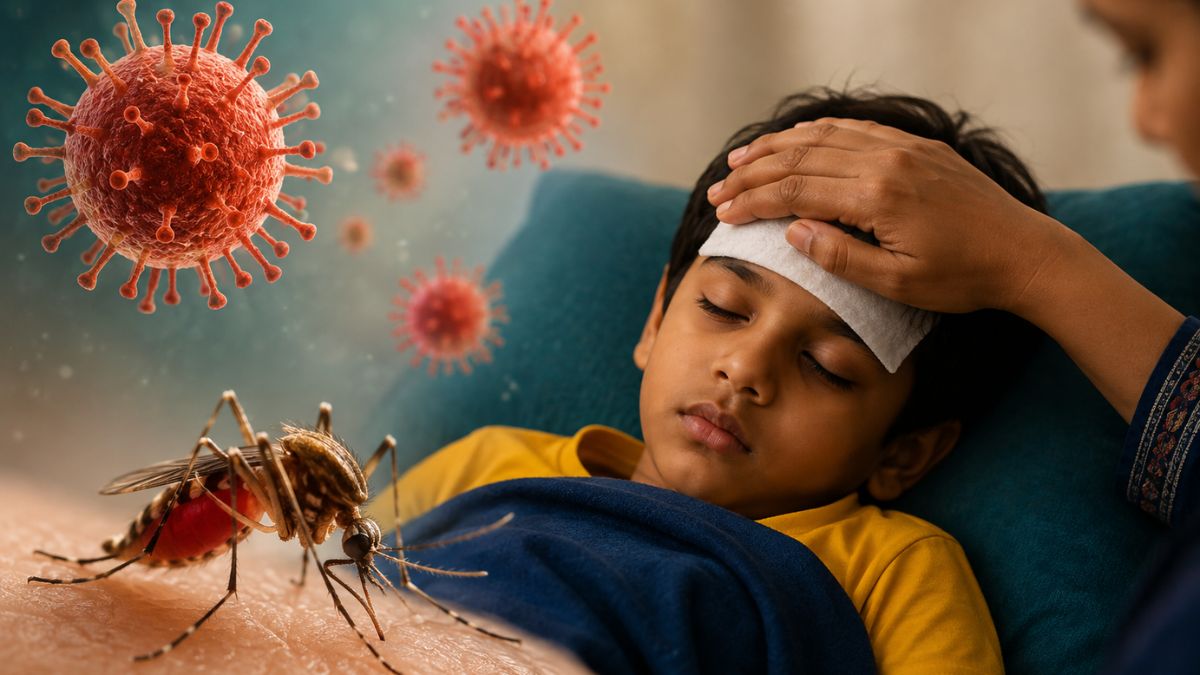
Understanding the Chandipura Virus: Navigating Recent Outbreaks in Pediatric Populations
The recent emergence of Chandipura virus (CHPV) cases within the state of Gujarat has sparked significant concern among public health officials and parents alike. As a viral pathogen primarily transmitted through vectors, its sudden resurgence has necessitated a swift response from medical experts to prevent further spread. With all confirmed clinical cases currently concentrated in children under the age of 15, the medical community is emphasizing the critical need for heightened surveillance, early symptom recognition, and proactive community engagement to safeguard the most vulnerable members of the population.
Chandipura virus is an RNA virus belonging to the Rhabdoviridae family, the same taxonomic group that includes the rabies virus. While it has been identified in various regions across India in the past, its sporadic nature makes it difficult to predict. The virus is primarily zoonotic, circulating among small mammals and insects. In agricultural and rural settings, where children frequently interact with the environment, the risk of vector-borne transmission increases, particularly during the monsoon and post-monsoon seasons when insect activity is at its peak.
The Clinical Progression: Identifying Early Warning Signs
For parents and caregivers, distinguishing between common seasonal illnesses and the onset of a CHPV infection is paramount. The virus is known for its rapid progression, which is why clinical vigilance is essential. Initial symptoms often mimic common viral infections, presenting as a sudden onset of high-grade fever, which may be accompanied by headache, vomiting, and general lethargy. Because these symptoms are non-specific, they can easily be mistaken for routine flu or gastrointestinal distress.
However, the danger of Chandipura virus lies in its potential to affect the central nervous system. As the infection progresses, warning signs may manifest as altered mental status, drowsiness, convulsions, or unexplained irritability. Medical experts stress that if a child exhibits a rapid decline in consciousness or experiences seizures, immediate medical intervention is required. Unlike common childhood ailments that may resolve with supportive care at home, CHPV-related neurological symptoms necessitate hospital-based monitoring, where clinicians can manage potential complications such as cerebral edema or respiratory distress.
Vector Control and Environmental Management
Because there is currently no specific antiviral treatment or widely available vaccine for the Chandipura virus, the primary defense remains aggressive vector control and environmental management. The virus is primarily transmitted by sandflies, which thrive in specific environmental conditions often found in rural, agrarian landscapes. These insects are known to breed in cracks and crevices of mud walls, damp soil, and areas with poor sanitation.
Public health strategies are currently focusing on limiting the interaction between the vector and the pediatric population. This involves structural improvements in housing, such as sealing wall cracks, ensuring proper drainage around residential areas, and maintaining high standards of hygiene in livestock sheds located near homes. Furthermore, the use of protective clothing and insect-repellent measures during peak biting hours—typically dawn and dusk—is being advocated by health authorities to reduce the likelihood of transmission. By managing the immediate environment, families can significantly lower the risk of exposure to the vectors that carry the virus.
What This Means for Farmers
For farming communities, the presence of the Chandipura virus highlights the importance of integrating public health awareness into daily agricultural operations. Because the virus is linked to environmental vectors, farmers play a crucial role in reducing the risk of outbreak.
- Improve Livestock Hygiene: Since sandflies often harbor in areas where livestock are kept, regular cleaning and disinfection of animal shelters are vital. Keeping livestock housing distinct and well-ventilated can reduce the population of vectors near living spaces.
- Structural Maintenance: Prioritize the maintenance of residential structures. Filling gaps, cracks, and crevices in mud-plastered walls and floors removes the primary breeding grounds for sandflies.
- Community Surveillance: In rural areas where health infrastructure may be distant, farmers and village leaders should maintain open lines of communication with local health centers. Recognizing the "cluster" nature of these outbreaks means that if multiple children in a single area show similar symptoms, authorities must be notified immediately to deploy vector control teams.
- Proactive Protection: Encourage the use of long-sleeved clothing and mosquito nets for children, especially during the monsoon season. Simple, low-cost physical barriers remain the most effective tool in preventing vector-borne diseases in regions where medical access is limited.
- Avoid Panic: While the virus is serious, not every fever in a child is indicative of CHPV. Farmers should focus on sanitation and vector mitigation rather than fear, ensuring that children are monitored closely for neurological shifts while maintaining normal routines.