Public Health Alert: Gujarat Intensifies Response to Chandipura Virus Outbreak
The state of Gujarat is currently navigating a significant public health challenge as health authorities confirm an uptick in cases of the Chandipura virus. Recent data released by the state health department indicates that 12 individuals have tested positive for the virus, with an additional 63 suspected cases currently under clinical observation. In response to the rising numbers, Gujarat’s Health Minister, Praful Pansheriya, convened an urgent review meeting to assess the state’s medical infrastructure and coordinate a robust containment strategy.
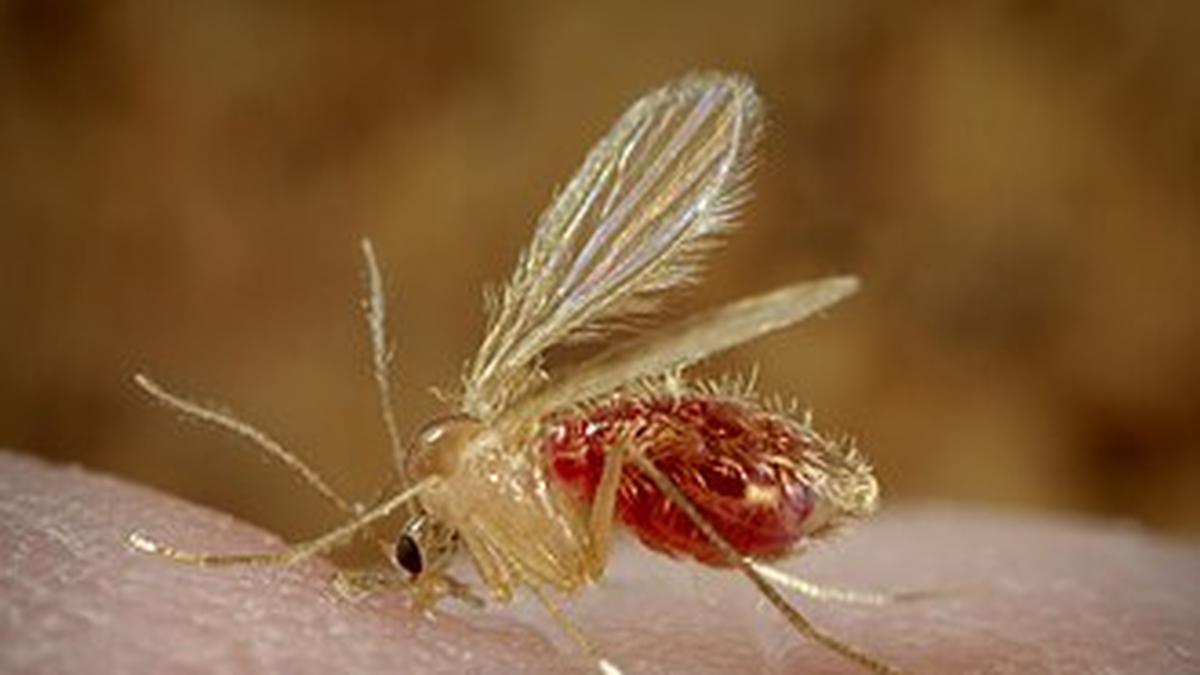
The Chandipura virus, a member of the Rhabdoviridae family, is primarily transmitted through the bites of vectors such as sandflies, mosquitoes, and ticks. The current outbreak has necessitated a swift shift in administrative priorities, focusing on aggressive surveillance and the rapid identification of transmission hotspots. As the state government mobilizes medical resources, the primary objective remains the interruption of the transmission cycle and the provision of specialized care for those currently exhibiting symptoms.
Surveillance and Hospital Preparedness Strategies
Health officials have implemented a multi-tiered approach to curb the spread of the virus. This strategy includes intensive health screenings in affected districts, with a particular focus on rural and peri-urban areas where vector breeding grounds are more prevalent. Mobile medical teams have been deployed to conduct household surveys, identifying individuals presenting with high fevers and neurological symptoms—the hallmark indicators of a Chandipura infection.
Hospital preparedness has been elevated to a state of high alert. Major healthcare facilities, particularly those in districts reporting suspected cases, have established dedicated isolation wards to manage patients effectively. Furthermore, the state is coordinating with diagnostic laboratories to expedite testing processes, ensuring that suspected cases are confirmed or ruled out with minimal delay. Public health messaging is also being disseminated through local channels to educate the populace on the importance of early reporting, as timely medical intervention is critical in managing the progression of the virus.
Understanding Vector Dynamics in Agricultural Landscapes
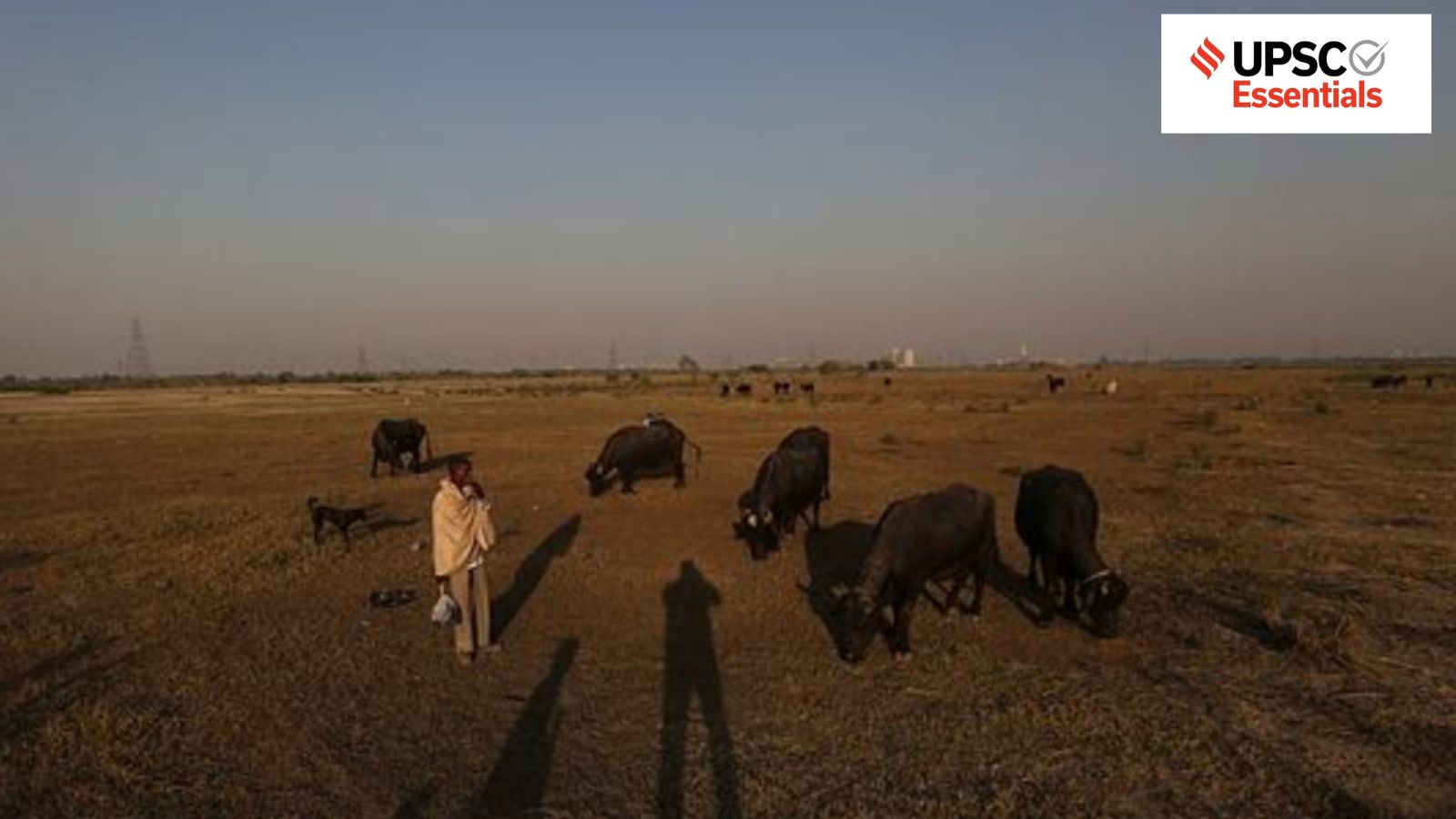
The Chandipura virus is intrinsically linked to environmental conditions that favor the proliferation of its primary vectors. In agricultural settings, the intersection of livestock housing, unhygienic waste disposal, and stagnant water creates an environment conducive to sandfly and tick breeding. Managing an outbreak of this nature requires not only medical intervention but also environmental sanitation.
Vector control measures are currently being integrated into the broader public health response. This involves insecticide spraying campaigns in and around residential areas and livestock shelters. Agricultural workers and rural households are being urged to maintain cleanliness in animal pens and to utilize personal protective measures, such as long-sleeved clothing and mosquito nets, to minimize exposure to biting insects during peak activity hours, which typically occur at dusk and dawn.
What This Means for Farmers
For the farming community in Gujarat, this outbreak serves as a critical reminder of the importance of integrated pest and vector management. The presence of vectors like sandflies and ticks in agricultural environments can pose a dual threat to both human health and animal welfare.
Practical Steps for Mitigation:
- Sanitation of Livestock Areas: Farmers should prioritize the regular cleaning of cattle sheds and animal enclosures. Accumulations of organic waste, damp soil, and debris serve as ideal breeding grounds for sandflies.
- Environmental Management: Eliminate stagnant water sources and keep vegetation trimmed around dwellings and animal housing to reduce the resting sites for vectors.
- Personal Protection: Encourage family members and farm laborers to wear protective clothing during peak biting hours. Utilizing insect repellents and ensuring that living quarters are properly screened can significantly reduce the risk of transmission.
- Proactive Monitoring: If members of a farming household develop sudden high fever, vomiting, or altered mental states, they should seek medical attention immediately. Early diagnosis is the most effective tool in preventing severe complications.
- Animal Health Vigilance: While the primary concern is human health, maintaining the general hygiene and health of livestock is essential. Consult with local veterinary services if unusual tick or parasite infestations are observed in livestock, as these vectors can sometimes be shared between animals and humans.
By maintaining strict environmental hygiene and remaining vigilant for early symptoms, the agricultural community can play a vital role in supporting the state’s efforts to contain the Chandipura virus and protect the health of rural populations.