Chandipura Virus Outbreak Escalates in Gujarat: 22 Pediatric Deaths Reported
The state of Gujarat is currently grappling with a concerning public health emergency as the Chandipura virus (CHPV) has claimed the lives of 22 children during the ongoing monsoon season. The surge in cases has prompted health authorities to intensify surveillance and containment measures across affected districts. State Health Minister Praful Panseriya confirmed the grim toll on Monday, highlighting the severity of the outbreak as the virus continues to impact vulnerable pediatric populations.
According to official health reports, there have been 184 suspected cases identified across the region. Of these, 35 infections have been laboratory-validated as Chandipura virus, with diagnostic teams currently analyzing 11 additional samples to confirm further cases. While medical teams work to stabilize those currently affected, seven children remain under active clinical observation, receiving specialized care for the neurological symptoms associated with the infection.
Understanding the Vector-Borne Threat
The Chandipura virus is a member of the Rhabdoviridae family, the same family that includes the rabies virus. It is primarily transmitted to humans through the bites of vectors, most notably sandflies (Phlebotomus papatasi), though mosquitoes and ticks have also been implicated in the transmission cycle. The virus is known for its rapid progression and high morbidity rate in children, often presenting with sudden high fever, vomiting, altered mental status, and, in severe cases, acute encephalitis—an inflammation of the brain.
The current outbreak coincides with the monsoon season, a period when humidity and stagnant water create ideal breeding conditions for various insect vectors. Agricultural communities are often at higher risk during this time, as the proximity of livestock sheds and organic waste near residential areas can provide fertile ground for sandfly populations. The rapid onset of the virus makes early detection difficult, as initial symptoms frequently mirror common seasonal illnesses like influenza or malaria, leading to diagnostic challenges in rural primary health centers.
Public Health Response and Containment Strategy
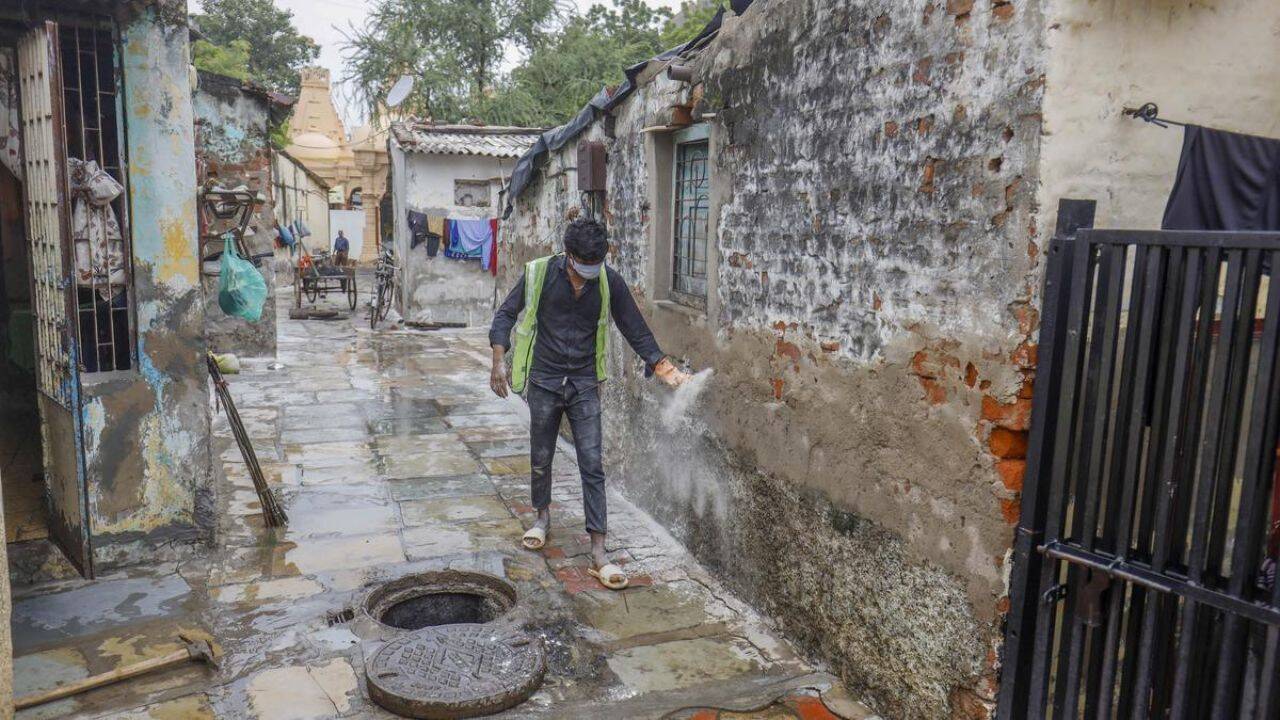
In response to the rising death toll, the Gujarat state health department has initiated a comprehensive containment strategy. This involves vector control operations, including widespread indoor residual spraying to eradicate sandfly populations in high-risk zones. Health officials are also conducting door-to-door surveys to identify children exhibiting early signs of fever or neurological distress, ensuring that suspected cases are referred to tertiary care facilities without delay.
Public awareness campaigns have been ramped up to educate parents and community leaders on the importance of sanitation and vector avoidance. Because there is currently no specific antiviral treatment or vaccine for the Chandipura virus, medical intervention remains focused on supportive care—managing intracranial pressure, controlling seizures, and providing intensive monitoring to prevent secondary complications. The state’s medical infrastructure is currently being bolstered to ensure that specialized pediatric care is accessible even in the most remote areas affected by the outbreak.
What This Means for Farmers
For farmers and agricultural workers, the Chandipura virus outbreak serves as a critical reminder of the intersection between environmental management and public health. Because the virus is vector-borne, the mitigation strategies required to curb the spread are deeply rooted in farm hygiene and habitat control.
- Sanitation and Habitat Management: Sandflies thrive in cracks in mud walls, damp soil, and areas with decaying organic matter. Farmers are advised to maintain cleanliness around livestock housing and storage sheds. Ensuring that animal pens are properly ventilated and kept dry can significantly reduce the breeding grounds for vectors.
- Personal Protection: During peak monsoon months, agricultural workers should prioritize personal protection measures, such as wearing full-length clothing when working in fields or near livestock at dawn and dusk—the periods when sandflies are most active.
- Early Symptom Recognition: The speed at which the Chandipura virus progresses means that time is the most critical factor in survival. Farmers and rural parents should not dismiss high fever in children, especially when accompanied by vomiting, convulsions, or unusual drowsiness. Seeking immediate medical attention at a professional health facility is essential, as delay can prove fatal.
- Community Cooperation: Farmers play a vital role in local reporting. By cooperating with health workers conducting indoor spraying and surveillance, rural communities can create a protective barrier against the spread of the virus. Proactive communication with local health authorities regarding any unusual spikes in insect activity or clusters of illness is highly recommended to contain localized outbreaks before they escalate.