Public Health Emergency: Chandipura Virus Outbreak Claims 22 Lives in Gujarat
The state of Gujarat is currently grappling with a severe public health crisis as a viral outbreak of the Chandipura virus has resulted in the tragic loss of 22 children. According to official statements from Gujarat Health Minister Praful Pansheriya, the victims are all under the age of 15, marking a significant concern for pediatric health in the region. The sudden surge in cases, particularly during the ongoing monsoon season, has prompted state health authorities to declare a high-alert status, intensifying surveillance and containment efforts across multiple districts.
Unlike localized outbreaks that are often confined to specific clusters, health officials have reported that cases are emerging from various parts of the state. This geographic spread complicates containment strategies and underscores the necessity for a robust, state-wide response. The Chandipura virus, a member of the Rhabdoviridae family, is a known pathogen that historically emerges during the rainy season, primarily affecting rural and semi-urban populations. The current escalation has necessitated an immediate mobilization of medical resources to identify, isolate, and treat suspected cases before they progress to severe neurological complications.
Understanding the Vector and Transmission Dynamics
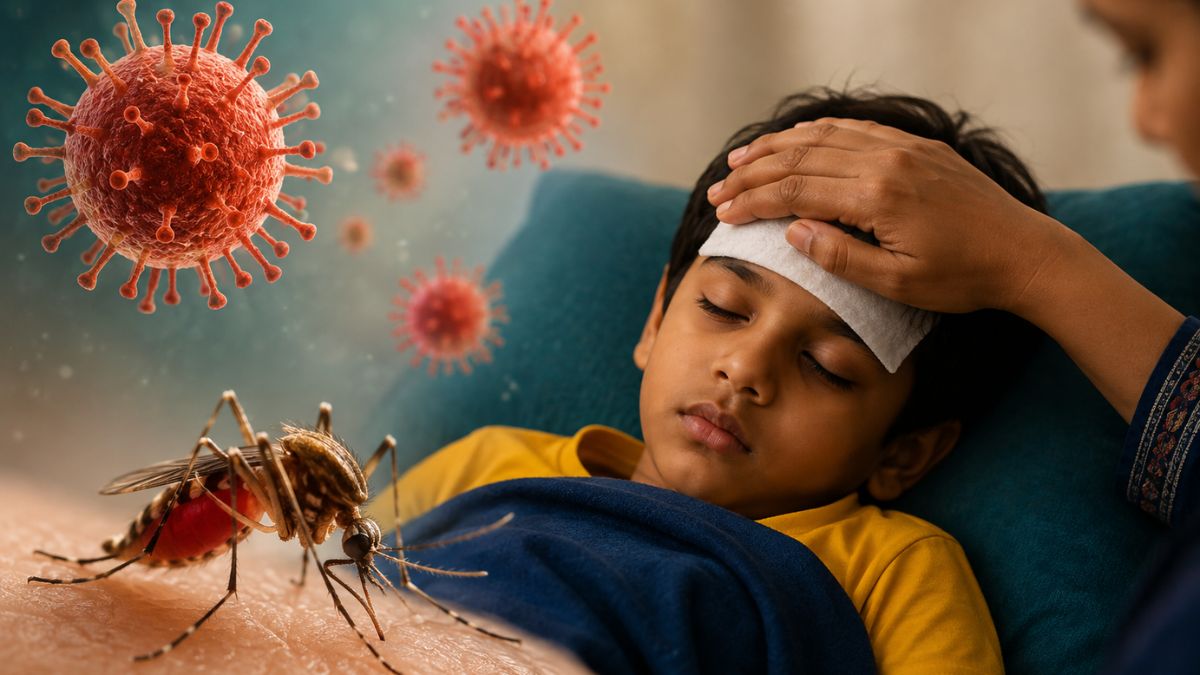
The Chandipura virus is primarily transmitted through the bite of vectors such as sandflies, mosquitoes, and ticks. In agricultural and rural settings, the prevalence of these vectors is often linked to environmental conditions, including moisture levels, sanitation, and the proximity of human dwellings to livestock and organic waste. The monsoon season provides an ideal breeding ground for these vectors, as increased humidity and stagnant water facilitate rapid population growth.
Clinical experts note that the virus is characterized by a rapid onset of symptoms, often beginning with high fever, vomiting, and convulsions. Because the virus can progress quickly to encephalitis—an inflammation of the brain—early detection is critical for survival. The current state health response focuses on enhancing diagnostic capabilities and ensuring that primary health centers are equipped to recognize the early warning signs of the infection. Given that the virus is zoonotic, the interplay between household hygiene, livestock management, and vector control is central to the epidemiological investigation currently underway.
State Response and Preventive Measures
In response to the mounting death toll, the Gujarat government has implemented a multi-pronged strategy to curb the spread of the virus. This includes widespread vector control programs, such as fogging and the clearing of stagnant water in affected rural pockets. Furthermore, health departments are conducting active surveillance to identify individuals presenting with febrile illnesses, ensuring they receive prompt medical attention.
Public awareness campaigns have also been intensified to educate parents and community leaders on the importance of sanitation and vector protection. By promoting the use of mosquito nets, encouraging the removal of organic debris near homes, and highlighting the importance of seeking immediate medical help for any child exhibiting fever or neurological symptoms, the state hopes to break the chain of transmission. The health department continues to monitor the situation closely, with specialized medical teams deployed to high-risk areas to provide technical support to local clinical staff.
What This Means for Farmers
For the agricultural community, the outbreak serves as a stark reminder of the intersection between environmental management and public health. Farmers and rural residents are often at the front lines of exposure due to their proximity to vector breeding grounds.
Practical Steps for Risk Mitigation:
- Improve Farm Sanitation: Regularly clear stagnant water, piles of organic waste, and damp foliage around farmsteads and livestock sheds, as these serve as primary habitats for sandflies and mosquitoes.
- Livestock Management: Maintain clean living conditions for livestock. Ensure that animal sheds are well-ventilated and kept at a distance from family living quarters to minimize the risk of vector migration.
- Personal Protection: Encourage the use of long-sleeved clothing and mosquito nets, particularly for children, during the peak hours of vector activity, which typically occur at dusk and dawn.
- Early Symptom Recognition: Farmers should be vigilant regarding the health of children in their households. If a child develops a sudden high fever, irritability, or shows signs of lethargy or convulsions, do not wait for symptoms to worsen. Seek professional medical assistance at the nearest government hospital immediately.
- Community Cooperation: Participate actively in village-level sanitation drives and health surveillance programs initiated by local authorities. Collective action is the most effective way to eliminate vector breeding sites in rural environments.
The current situation requires a proactive approach to farmstead hygiene and a heightened state of awareness. By integrating these preventive measures into daily agricultural routines, farming families can significantly reduce the risk of exposure and contribute to the collective effort to control this deadly outbreak.