Emerging Public Health Concern: Chandipura Virus Outbreak Sparks Vigilance in Rural Regions
A concerning surge in Chandipura virus (CHPV) cases has triggered a high-level public health response across several states. Recent reports confirm nine fatalities linked to the pathogen, including two pediatric cases involving children from Rajasthan who were receiving specialized care in Gujarat. As health authorities scramble to contain the spread, the outbreak has cast a spotlight on the intersection of vector-borne disease management and rural health infrastructure. The Chandipura virus, a member of the Rhabdoviridae family—the same viral lineage responsible for rabies—is characterized by its rapid progression and high mortality rate, particularly among vulnerable pediatric populations.
Understanding the Pathogen: Vectors and Transmission Dynamics
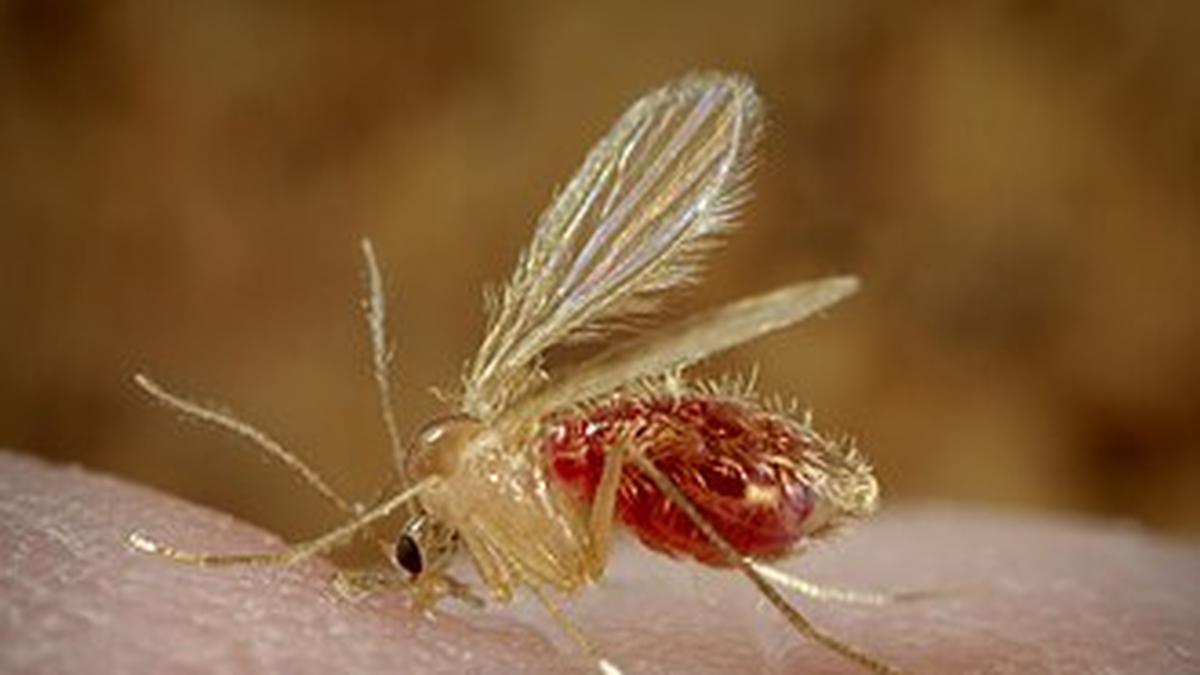
The Chandipura virus is primarily an arthropod-borne pathogen, meaning its transmission cycle relies on insect vectors. Epidemiological research identifies the sandfly, specifically the Phlebotomus papatasi species, as the primary carrier. These vectors are prevalent in rural and semi-rural environments, often thriving in the micro-climates created by mud-plastered walls, thatched roofs, and livestock enclosures.
Unlike many common seasonal illnesses, CHPV is noted for its acute onset. Once introduced into the human host, the virus targets the central nervous system, often manifesting as encephalitis—an inflammation of the brain. Symptoms typically begin with a sudden high fever, followed by rapid neurological decline, including convulsions, altered sensorium, and coma. Because the virus belongs to the Rhabdoviridae family, its clinical presentation can mirror other severe viral encephalitides, making timely diagnosis and clinical differentiation essential for patient survival. Currently, there is no specific antiviral treatment for CHPV, and clinical management is largely supportive, focusing on managing intracranial pressure and stabilizing vital functions.
Environmental Factors and the Rural Connection
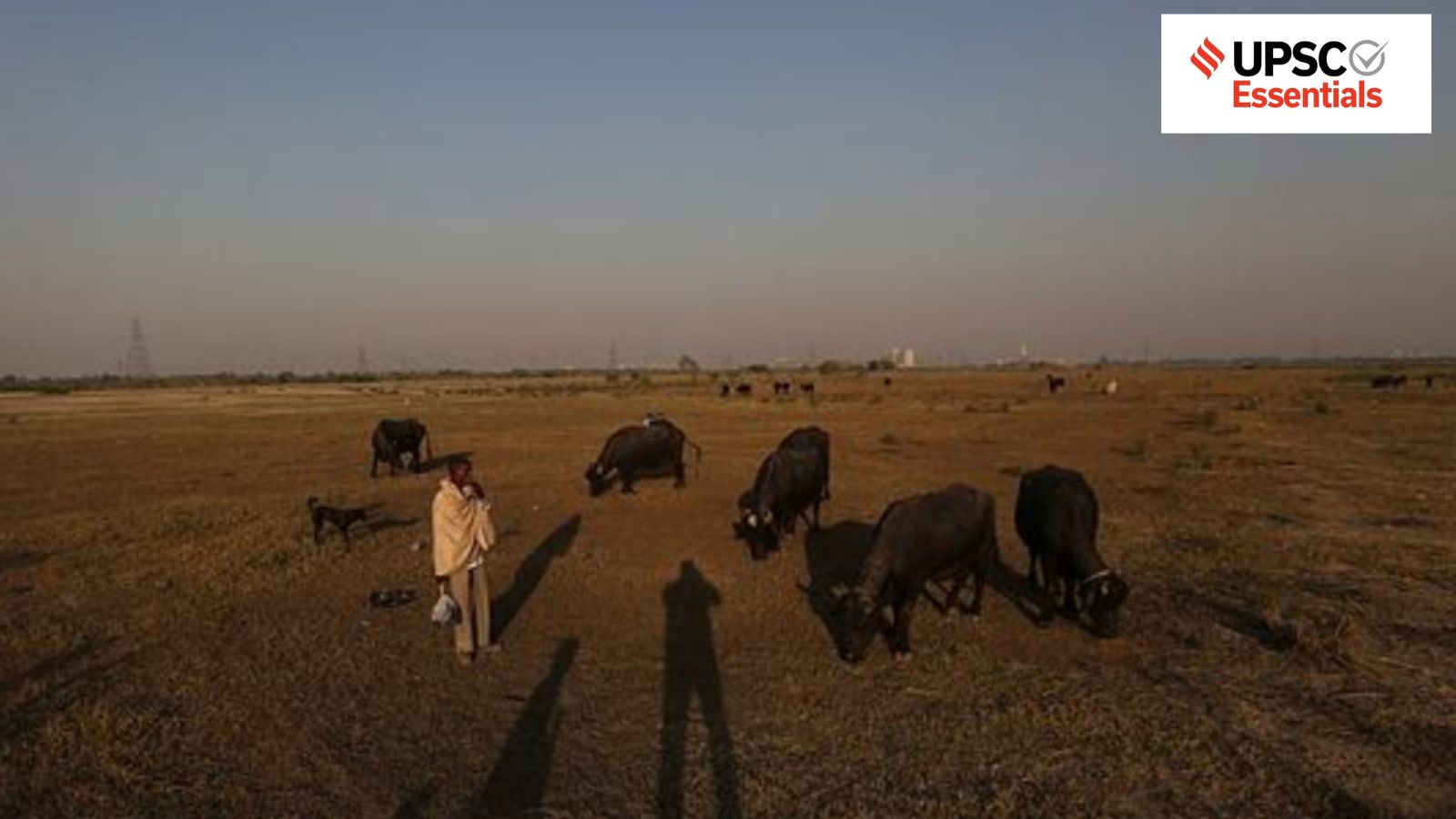
The geography of the current outbreak highlights the strong link between land-use patterns and vector density. Sandflies require specific environmental conditions to breed, including high humidity and organic matter, which are frequently found in agricultural settings. The presence of livestock in close proximity to human living quarters—a common practice in many rural farming communities—can exacerbate the issue by providing a constant blood meal source for the vector population.
Seasonal patterns also play a significant role in the lifecycle of the virus. Incidence typically peaks during the pre-monsoon and monsoon months, periods characterized by higher humidity levels that favor the proliferation of sandflies. Public health officials are currently conducting extensive contact tracing and vector surveillance in affected districts. Efforts are focused on identifying "hotspots" where environmental conditions facilitate the transmission cycle, with local health departments initiating insecticide spraying and community awareness campaigns to reduce the human-vector interface.
What This Means for Farmers
For the agricultural community, the current CHPV outbreak necessitates a proactive approach to farmstead hygiene and personal protection. While the virus is not transmitted directly between humans, the proximity of livestock and the physical structure of farm dwellings play a critical role in the presence of the vector.
- Improve Structural Hygiene: Sandflies favor the cracks and crevices found in traditional mud-plastered dwellings. Regularly repairing and sealing wall cracks can significantly reduce the potential breeding grounds for these vectors.
- Livestock Management: Ensure that animal enclosures are kept clean and are situated at a reasonable distance from residential living areas. Proper waste management and the removal of organic debris around the farm can discourage vector populations.
- Personal Protection: During peak transmission seasons, prioritize the use of bed nets (especially those treated with insecticide) for children, as they are the most vulnerable demographic. Wearing long-sleeved clothing and utilizing insect repellents during dusk and dawn—when sandfly activity is highest—serves as an effective barrier.
- Recognize Early Warning Signs: In the event of a high fever accompanied by sudden confusion, seizures, or lethargy in children, time is the most critical factor. Farmers are advised to bypass self-medication and seek immediate professional medical attention at a primary health center or district hospital.
- Economic Vigilance: While the virus does not directly affect livestock health, the disruption caused by outbreaks can impact labor availability and market access. Staying informed through official veterinary and health department circulars will help in coordinating community-level prevention efforts that protect both families and the broader agricultural economy.