Gujarat Shifts Infrastructure Strategy: Cement-Concrete Roads Set to Replace Asphalt in Urban Centers
The government of Gujarat has officially announced a strategic shift in urban infrastructure development, confirming that future road construction projects across the state’s major cities will transition from traditional asphalt (bitumen) surfaces to reinforced cement-concrete (CC). This policy pivot marks a significant departure from conventional road-building practices, signaling a long-term commitment to enhancing urban connectivity through more durable and resilient materials.
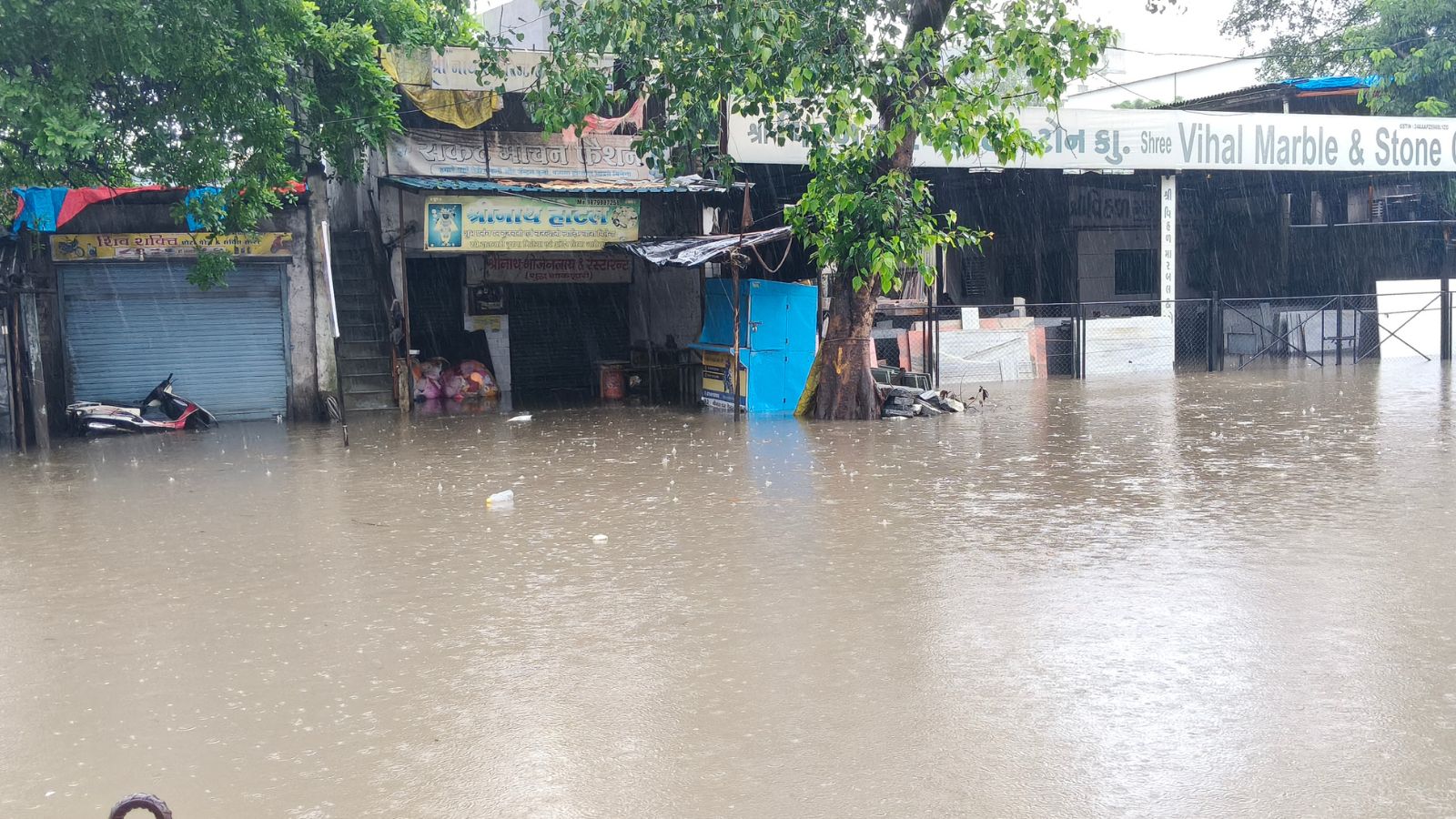
Government officials have underscored that the move is driven by the necessity for infrastructure that can withstand the dual pressures of increasing vehicular traffic and extreme climatic variability. By moving toward rigid pavement structures, the administration aims to create a more robust urban network that reduces the frequency of roadway failures, which have historically plagued asphalt surfaces during heavy monsoon seasons and periods of intense heat.
The Technical Case for Cement-Concrete Infrastructure
From an engineering perspective, the transition to cement-concrete roads is grounded in the material’s superior structural integrity. Unlike asphalt, which is a flexible pavement, concrete acts as a rigid slab that distributes loads over a wider area. This characteristic makes CC roads significantly more resistant to the deformation, rutting, and "potholing" that typically occur on bitumen roads under the weight of heavy commercial vehicles and public transit buses.
Furthermore, the thermal stability of concrete provides a distinct advantage in India’s climate. Asphalt surfaces tend to soften under extreme summer temperatures, leading to surface degradation and structural fatigue. Concrete, conversely, maintains its rigidity across a broader temperature spectrum. Additionally, the reflective nature of concrete—often referred to as its "albedo effect"—helps mitigate the urban heat island effect, as these surfaces absorb less solar radiation compared to the dark, heat-retaining properties of bitumen.
While the initial capital expenditure for cement-concrete roads is higher than that of flexible asphalt pavements, state planners argue that the total life-cycle cost is substantially lower. The durability of concrete means a significantly reduced requirement for periodic patching, resurfacing, and major repairs. By minimizing the frequency of road closures for maintenance, the government anticipates a smoother flow of traffic, leading to improved logistics efficiency and reduced fuel consumption for commuters and freight operators alike.
Logistical Integration and Urban Planning
The transition is not merely a material change but a broader upgrade to urban utility management. Integrating CC roads requires meticulous planning regarding underground infrastructure, such as water pipelines, sewage systems, and fiber-optic cabling. Because concrete roads are more difficult to excavate than asphalt, the government is emphasizing a "utility-first" approach, ensuring that all subterranean service lines are upgraded or serviced before the concrete is poured.
This approach is expected to usher in a new standard of urban planning where the road surface is treated as a long-term asset rather than a temporary layer. For urban local bodies, this means shifting from reactive maintenance cycles—where teams are constantly dispatched to fill monsoon-induced potholes—to a proactive, long-term asset management strategy. The shift is expected to improve the overall aesthetic and functional quality of Gujarat’s metropolitan corridors, positioning them as models for modern infrastructure development in the country.
What This Means for Farmers
For the agricultural sector, the transition to cement-concrete roads carries both immediate logistical benefits and long-term economic implications:
- Reliable Farm-to-Market Connectivity: One of the primary hurdles for farmers is the "last-mile" connectivity issue, particularly during the monsoon season when rural and peri-urban roads often become impassable. The durability of CC roads ensures that agricultural produce can reach regional markets and cold storage facilities without the delays caused by road damage, reducing post-harvest losses.
- Reduced Transit Costs: Smoother, more durable road surfaces decrease the wear and tear on transport vehicles. For farmers and agricultural cooperatives, this translates into lower maintenance costs for their own transport fleets and, eventually, more competitive freight rates offered by logistics providers who face fewer delays and vehicle breakdowns.
- Improved Supply Chain Predictability: The reduction in road maintenance closures means more predictable travel times. For perishable commodities like dairy, fruits, and vegetables, where time is of the essence, the increased reliability of the road network reduces the risk of spoilage, ensuring higher quality produce reaches the end consumer.
- Strategic Planning for Rural Links: While the current focus is on urban centers, the shift in state-level infrastructure philosophy suggests that future rural link roads may eventually adopt similar standards. Farmers should monitor local government tenders and development plans, as the transition to concrete surfaces may influence regional land values and dictate the primary routes for heavy-duty agricultural machinery and transport logistics in the coming decade.