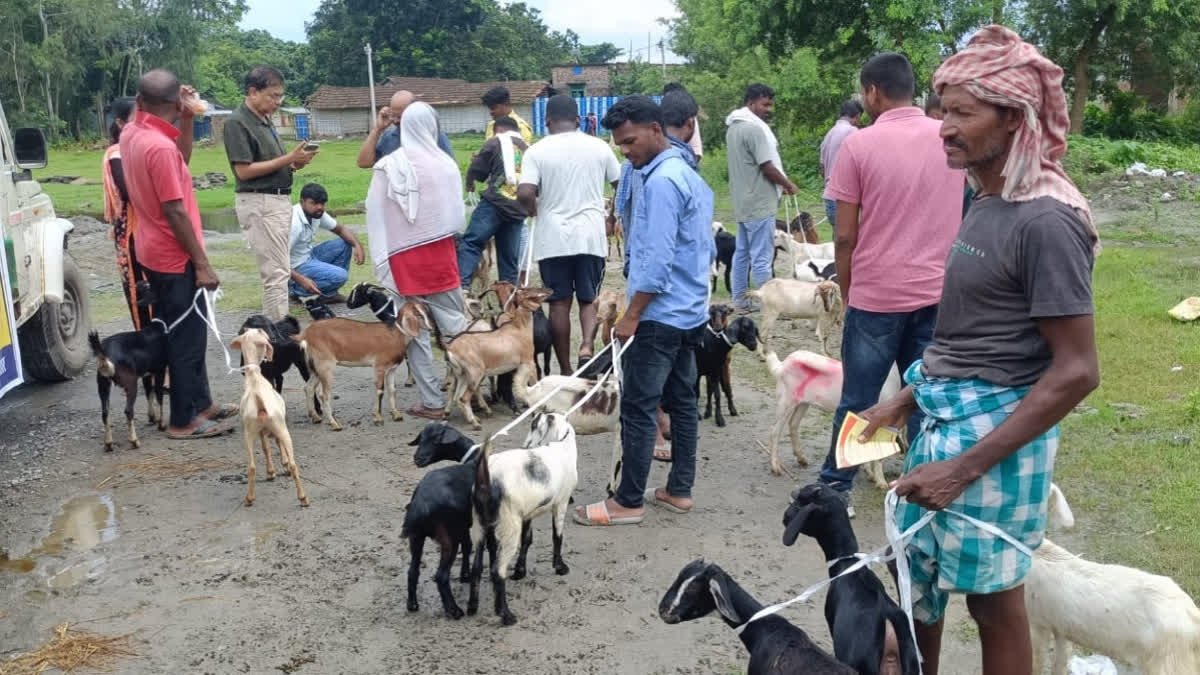
Bihar Cooperative Milk Federation Set to Launch Commercial Goat Milk Sales
In a strategic diversification of the state’s dairy sector, the Bihar State Cooperative Milk Producers' Federation (COMFED) has announced plans to introduce goat milk into the commercial market beginning this October. This initiative represents a significant shift for the cooperative, which has traditionally focused its infrastructure and distribution networks almost exclusively on bovine dairy products. By integrating goat milk into the existing supply chain, Bihar aims to tap into the growing niche market for alternative dairy, providing local producers with new revenue streams and diversifying the nutritional options available to consumers.
Addressing Market Dynamics and Seasonal Fluctuations
While the move marks a progressive step for the state’s agricultural infrastructure, officials have been transparent regarding the current lack of comprehensive data on local consumer demand. According to the state’s Department of Dairy, Fisheries, and Animal Resources, the market for goat milk remains largely informal and fragmented. Unlike the steady, year-round demand observed for cow and buffalo milk, the consumption patterns for goat milk in Bihar are subject to significant seasonal fluctuations. These variations are often tied to traditional health practices and specific dietary trends that spike during certain times of the year.
The decision to proceed despite these knowledge gaps reflects a proactive approach to agricultural development. By formalizing the collection and distribution process, the federation intends to act as a stabilizer for the market. By providing a consistent platform for goat milk sales, COMFED aims to normalize the availability of the product, potentially shifting it from a seasonal, hard-to-find commodity to a reliable staple on retail shelves. This transition will require a robust cold-chain management system, as goat milk requires specific handling to maintain its quality and nutritional integrity during transport and storage.
Infrastructure and Supply Chain Integration
The integration of goat milk into a cooperative model that is heavily optimized for bovine milk presents unique logistical challenges. Goat milk has a different fat globule structure and protein composition compared to cow milk, necessitating specialized processing equipment and distinct storage protocols to prevent cross-contamination and ensure product shelf-stability. The federation is currently working on streamlining these logistics to ensure that the small-scale producers—who typically manage goat herds—can be seamlessly integrated into the cooperative’s collection centers.
For the state’s veterinary and animal husbandry experts, this initiative also highlights the need for improved herd management practices. To meet the quality standards required for commercial bottling and distribution, farmers will need to adopt more rigorous hygiene standards during the milking process and improve the nutritional management of their herds. The federation’s involvement is expected to bring technical extension services to these smallholders, potentially elevating the overall health and productivity of the goat population in the region.
What This Means for Farmers
For the farmers of Bihar, the introduction of goat milk into the cooperative framework offers both opportunities and new operational requirements. The most immediate impact is the potential for a guaranteed, transparent pricing structure. Currently, small-scale goat keepers often sell their milk through informal channels where prices can be volatile and dependent on the immediate needs of local buyers. A cooperative-led market provides a stable, predictable income, which is crucial for long-term farm planning and investment.
However, this transition requires farmers to shift toward more professionalized production methods. To participate in the cooperative supply chain, producers should focus on the following:
- Quality Control: Farmers must prioritize clean milking practices and immediate cooling of the milk to meet the stringent quality standards set by the federation.
- Herd Health Management: Increased demand will necessitate better veterinary oversight, particularly regarding mastitis prevention and parasite control, which are critical for maintaining milk quality.
- Supply Consistency: Because the cooperative model relies on steady volumes, farmers are encouraged to coordinate with local extension officers to optimize breeding cycles, helping to mitigate the natural seasonal dips in production.
- Market Diversification: Farmers should view this as an opportunity to diversify their agricultural portfolio. By adding goat milk to their existing operations, producers can spread their financial risk and utilize resources—such as grazing land or feed—more efficiently.
As Bihar prepares for the October launch, the success of this program will depend largely on how well the cooperative can balance the logistical complexities of a new product line with the practical needs of the state’s small-scale goat farmers. If successful, this model could serve as a blueprint for other states looking to formalize their small-ruminant dairy sectors.