Unusual Encounter in Supaul: Farmer Transports Crocodile to Local Authorities
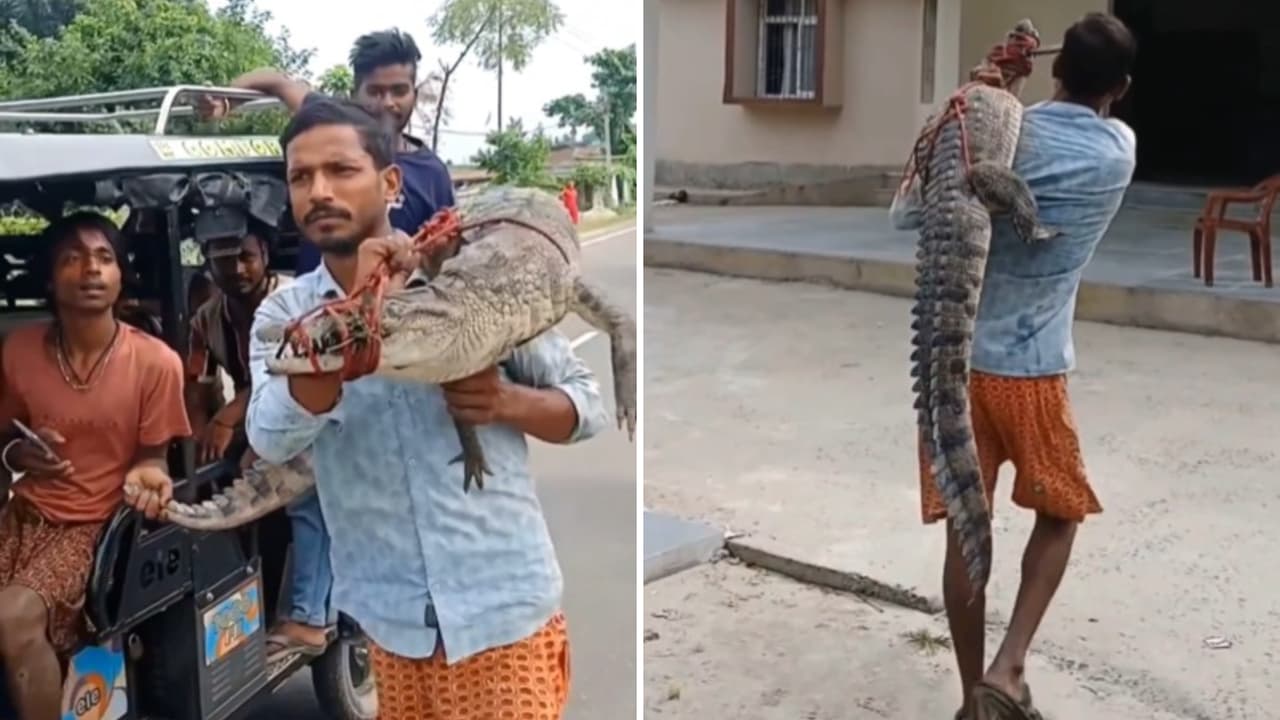
In a surreal development that has captured widespread attention across social media, a farmer in the Supaul district of Bihar took matters into his own hands after discovering an unexpected visitor in his paddy field. The incident, which has since gone viral, involved a local agriculturist capturing a nearly five-foot-long crocodile and transporting the reptile directly to the local police station on his shoulders.
The incident occurred during routine field maintenance, a time when farmers are typically focused on irrigation management and crop health. Instead, the individual faced a significant wildlife conflict situation. Rather than causing harm to the animal, the farmer and several nearby villagers worked collectively to restrain the reptile, ensuring it was secured before the farmer initiated the unconventional transport to seek official intervention.
Wildlife Management and Agricultural Safety
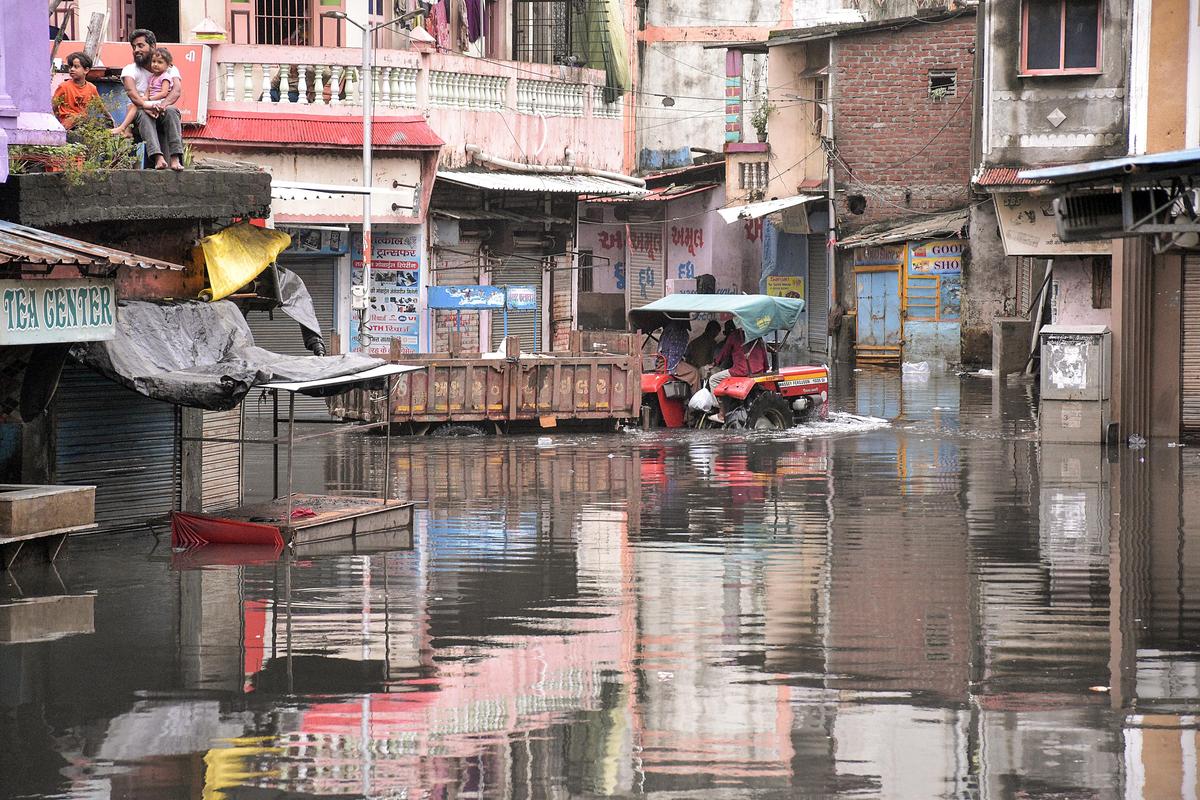
While the sight of a farmer carrying a apex predator on his shoulders is unprecedented, the presence of crocodiles in the agricultural lowlands of Bihar is a recurring environmental reality. The Kosi River basin, known for its complex hydrological network, frequently floods during the monsoon season. These flood events often result in wildlife, including crocodiles, migrating from their natural riverine habitats into nearby irrigation canals and flooded paddy fields.
For farmers in these regions, the intersection of wildlife conservation and agricultural safety remains a delicate balance. When a large reptile enters a cultivated field, it creates an immediate safety hazard for laborers and livestock. The decision to involve the police and subsequently the forest department highlights an increasing awareness of the need for formal wildlife intervention. Once the crocodile was delivered to the station, local authorities alerted forest officials, who arrived to assess the animal’s condition. Following a medical evaluation to ensure the reptile had not sustained injuries during the capture, officials successfully relocated the animal, releasing it safely back into the waters of the Kosi River.
The Ecological Context of the Kosi Basin
The Kosi River is a vital artery for the agricultural economy of North Bihar, providing essential water for rice cultivation. However, the river’s dynamic nature also turns it into a corridor for biodiversity. As human-wildlife encounters increase, experts suggest that farmers are becoming the first line of defense in protecting local species. While the farmer’s method of transport was unorthodox and posed significant personal risk, the outcome reflects a broader trend of rural communities prioritizing the survival of displaced wildlife.
Ecologists note that as land use intensity increases, the natural boundaries between aquatic wildlife and human cultivation continue to blur. The successful release of the crocodile underscores the importance of coordination between local law enforcement, the forest department, and the farming community. Moving forward, authorities are expected to provide more guidance on how farmers should handle such encounters, emphasizing professional capture techniques over manual intervention to prevent accidental injury to both humans and the animals involved.
What This Means for Farmers
The viral incident in Supaul serves as a stark reminder of the risks associated with farming in riverine floodplains. For farmers operating in similar environments, there are several key takeaways to ensure safety and regulatory compliance:
- Prioritize Personal Safety: While the farmer’s act of restraint was successful, attempting to handle large predators manually is extremely dangerous. Farmers are strongly advised to maintain a safe distance and alert local authorities or forest officials immediately upon spotting dangerous wildlife.
- Utilize Local Reporting Channels: Establishing a direct line of communication with local forest department officials can expedite rescue operations. In many districts, there are dedicated wildlife helplines designed to handle such incidents without placing the farmer at risk.
- Monitor Field Conditions During Flooding: Post-monsoon or after heavy rainfall, be extra vigilant when walking through standing water in fields. Crocodiles and other aquatic species often use these flooded paths to navigate, and visibility is often low in turbid, silt-heavy water.
- Community Cooperation: The collaborative approach taken by the villagers in Supaul—working together to observe and secure the area—is an effective strategy. By coordinating with neighbors, farmers can monitor the animal’s location while waiting for expert help, ensuring the safety of the entire community while minimizing the stress placed on the wildlife.