
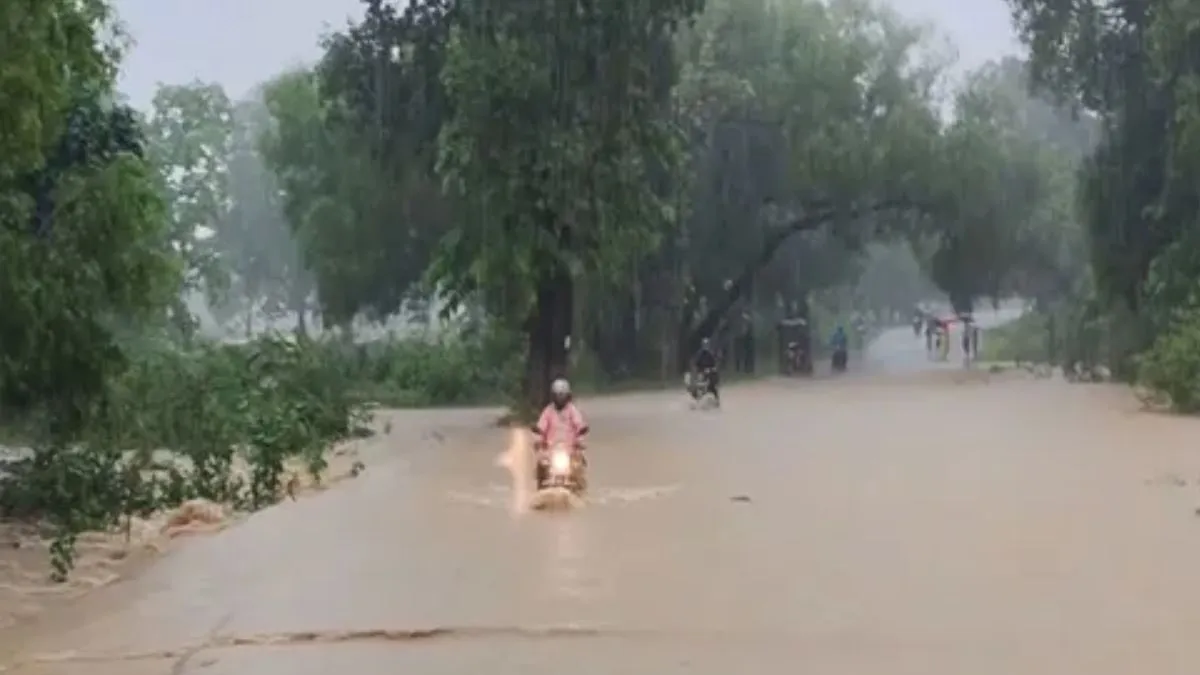
Monsoon Devastation Sweeps Across India: Assam, Kerala, and Chhattisgarh Face Severe Crisis
The Indian monsoon season has taken a catastrophic turn this week, with heavy, unrelenting rainfall triggering widespread destruction across three key states. From the flood-prone river basins of Assam to the landslide-vulnerable terrain of Kerala and the flash-flood zones of Chhattisgarh, the human and infrastructural toll is mounting rapidly. Authorities are currently engaged in large-scale rescue and relief operations, though weather conditions continue to hamper access to the most isolated communities.
The situation remains fluid as disaster management teams struggle to reach submerged villages and landslide-hit settlements. While the immediate focus remains on search and rescue operations, the secondary impacts of these weather events—ranging from the total loss of standing crops to the destruction of critical rural infrastructure—are already beginning to emerge as a major concern for the agricultural sector and regional economic stability.
Assam’s Persistent Flooding and the Human Toll
Assam continues to bear the brunt of the monsoon’s fury, with the state’s death toll climbing to 85. The flooding, driven by the overflow of the Brahmaputra and its tributaries, has displaced hundreds of thousands of people, many of whom have sought shelter in makeshift relief camps. The scale of the inundation has submerged vast tracts of fertile land, effectively halting all agricultural activities in the affected districts.
The hydrological profile of the region suggests that the prolonged waterlogging will have long-term consequences for soil health and future planting cycles. As the floodwaters recede, the primary challenge for the state will be the remediation of silt-covered farmlands and the restoration of irrigation networks that have been compromised by the heavy silting and embankment breaches.
Landslides and Flash Floods: The Crisis in Kerala and Chhattisgarh
In the southern state of Kerala, the geography of the Western Ghats has turned treacherous. With eight confirmed deaths and eight individuals still reported missing, search operations are being conducted under extreme duress due to the threat of further landslides. The intense precipitation has destabilized hilly terrains, washing away roads and isolating remote farming communities that depend on plantation crops such as rubber, spices, and tea.
Meanwhile, in Chhattisgarh, the impact has been more localized but equally severe. The destruction of 16 houses in a single event highlights the vulnerability of rural residential infrastructure to sudden flash floods. Unlike the sustained riverine flooding in the northeast, these flash events leave very little time for evacuation, resulting in significant loss of livestock and household assets. The sudden nature of these floods often catches farmers off guard, leaving them with minimal time to secure their equipment or move livestock to higher ground.
What This Means for Farmers
The current monsoon crisis serves as a harsh reminder of the increasing volatility of seasonal weather patterns. For the farming community, the implications of these events are multifaceted and require immediate strategic attention:
- Crop Loss and Input Recovery: For many, the current season’s output is severely compromised. Farmers are advised to document all damages meticulously, including photographic evidence of submerged fields and destroyed infrastructure, to facilitate potential insurance claims or government relief assistance.
- Soil Management Post-Flood: Once the water recedes, soil testing will be critical. Floodwaters often deposit heavy layers of silt and debris, which can alter soil pH and nutrient composition. Farmers should consult with regional agricultural extension officers before attempting to re-sow to ensure the soil has been properly cleared of pathogens and contaminants.
- Livestock Safety and Health: Flood-affected areas are high-risk zones for waterborne diseases such as foot-and-mouth disease or various parasitic infections. It is imperative to prioritize the vaccination of livestock and ensure that animals are moved to sanitized, dry shelters with access to clean, uncontaminated feed.
- Infrastructure Resilience: These events underscore the urgent need for improved on-farm drainage systems and the strengthening of small-scale protective embankments. In the long term, integrating climate-resilient crop varieties—those capable of withstanding brief periods of submergence—should be a priority for regional agricultural planning.
As the monsoon continues, farmers are urged to stay connected with local weather advisories and disaster management updates. The path to recovery will be long, but proactive management of post-flood risks can help mitigate some of the most severe economic impacts on the agricultural backbone of these states.


