Severe Weather Alert: Gujarat Braces for Prolonged Heavy Rainfall Through August 2
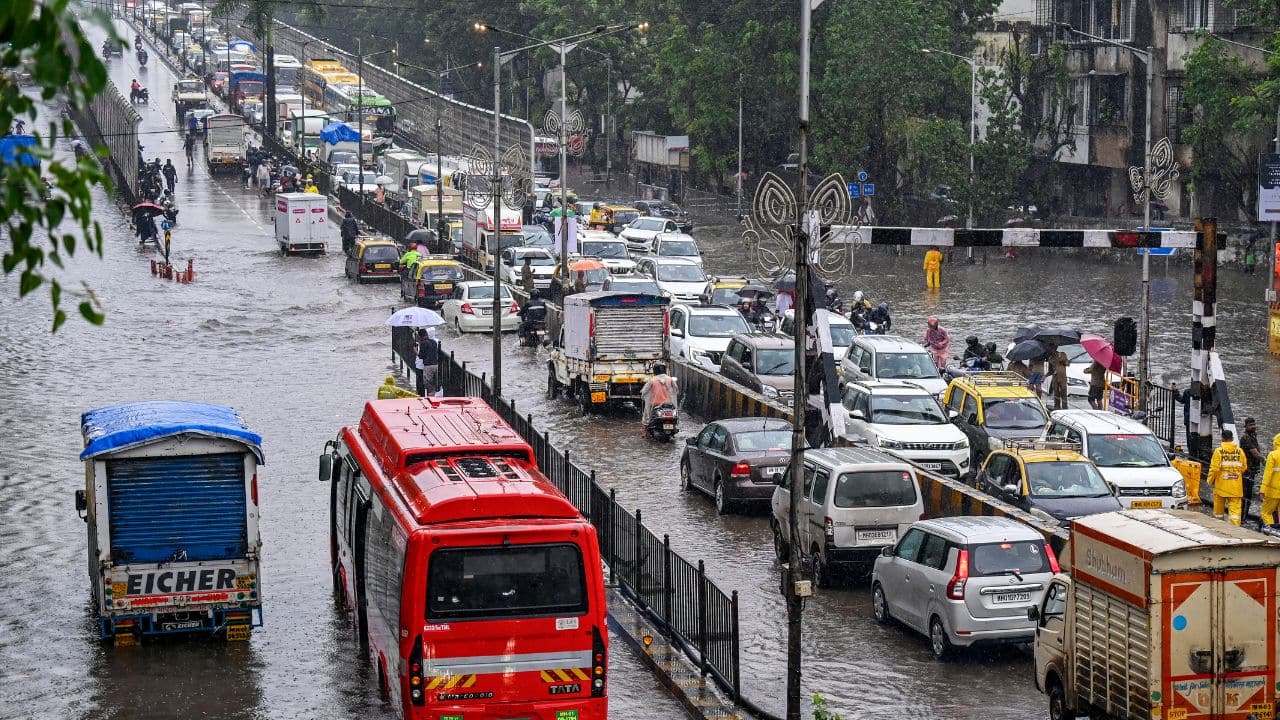
The India Meteorological Department (IMD) has issued a high-level red alert for Gujarat as a significant weather system moves across the region, bringing the prospect of extremely heavy rainfall, thunderstorms, and gusty winds. The advisory, which remains in effect through August 2, highlights an urgent need for preparedness across the state, particularly in low-lying areas and agricultural zones that are already saturated from the current monsoon season.
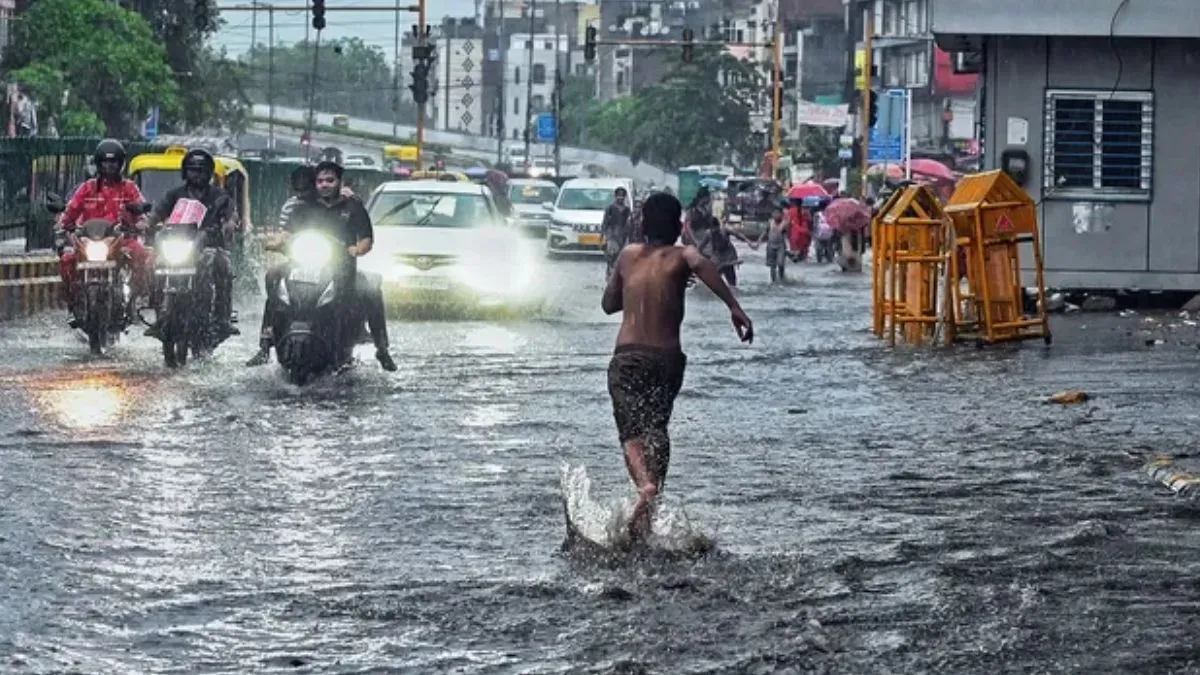
Meteorological data suggests that a combination of a low-pressure area and active monsoon troughs is driving these intense weather patterns. While the city of Ahmedabad and surrounding districts are currently under intense scrutiny, the IMD has signaled that the impact will be widespread, affecting multiple regions across the state. Farmers and local authorities have been urged to monitor real-time updates as the situation develops, given the potential for rapid water accumulation and the risk of localized flooding.
Understanding the Meteorological Drivers
The current weather volatility is attributed to a combination of atmospheric instability and moisture-laden winds originating from the Arabian Sea. The IMD’s red alert signifies the highest level of caution, indicating that "extremely heavy rainfall"—often defined as exceeding 200mm within a 24-hour period—is highly probable in specific zones. This intensity is compounded by gusty winds that can reach speeds capable of damaging standing crops and infrastructure.
The forecast through August 2 indicates that the rainfall will not be uniform, but rather concentrated in pulses of high-intensity downpours. These episodic events are particularly dangerous for rural landscapes, where drainage systems may be overwhelmed. The combination of sustained wind and deluge creates a high risk of lodging in cereal crops and damage to delicate horticultural produce. Furthermore, the persistent cloud cover and humidity levels are expected to remain high, creating an environment that could facilitate the rapid spread of fungal diseases in crops if field drainage is not managed proactively.
Managing Field Operations Under Extreme Conditions
For the agricultural community in Gujarat, the next 96 hours represent a critical window for protective action. The IMD’s advisory serves as a warning for farmers to prioritize the safety of livestock, equipment, and stored harvests. In many parts of the region, the Kharif season is in a sensitive stage of growth, making the timing of this deluge particularly challenging for crop health.
Agronomists emphasize that in areas expecting heavy rainfall, the immediate priority must be the maintenance of field drainage channels. Ensuring that water can exit the field efficiently is the most effective way to prevent root rot and nutrient leaching. Additionally, farmers are advised to avoid the application of fertilizers or pesticides during this period, as the high probability of runoff will render these inputs ineffective and contribute to environmental contamination in local water bodies.
What This Means for Farmers
The red alert issued by the IMD carries significant economic and operational implications for the farming community. To mitigate potential losses, farmers should consider the following actionable strategies over the coming days:
- Prioritize Drainage: Clear all debris and obstructions from field drains and irrigation canals. If fields are prone to waterlogging, ensure that trenches are dug to divert excess water away from the root zones of sensitive crops.
- Secure Infrastructure: Inspect temporary structures, greenhouses, and livestock shelters. Reinforce these areas against gusty winds, as structural failure during a storm can lead to significant asset loss.
- Monitor for Pest and Disease: Post-rainfall, the humidity will create a prime environment for pests and fungal outbreaks. Plan for a post-storm scouting mission to inspect fields for early signs of blight, wilt, or pest infestation, and prepare to consult with local agricultural extension officers for appropriate intervention.
- Livestock Safety: Move livestock to higher ground or secure, well-ventilated indoor areas. Ensure that fodder and feed stocks are kept in elevated, moisture-proof locations to prevent spoilage.
- Economic Caution: Given the volatility of the weather, avoid harvesting operations until conditions stabilize. Harvesting during or immediately after heavy rain can lead to significant post-harvest losses, including grain sprouting and mold development.
As the weather situation remains dynamic, farmers are encouraged to rely on official channels such as the IMD’s regional updates and local district agricultural offices for the most accurate and localized information. Staying informed and proactive is the best defense against the unpredictable nature of monsoon extremes.