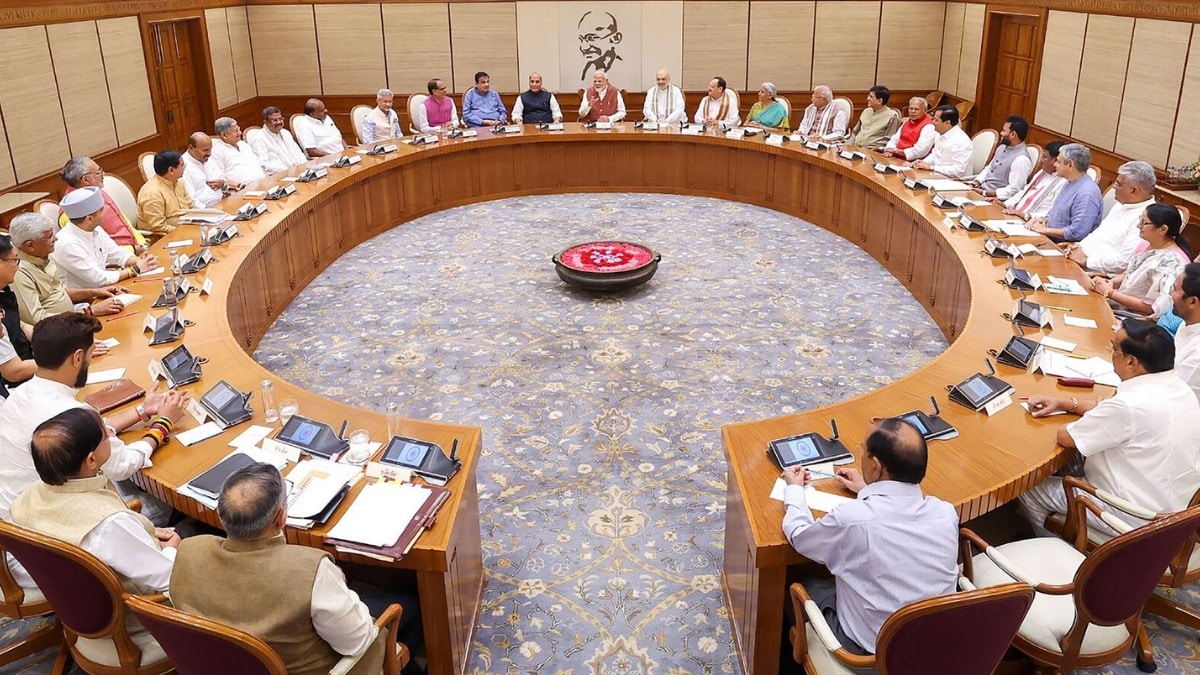
Following recent organizational changes within the Bharatiya Janata Party (BJP), discussions regarding a potential Modi 3.0 cabinet reshuffle have emerged. According to reports from NDTV, the party is currently evaluating a significant restructuring of its ministerial lineup, with as many as 12 berths under consideration for change.
Strategic Drivers Behind the Cabinet Rejig
The potential reshuffle is being framed within a broader strategic context. Sources cited by NDTV indicate that several key variables are influencing the decision-making process for the cabinet reorganization. These factors are aimed at balancing current governance requirements with the party's long-term political objectives.
The primary considerations identified in the report include:
- Age Factors: Evaluating the age profile of current ministers to ensure a balance of experience and vitality within the cabinet.
- New Alliances: Accommodating partners within the coalition framework to ensure stable governance and political cohesion.
- State-Level Electoral Interests: Preparing for upcoming political challenges in key states, specifically mentioning Uttar Pradesh and Punjab.
Planning for Future Electoral Cycles
Beyond immediate governance and state-level electoral considerations, the report highlights that the current exercise is part of a forward-looking strategy. According to NDTV, the leadership is not only focusing on the present term but is also actively working with the 2029 Lok Sabha contest in mind.
This suggests that the potential changes are intended to streamline the government and bolster the party's positioning well in advance of future national elections. By aligning the cabinet structure with long-term goals, the party aims to maintain its momentum and address potential political vulnerabilities discovered in recent assessments.
Context of the Organizational Changes
This potential cabinet reshuffle follows recent organizational adjustments made within the BJP. These internal party changes often serve as a precursor to broader government-level shifts, as the party seeks to synchronize its organizational strength with its administrative performance.
While the report specifies that 12 berths are currently being discussed, the final execution of this reshuffle remains subject to the party's internal deliberations and the evolving political landscape. The focus remains on optimizing the Modi 3.0 administration to meet the demands of both governance and the political requirements of the states and the nation at large.
As the situation develops, observers are tracking how these factors—ranging from demographic shifts in leadership to the strategic management of coalition partners—will ultimately reshape the composition of the Union Cabinet.