Navigating the UPSC Landscape: A Deep Dive into Key Current Affairs
The journey toward cracking the Union Public Service Commission (UPSC) Prelims is a marathon, not a sprint. As aspirants look toward the 2027 examination cycle, the necessity of maintaining a disciplined, consistent approach to current affairs cannot be overstated. The latest weekly review, covering the period of July 5 through July 11, serves as a crucial barometer for candidates, highlighting the intersection of global diplomacy, historical preservation, and meteorological phenomena that often form the bedrock of the UPSC syllabus.
This week’s topical focus underscores the breadth of knowledge required by the commission. From the architectural significance of the Prambanan Temple complex to the strategic advancements in India’s maritime capabilities under Project 17A, the current affairs landscape demands a synthesis of history, technology, and international relations. By engaging with these themes through rigorous quizzing, aspirants can better understand how seemingly disparate events coalesce into the complex geopolitical and environmental realities of the modern era.
Geopolitics and Maritime Strategy: India’s Expanding Horizon
A primary focus of this week’s assessment is the evolution of India’s strategic partnerships and internal defense modernization. The discussion surrounding India-New Zealand relations highlights the shifting dynamics of the Indo-Pacific region. As New Zealand recalibrates its foreign policy within a highly contested geopolitical space, India’s engagement with Wellington serves as a critical pillar for regional stability and economic integration. Understanding the nuance of these diplomatic channels is essential for aspirants aiming to master the International Relations section of the General Studies Paper II.
Parallel to these diplomatic efforts is the technical prowess displayed in Project 17A. This initiative, which focuses on the construction of advanced stealth frigates, represents a significant leap in India’s indigenous shipbuilding capabilities. For UPSC candidates, this is not merely a matter of naval engineering; it is a case study in the "Atmanirbhar Bharat" (Self-Reliant India) initiative. The project illustrates how domestic defense manufacturing is being leveraged to project power and secure maritime interests in the Indian Ocean Region, providing a clear example of how technological development directly informs national security policy.
Environmental Science and Cultural Heritage
Beyond the realm of policy, the weekly review places a spotlight on the environmental and cultural factors that shape national and global discourse. The influence of El Niño remains a perennial topic for the Prelims, particularly given its profound impact on agricultural productivity, monsoon patterns, and global food security. A deep understanding of the teleconnections between oceanic warming and atmospheric circulation is vital for any candidate tackling the Geography and Environment modules. El Niño is not just a meteorological event; it is a socioeconomic disruptor that tests the resilience of agrarian economies.
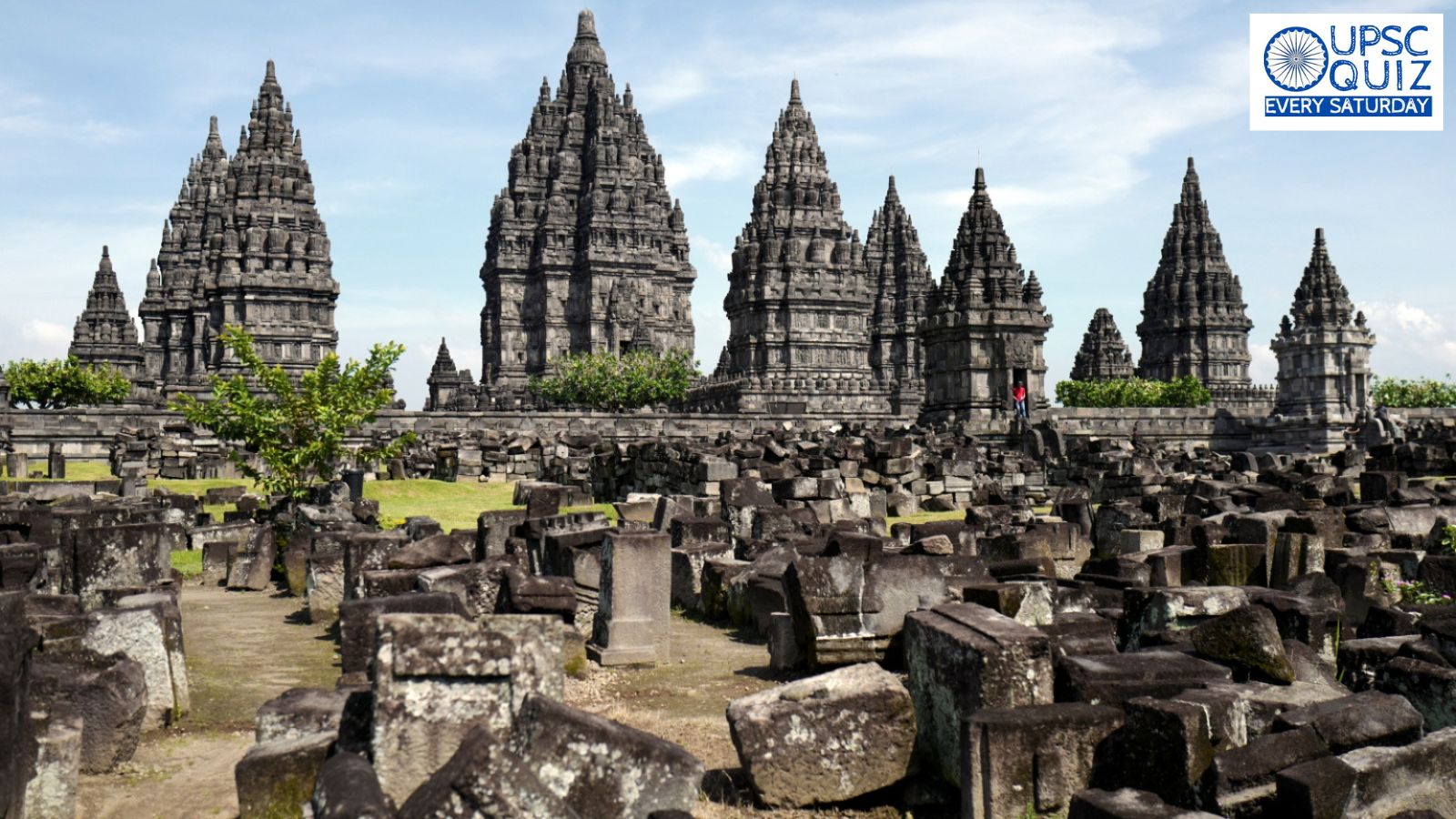
Complementing this focus on the natural world is the cultural significance of the Prambanan Temple complex. As a UNESCO World Heritage site, it serves as a testament to the historical cultural ties between India and Southeast Asia. UPSC often utilizes such topics to test a candidate's grasp of art, architecture, and the spread of religious philosophies across ancient trade routes. Furthermore, the inclusion of the Coller-Dolittle Prize in this week’s curriculum serves as a reminder that the commission keeps a watchful eye on global intellectual and scientific contributions, necessitating a broad-based approach to news consumption.
What This Means for Farmers
While the UPSC curriculum is designed for civil service aspirants, the underlying themes—particularly regarding El Niño and international trade—carry significant weight for the agricultural community. The cyclical nature of El Niño is the single most critical factor in predicting rainfall patterns, which directly dictates the success or failure of the Kharif and Rabi seasons. For farmers, understanding these broader meteorological trends is no longer an academic exercise; it is a prerequisite for risk management.
The diplomatic focus on trade relations, such as those between India and New Zealand, also signals potential shifts in market access for dairy, fruit, and processed agricultural goods. As trade agreements evolve, farmers and agribusinesses must be prepared for increased competition or new export opportunities. Furthermore, the push for indigenous technological advancement—as seen in broader government infrastructure projects—often trickles down into agricultural mechanization and irrigation tech. Farmers who stay informed about these macro-level economic and environmental shifts are better positioned to adopt resilient farming practices, diversify their crop cycles, and navigate the volatile global market with greater foresight and strategic planning.