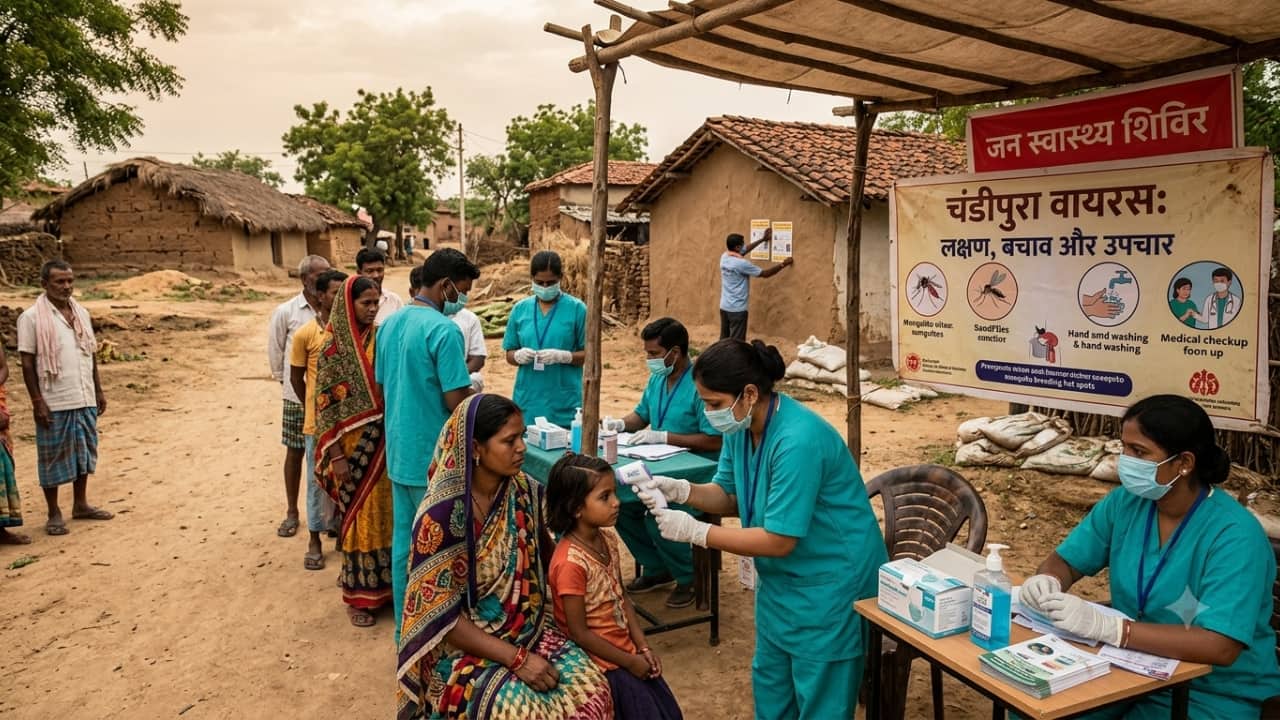
Understanding the Chandipura Virus: A Growing Public Health Concern in Rural Landscapes
Recent reports of Chandipura virus (CHPV) outbreaks across regions in Gujarat and Rajasthan have triggered significant concern among rural communities and public health officials. As a rare but virulent pathogen, Chandipura virus represents a complex challenge for agricultural families who often live in close proximity to the vectors that facilitate its transmission. While medical experts emphasize that the virus primarily affects pediatric populations, its rapid onset and the current lack of a preventative vaccine necessitate a heightened state of awareness and improved vector management practices in rural households.
The Biology and Transmission of Chandipura Virus
The Chandipura virus belongs to the Rhabdoviridae family, the same viral family responsible for rabies. It is a zoonotic disease, meaning it is transmitted from animals to humans, primarily through the bite of infected vectors such as sandflies, mosquitoes, and certain species of ticks. In rural environments, these vectors often thrive in the cracks of mud walls, livestock enclosures, and areas with high humidity and organic waste.
Neurologists and infectious disease specialists have noted that the virus is particularly aggressive due to its ability to affect the central nervous system. Once the virus enters the bloodstream, it can cause rapid inflammation of the brain, known as encephalitis. Because the disease progresses with extreme speed, the window for medical intervention is remarkably narrow. Clinical symptoms often begin with a sudden onset of high fever, followed by neurological manifestations such as convulsions, altered mental status, and, in severe cases, a rapid descent into a comatose state. The absence of a specific vaccine or targeted antiviral treatment makes early detection and supportive care the only current defense against mortality.
Mitigating Risks Through Environmental Management
Given the lack of pharmacological countermeasures, the primary strategy for managing the Chandipura virus centers on integrated vector control. The environmental conditions often found in agricultural settings—specifically those involving livestock housing—can inadvertently provide ideal breeding grounds for sandflies and other biting insects.
Experts suggest that rural communities focus on structural hygiene to break the lifecycle of the virus-carrying vectors. This includes regular maintenance of mud-plastered walls, which should be kept smooth and free of deep crevices where flies hide. Furthermore, maintaining distance between livestock shelters and human living quarters can significantly reduce the risk of vector-borne transmission. Simple household interventions, such as the use of bed nets, the application of insect repellents, and ensuring proper drainage around the home to prevent stagnant water, are critical frontline defenses. Public health authorities are currently urging families to seek immediate medical attention if a child presents with a sudden, high-grade fever accompanied by neurological symptoms, as rapid hospitalization for supportive care is essential for improving survival outcomes.
What This Means for Farmers
For the farming community, the emergence of the Chandipura virus underscores the vital importance of "One Health" practices—the recognition that human health is deeply connected to the health of animals and the surrounding environment. The economic and social burden of such an outbreak on a farming family can be devastating, given the rapid progression of the illness and the intensive care required.
- Prioritize Household Hygiene: Regularly inspect and repair cracks in mud-walled structures. Sandflies are known to inhabit these gaps during the day.
- Livestock Management: Keep animal pens clean and, where possible, ensure they are ventilated and located at a reasonable distance from sleeping areas. Removal of organic waste and manure is essential to discourage insect breeding.
- Vigilance and Rapid Response: Do not dismiss sudden, severe fevers in children as common seasonal illnesses. If a child exhibits symptoms such as vomiting, lethargy, or twitching, transport them to the nearest healthcare facility immediately.
- Community Education: Share information about the virus with neighbors and local community groups. Early awareness is the most effective tool in preventing the spread of the virus within a village or district.
- Personal Protection: Encourage the use of long-sleeved clothing and mosquito nets, particularly during the evening and early morning hours when vector activity is at its peak.
While the Chandipura virus remains rare, its potential severity makes it an issue that agricultural families must monitor with vigilance. By focusing on environmental cleanliness and strict vector control, farmers can significantly reduce the risk of exposure and protect the most vulnerable members of their community.