Gujarat’s First Air-Filled Rubber Dam: A Flexible New Approach to Water Storage and Irrigation
In a significant shift toward modernizing irrigation infrastructure, the state of Gujarat is pioneering the deployment of air-filled rubber dams. This innovative technology is currently taking shape at two strategic locations: the Heran River near Rajvasana village in the Bodeli taluka of Chhota Udepur district, and the Ambika River near Pathakwadi village in the Tapi district. These projects represent a departure from traditional concrete and steel barrage designs, offering a flexible, resilient, and cost-effective solution to water management challenges in the region.
The Mechanics of Pneumatic Water Retention
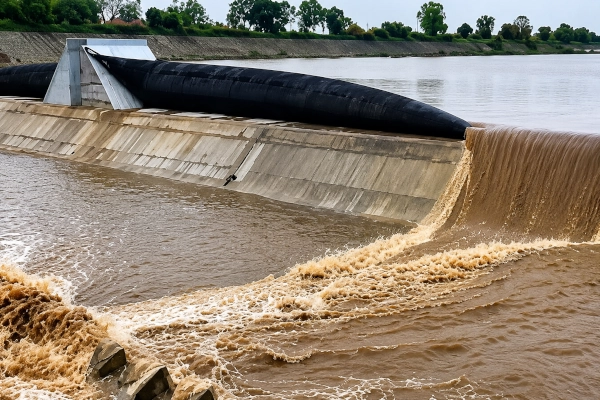
At the heart of these projects is the rubber dam technology, which utilizes a high-strength, flexible rubber-coated fabric membrane anchored to a concrete foundation. Unlike conventional dams that remain static, these structures are inflated using compressed air to create a physical barrier across the river channel. When the river flow is high or during flood conditions, the dam can be rapidly deflated, allowing water, sediment, and debris to pass downstream without obstruction. This dynamic capability is particularly advantageous for rivers that experience significant seasonal fluctuations in water volume.
The engineering behind these rubber dams focuses on durability and environmental adaptability. The specialized materials used are designed to withstand extreme weather conditions, ultraviolet radiation, and the abrasive nature of riverbeds. By providing a retractable barrier, these dams effectively turn a natural river channel into a reservoir during lean months, while maintaining the river’s natural flow dynamics during the monsoon season. This adaptability reduces the risk of upstream flooding and silting—common pitfalls associated with traditional fixed-barrage infrastructure.
Strategic Implementation in Gujarat’s Irrigation Landscape
The selection of the Heran and Ambika rivers for these pilot projects reflects a broader strategic initiative to optimize water storage in areas where conventional damming might be environmentally invasive or prohibitively expensive. In regions like Chhota Udepur and Tapi, where agricultural productivity is heavily dependent on the timely availability of water for rabi and summer crops, these dams offer a targeted solution for localized irrigation.
Beyond the primary goal of water storage, the deployment of inflatable dams minimizes the environmental footprint often associated with large-scale hydraulic engineering. Because the structure is relatively low-profile and does not require massive abutments or permanent concrete walls across the entire floodplain, it maintains better connectivity for aquatic life. Furthermore, the installation process for rubber dams is significantly faster than traditional methods, allowing for quicker commissioning and a more immediate return on investment for the state’s agricultural sector.
What This Means for Farmers
For the farming communities surrounding Rajvasana and Pathakwadi, the introduction of this technology carries several tangible benefits:
- Increased Water Security: By raising the water level during the post-monsoon period, these dams ensure that irrigation canals and local pumps remain functional for a longer duration, extending the window for crop cultivation.
- Groundwater Recharge: The impoundment of water behind the inflated dam facilitates greater percolation into the soil. This helps in raising the local water table, which directly benefits farmers reliant on borewells and open wells for their irrigation needs.
- Reduced Operational Costs: With a more reliable water supply, farmers can reduce their dependency on expensive water-hauling methods or inefficient irrigation practices. The consistency of water availability helps in planning crop rotations more effectively, potentially increasing the yield of water-intensive crops.
- Flood Mitigation: The ability to deflate the dam during heavy rains provides a safety valve for local farmers. By preventing the backup of floodwaters that often causes damage to riverside crops, the technology adds a layer of climate resilience to the region’s agricultural output.
As these projects move toward operational status, agricultural extension services and local irrigation departments are expected to work closely with the farming community to manage water distribution effectively. If the performance of these inflatable dams meets expectations, they could set a new standard for localized, flexible water management across other river basins in India, marking a transition toward more agile and sustainable agricultural infrastructure.