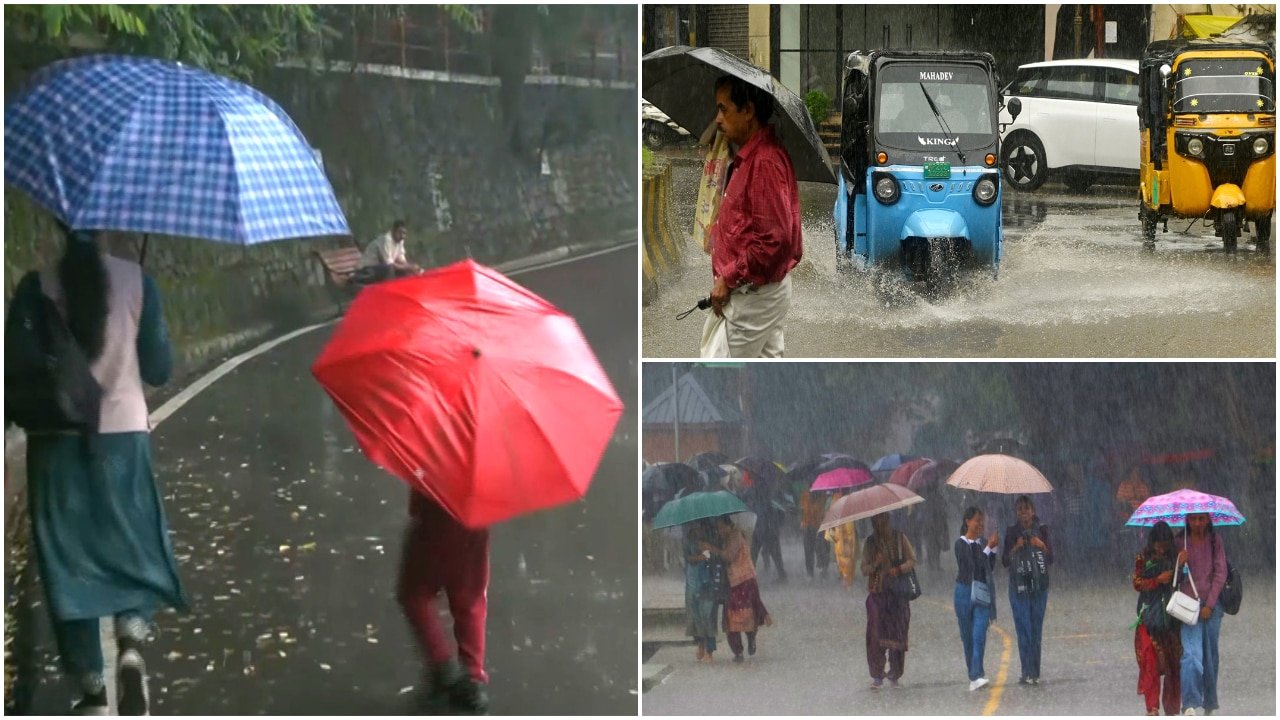
IMD Issues Yellow Alert as Heavy Rainfall Expected Across Gujarat
The India Meteorological Department (IMD) has officially placed several districts of Gujarat under a yellow alert, signaling the anticipation of heavy rainfall over the next 48 hours. The meteorological forecast indicates that a combination of atmospheric instability and moisture influx will likely trigger significant precipitation across diverse regions of the state. While the warning is categorized as a yellow alert—suggesting that residents and agricultural stakeholders should remain updated and prepared—the potential for localized heavy downpours necessitates immediate attention from the farming community.
According to the latest bulletin, the weather system is expected to bring light to moderate rainfall, frequently accompanied by thunderstorms and gusty winds, to a wide swathe of the state. This weather pattern poses both risks and potential relief for the agricultural landscape, depending heavily on the specific crop growth stages and the current moisture levels of the soil in the affected districts.
Geographic Scope and Meteorological Outlook
The yellow alert covers a geographically diverse range of districts, highlighting the widespread nature of this incoming weather event. The IMD has specifically identified Banaskantha, Vav-Tharad, Sabarkantha, Aravalli, Dahod, and Mahisagar as areas of particular interest in the northern and central regions. Additionally, the southern districts of Dang, Tapi, Navsari, and Valsad, along with the Union Territories of Daman, Dadra, and Nagar Haveli, are expected to experience similar conditions.
Meteorologists note that the presence of gusty winds alongside rainfall is a critical factor. These winds can increase the risk of lodging in standing crops, particularly in areas where plants have reached significant height or are currently in a delicate stage of grain filling. The combination of saturated soil and high-velocity winds can leave crops vulnerable to physical damage, making the next 48 hours a period of heightened monitoring for field-level weather conditions.
Managing Agronomic Risks During Unseasonal Rainfall
The sudden shift in weather patterns requires a calculated response from agricultural managers. While rain is often welcomed in the arid or semi-arid pockets of Gujarat, excess moisture at the wrong time can facilitate the spread of fungal pathogens and pests. In districts like Banaskantha and Sabarkantha, where soil moisture management is vital for the health of standing crops, farmers are advised to ensure that field drainage systems are clear to prevent waterlogging.
Waterlogging in fields can lead to root rot and nutrient leaching, which can significantly hinder crop yields and quality. Beyond the immediate risk to the soil, the predicted thunderstorms present a localized threat to farm infrastructure. Securing harvested produce that may be stored in open yards is an essential precaution. Ensuring that irrigation equipment, particularly electrical pumps and exposed wiring, is properly shielded from gusty winds and rain will help prevent equipment failure and safety hazards during the storm period.
What This Means for Farmers
For the farming community, this yellow alert serves as a timely reminder of the importance of proactive risk management. The following steps are recommended to mitigate the impact of the predicted heavy rain:
- Prioritize Field Drainage: Check and clear all drainage channels within and around fields to prevent the accumulation of stagnant water, which can cause root zone suffocation.
- Secure Harvested Yields: If harvesting is currently underway, ensure that produce is moved to covered, elevated, and well-ventilated storage areas to avoid moisture-related spoilage and fungal growth.
- Monitor for Pests and Disease: High humidity and moisture levels following rainfall often create ideal conditions for pest outbreaks. Conduct routine field scouting in the days following the rain to identify early signs of fungal infections or insect activity.
- Infrastructure Safety: Inspect farm structures and machinery. Ensure that temporary shelters are reinforced against gusty winds and that electrical connections are protected from moisture to prevent short circuits.
- Stay Informed: Weather conditions can shift rapidly. Farmers are encouraged to monitor local weather updates and advisories provided by the IMD and state agricultural departments to make informed decisions regarding field operations over the next two days.
By taking these precautionary measures, farmers can minimize the potential for economic loss and ensure that their operations remain resilient against the volatility of the upcoming 48-hour weather window.