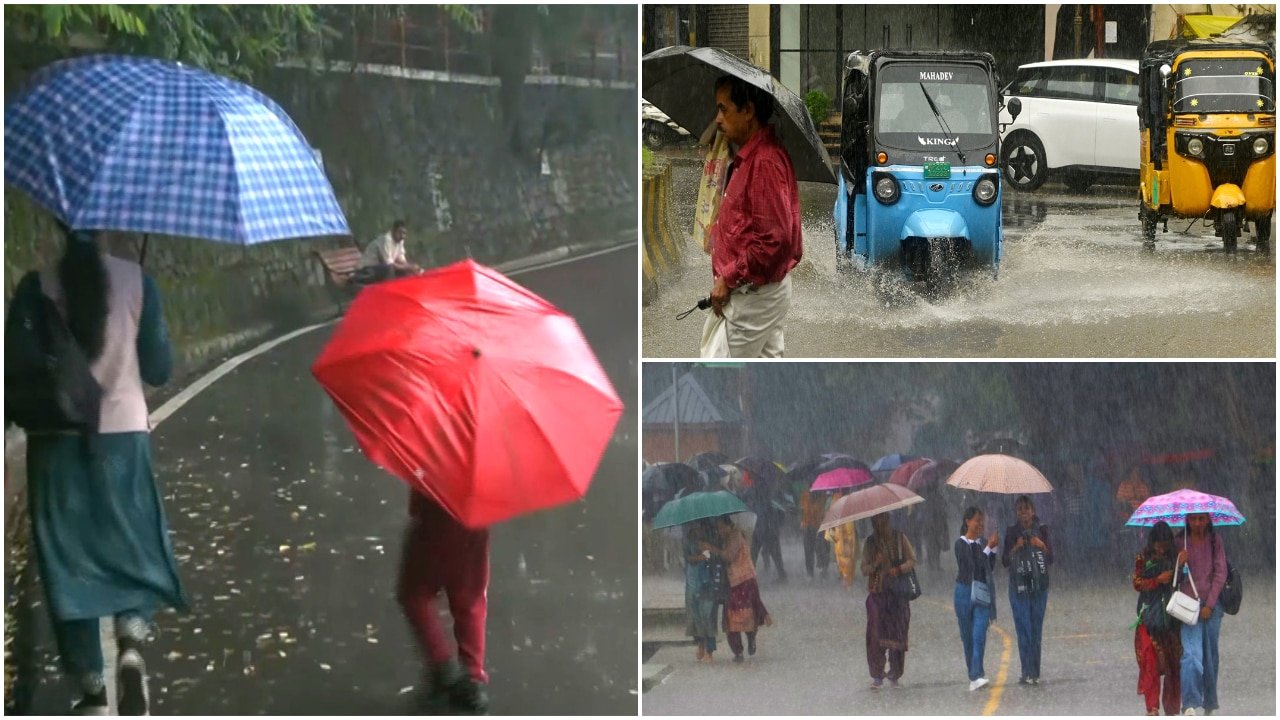
Monsoon Revival: Widespread Rainfall Expected Across Northwest India Mid-August
Agricultural operations across Delhi, Haryana, and Chandigarh are bracing for a significant shift in weather patterns as meteorological models indicate a period of widespread rainfall starting August 14. After a period of inconsistent precipitation that has kept many farmers on edge regarding soil moisture levels, the monsoon trough is shifting into a more favorable position, promising to deliver a much-needed boost to the region’s hydrological profile.
Weather authorities have signaled that the combination of synoptic conditions and moisture influx from the Arabian Sea and the Bay of Bengal will likely intensify monsoon activity. For the plains of Northwest India, this transition is critical, as it marks a potential turning point for crops currently in active vegetative growth stages. The forecast suggests that the rainfall will not be isolated but rather widespread, covering significant agricultural belts that have been awaiting consistent precipitation to support the ongoing Kharif season.
Synoptic Conditions Driving the Precipitation Shift
The anticipated rainfall is driven by the movement of the monsoon trough, which has been oscillating north and south over the past several weeks. As the trough moves toward the foothills of the Himalayas, it creates a conducive environment for moisture-laden winds to interact with local topography, triggering convective activity over the plains. This phenomenon is expected to bring moderate to heavy showers, particularly across Haryana and the National Capital Region, extending through August 15.
Meteorological experts emphasize that this shift is essential for sustaining the monsoon’s overall performance. While parts of Northwest India have seen sporadic showers, the upcoming spell is expected to be more uniform, helping to replenish groundwater levels and surface water reservoirs. The cooling effect associated with this widespread rainfall is also expected to modulate temperatures, which have been fluctuating, thereby reducing the heat stress on sensitive standing crops.
Agronomic Considerations for the Kharif Season
For the farming community, the timing of this rainfall is particularly significant. Across Haryana and surrounding areas, the paddy crop is at a stage where water requirements are peak. Consistent moisture is vital for the tillering phase and early panicle development. Excessive dry spells during this window can lead to stunted growth and reduced grain filling, which ultimately impacts yield potential at the end of the season.
Beyond paddy, other crops such as maize, pulses, and cotton are also highly sensitive to the current weather window. While moisture is welcome, farmers must remain vigilant regarding field drainage. In areas prone to waterlogging, particularly in low-lying tracts of Haryana, the intensity of the rainfall will dictate the need for proactive water management. Ensuring that field channels are clear and that excess water can be diverted will be paramount to preventing root rot or soil aeration issues in fields that receive heavy downpours.
What This Means for Farmers
The impending rainfall brings both opportunities and operational challenges that require immediate attention from producers in the region:
- Optimizing Nutrient Management: With soil moisture levels set to increase, this is an ideal window for top-dressing fertilizers. However, farmers should avoid applying nitrogenous fertilizers immediately before heavy spells to prevent nutrient leaching, which can occur if the soil reaches saturation point rapidly.
- Water Harvesting and Storage: For farmers with access to farm ponds or rainwater harvesting structures, this period is a vital opportunity to maximize storage. Capturing runoff now can provide a critical buffer against potential dry spells later in the monsoon season, reducing the long-term reliance on groundwater pumping.
- Disease and Pest Monitoring: High humidity and increased moisture levels create an ideal microclimate for fungal pathogens and certain pest populations. Farmers are advised to conduct regular field scouting once the rain subsides. Keeping a close eye on leaf-spot diseases and sucking pests will be essential to protecting the crop canopy.
- Field Drainage Preparation: In regions where heavy rainfall is predicted, ensure that drainage outlets are unobstructed. Prevention of water stagnation is the most effective way to protect crop health during high-intensity monsoon events.
- Economic Outlook: The widespread nature of this rainfall is expected to stabilize local market sentiments regarding crop health. A successful mid-August rainfall spell is generally viewed as a positive indicator for overall Kharif production, which helps in maintaining price stability for essential commodities as the harvest season approaches.
As the weather shifts, producers are encouraged to stay updated with localized district-level forecasts. While the general outlook for Delhi, Haryana, and Chandigarh is positive, localized variations in intensity are common during this time of year, and adaptive management remains the farmer's most effective tool.