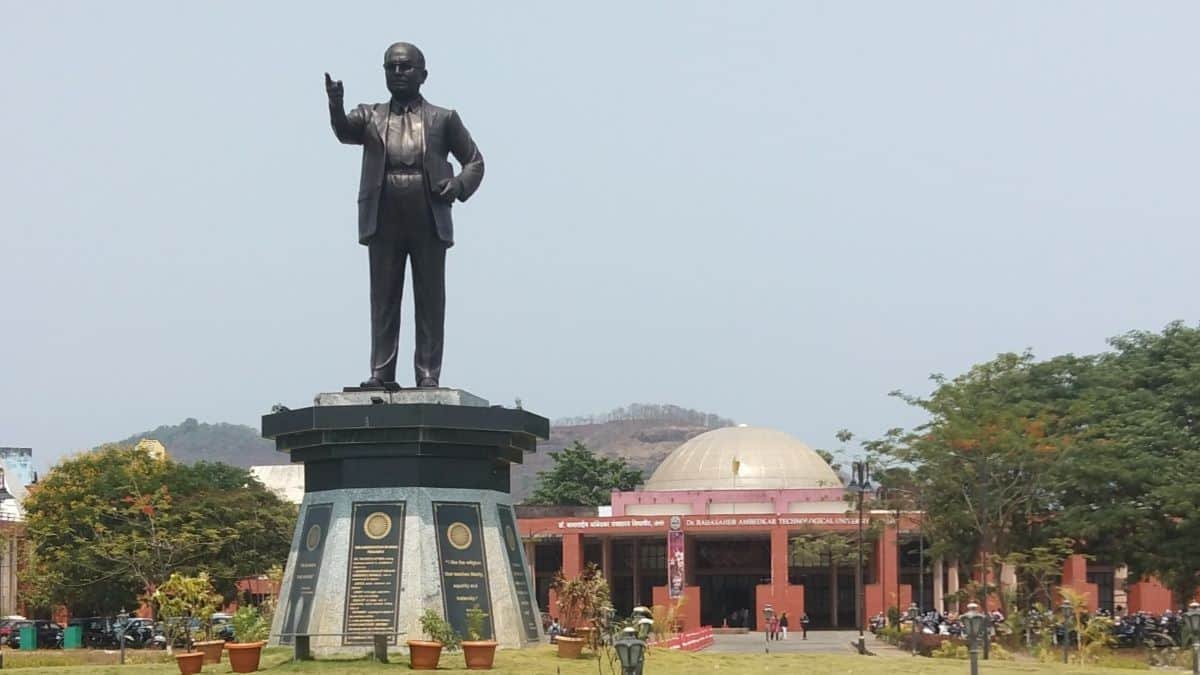
Administrative Gridlock: The Growing Crisis Facing BATU Graduates
For thousands of students graduating from Dr. Babasaheb Ambedkar Technological University (BATU) in Maharashtra, the transition from academic life to the professional workforce has hit a significant, systemic roadblock. Reports indicate that a growing number of BTech and pharmacy graduates are experiencing multi-year delays in receiving their final marksheets and degrees. This administrative backlog, which has left high-performing students unable to secure employment or pursue higher education, is being attributed to a combination of severe staffing shortages and ongoing policy-related bottlenecks within the university’s governance framework.
As the state’s premier technological university, BATU is mandated to oversee the academic standards and certification processes for a vast network of affiliated engineering and pharmacy colleges. However, the current inability to issue timely credentials has sparked widespread concern among students, parents, and industry stakeholders. While the university continues to function as a hub for academic research, the failure to execute essential administrative duties has created a disconnect between the institution’s scholarly output and its fundamental responsibility to certify its graduates.
The Roots of the Administrative Stagnation
At the heart of the current crisis lies an acute shortage of non-teaching and administrative personnel. University operations, particularly the processing of examination results and the subsequent printing and distribution of official marksheets, rely on a robust administrative infrastructure. According to internal reports, several key departments responsible for student records have seen a steady decline in staff numbers due to recruitment freezes and retirement cycles that have not been adequately addressed by new hiring initiatives.
This personnel deficit is compounded by shifting policy frameworks and the complexities of digitizing legacy student records. As the university attempts to modernize its examination and certification systems, the transition period has been marred by procedural delays. These bottlenecks mean that even when examination results are finalized, the formal verification and issuance of physical marksheets remain trapped in a cycle of bureaucratic review. Consequently, students find themselves in a state of limbo, holding provisional results that are often insufficient for meeting the strict documentation requirements of multinational corporations, government recruitment boards, or international university admissions departments.
Research Continuity Amidst Institutional Challenges
Perhaps the most striking paradox of the situation at BATU is the resilience of its academic and research divisions. Faculty members and researchers continue to produce significant work in fields ranging from advanced materials science and pharmaceutical development to sustainable engineering. Despite the administrative turmoil, the university’s core mission of fostering innovation remains intact. Teachers and researchers have expressed frustration that the institutional reputation—which is bolstered by their scholarly achievements—is being undermined by the failure of the administrative wing to fulfill basic clerical obligations.
The persistence of research output suggests that the university’s academic leadership remains focused on long-term technological advancement. However, critics argue that this focus has come at the expense of student-facing services. Without a concerted effort to bridge the gap between research excellence and administrative efficiency, the university risks alienating its most important stakeholders: the students who represent the future of Maharashtra’s technical and pharmaceutical sectors.
What This Means for Farmers and the Rural Economy
While the crisis at BATU may appear to be a purely urban or academic issue, its ripple effects are felt deeply within the rural and agricultural economies of Maharashtra. Many students attending affiliated colleges hail from farming families who have invested significant portions of their annual harvest income into their children’s professional education. For these families, a degree in engineering or pharmacy is often viewed as a vital pathway to diversifying household income and ensuring long-term financial security.
When graduates are forced to wait years for their marksheets, the economic consequences are direct and severe:
- Delayed Workforce Entry: The inability to present a final degree prevents graduates from securing formal employment. This keeps families dependent on agricultural income for longer than anticipated, putting additional strain on farm household budgets.
- Missed Opportunities in Agrotech: With the rise of precision agriculture and rural infrastructure development, there is a growing need for local engineering and pharmacy talent. Administrative delays prevent these graduates from stepping into roles that could modernize rural irrigation, crop storage, and local health services.
- Reduced Return on Investment: The financial burden of tuition fees, exacerbated by inflation, is only justified if the graduate can quickly transition into a wage-earning career. Prolonged delays effectively lower the return on investment for rural families, discouraging future generations from pursuing advanced technical education.
For the farming community, the demand is clear: the university must prioritize the normalization of administrative services. Ensuring that graduates can enter the job market promptly is not just a matter of institutional efficiency—it is a critical necessity for the economic stability of the rural families who rely on these degrees to break the cycle of traditional agricultural dependence.